Pepper is a core economic spice crop in my country's tropical and subtropical regions, mainly produced in Hainan, Guangdong, and Guangxi, possessing both edible and medicinal value. Piperine is the core active and characteristic flavor substance in fresh pepper fruit, and a key indicator for evaluating pepper quality and determining the added value of its processed products. It is widely used in food flavoring, food preservation, pharmaceuticals, and daily chemical additives. Compared to dried pepper fruit, fresh pepper fruit has a higher water content, intact cell walls, and more complete retention of active substances. However, it also has higher levels of impurities such as water, pectin, and sugars. Direct extraction of piperine presents challenges such as low extraction rate, high impurity content, difficult purification, and easy oxidation and degradation. Therefore, optimizing the piperine extraction process for fresh pepper fruit is a core industrial technology link to improve the utilization rate of pepper deep processing, reduce production costs, and ensure product quality stability. It is also a key research and application direction in the current pepper deep processing industry.
I. Constraints of Fresh Pepper Fruit Characteristics on Extraction Process
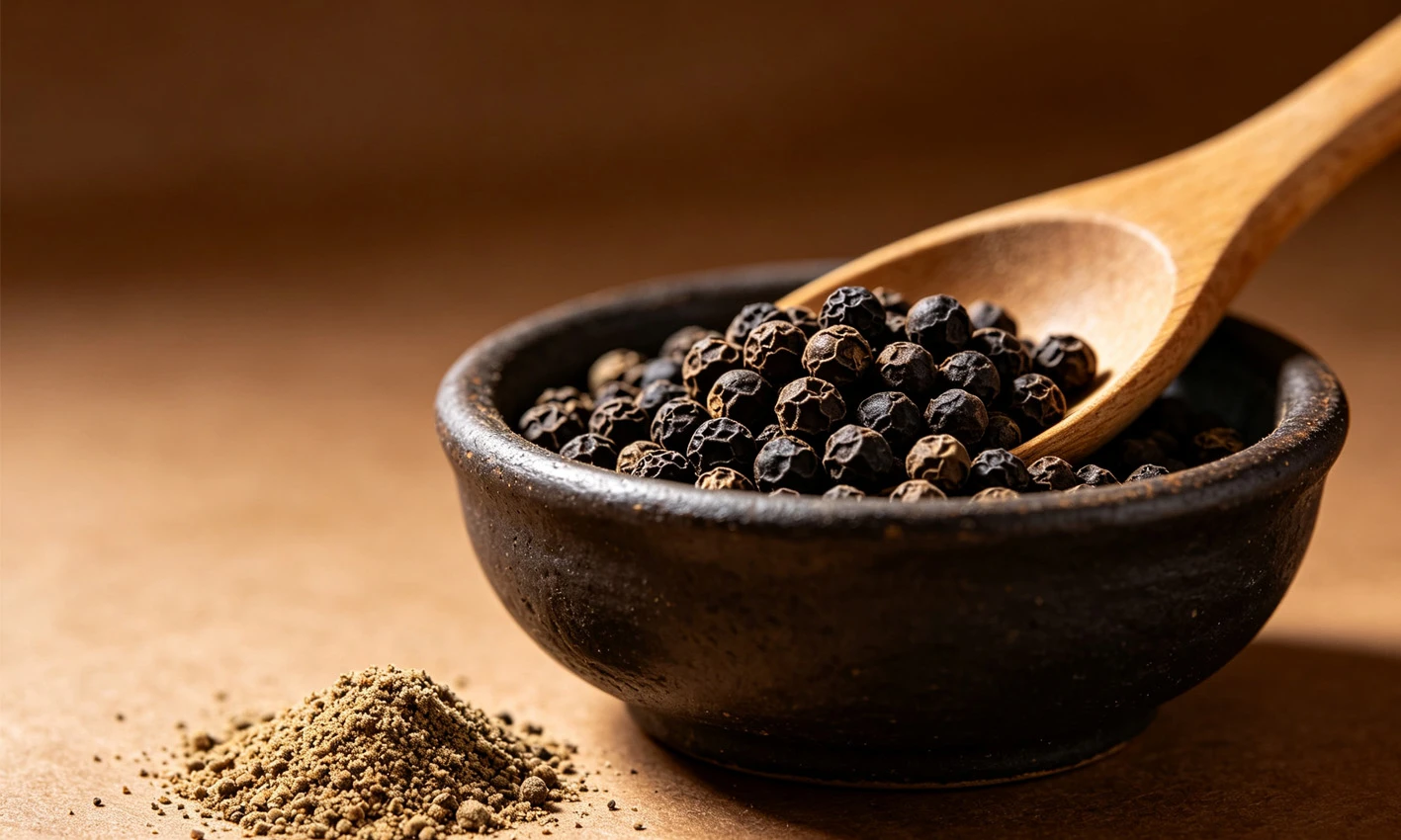
Fresh pepper fruits typically have a moisture content of 65%–75% after harvesting. The pulp is rich in pectin, soluble sugars, organic acids, and other water-soluble impurities. The cell walls of the pericarp and pulp are dense, and piperine is mainly encapsulated in the thin-walled cells of the pericarp and seed coat. Furthermore, the presence of polyphenol oxidase and peroxidase in fresh fruit easily leads to browning of the raw material and loss of piperine activity during extraction. In traditional processing methods, the industry often uses a method of drying the fresh fruit before extraction. However, high-temperature drying causes some piperine to decompose thermally, and the drying process also easily leads to mold growth and flavor loss, significantly reducing the utilization rate of the raw material.
In addition, piperine is a fat-soluble alkaloid, slightly soluble in water, readily soluble in organic solvents such as ethanol, methanol, and acetone, but insoluble in petroleum ether. These physicochemical properties determine that pure water extraction cannot achieve efficient alkaloid extraction. Direct extraction of fresh fruit with conventional organic solvents will simultaneously dissolve a large amount of water-soluble impurities, causing a surge in the load on subsequent filtration, concentration, and purification processes, making it difficult to meet the purity standards of the finished product. These raw material characteristics are the core pain points that must be specifically optimized in the piperine extraction process from fresh pepper fruits.
II. Analysis of Mainstream Piperine Extraction Processes and Their Advantages and Disadvantages
Currently, domestic pepper deep-processing enterprises mainly use traditional solvent extraction and reflux extraction methods for piperine extraction from fresh pepper fruits. Small and medium-sized enterprises still mainly use extensive processes, while large-scale enterprises are gradually promoting new green processes such as ultrasound-assisted extraction and supercritical CO₂ extraction. The industrial applicability of various processes varies significantly.
(I) Traditional Solvent Extraction Method
This process is a basic and common process in the industry. The operation involves washing, crushing, and pulping fresh pepper fruits, adding an organic solvent for extraction at room temperature, filtering, concentrating under reduced pressure, and drying the crude product to obtain crude piperine extract. Ethanol is a commonly used industrial solvent. Compared to methanol and acetone, ethanol has lower toxicity, easier residue removal, and is suitable for the production of food and pharmaceutical grade products. This process has low equipment thresholds, low investment, and simple operation, making it suitable for mass production in small workshops and small enterprises. However, its shortcomings are quite prominent: the extraction time at room temperature is as long as 12-24 hours, resulting in extremely low production efficiency; after the fresh fruit is crushed, a large amount of pectin and sugars dissolve, leading to high turbidity of the extract and severe impurity contamination, with a piperine extraction rate of only 65%-72%; the solvent consumption is large and losses are high, resulting in high production costs, and prolonged soaking easily leads to oxidation of the active ingredients, resulting in poor product color and stability.
(II) Ethanol Reflux Extraction Method Reflux extraction is an improved process of traditional immersion extraction and is a commonly used basic process in laboratories and standardized factories. Using 80%-95% ethanol as the extraction solvent, the liquid-to-solid ratio is controlled at 15:1-25:1, and reflux extraction is performed at a constant temperature of 70-85℃ 1-2 times, 1.5-2 hours each time. The filtrates are combined, concentrated under reduced pressure, impurities are removed, and recrystallized to obtain the finished piperine product. This process improves solvent penetration through heating and reflux, increasing the extraction rate to 75%-80% compared to room temperature immersion extraction, reducing impurity content, and improving process stability. The core drawbacks of this process are high heat loss and high energy consumption. Prolonged high-temperature reflux causes a small amount of piperine to thermally decompose. Furthermore, due to the high moisture content of fresh fruit, no specific pretreatment for impurity removal is performed, resulting in low purity of the crude extract. Subsequent purification processes are cumbersome and cannot meet the production requirements for high-purity pharmaceutical-grade piperine.
(III) Ultrasonic-Assisted Extraction Process
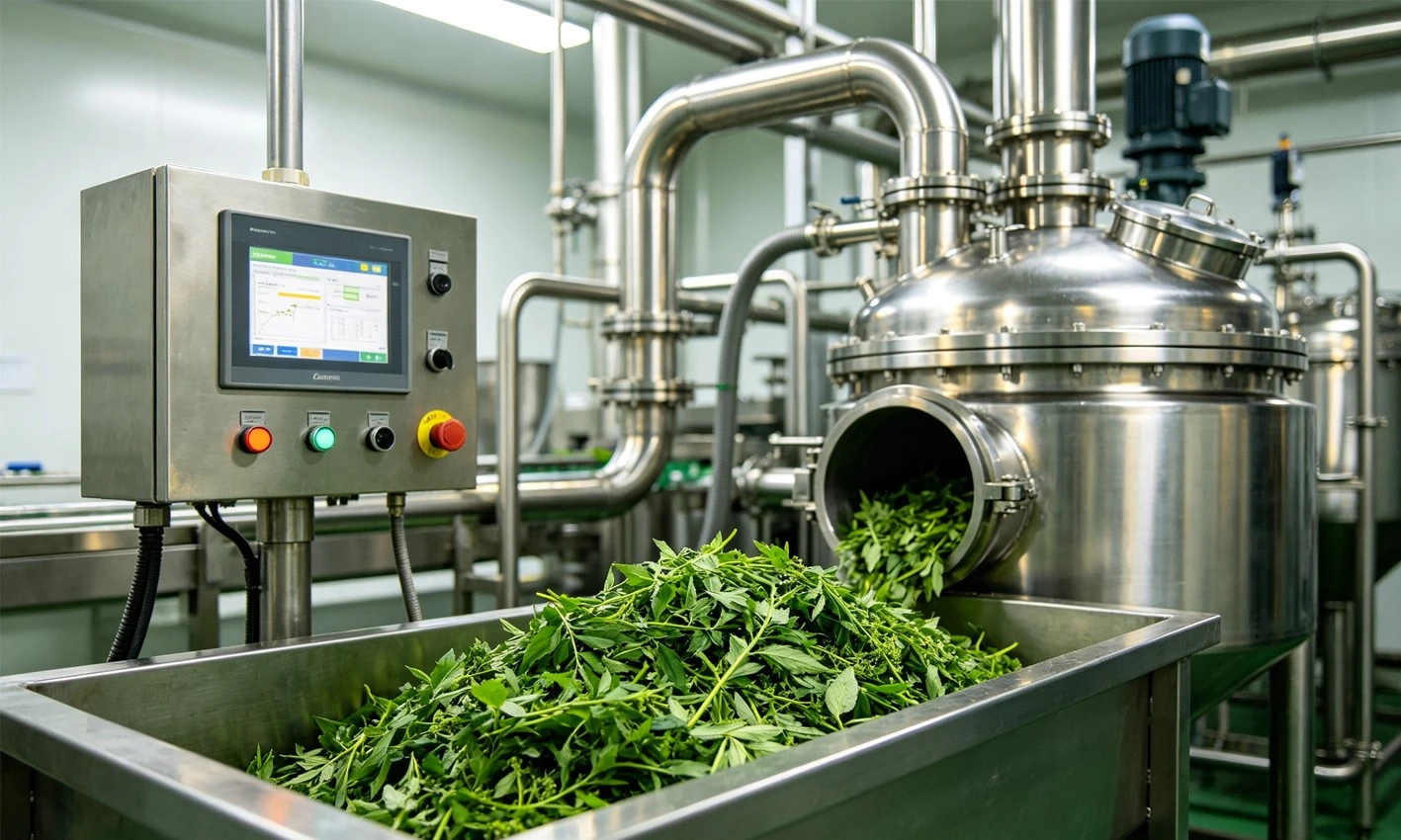
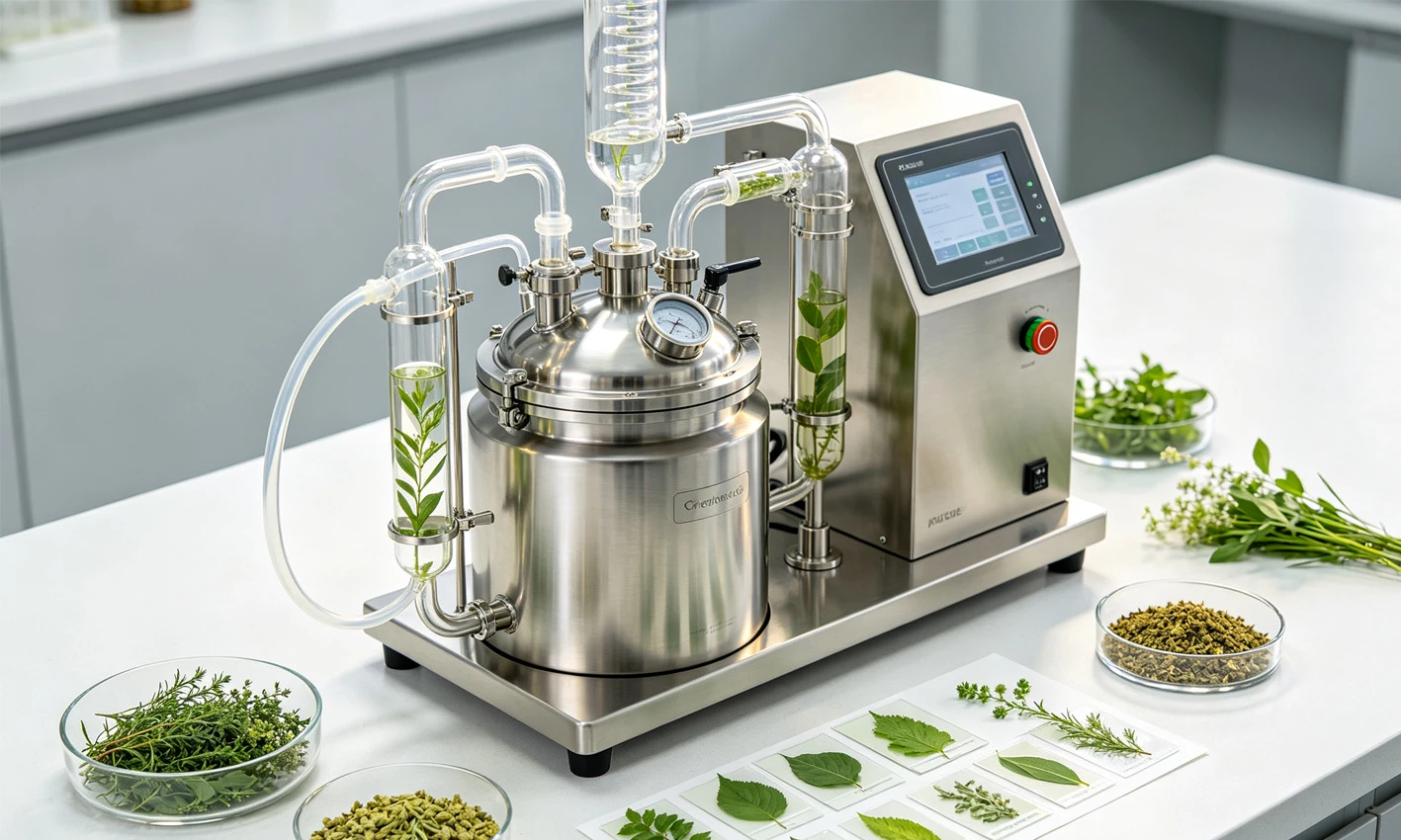
Ultrasonic-assisted extraction is currently the mainstream industrial process for optimizing the extraction of piperine from fresh fruit. Utilizing the cavitation and mechanical vibration effects of ultrasound, it rapidly breaks down the cell walls of fresh pepper fruit, accelerating the dissolution of intracellular piperine, significantly shortening extraction time and improving extraction efficiency. Industry optimization test data shows that ethanol concentration, liquid-to-solid ratio, and ultrasonic time are the three core key factors affecting the extraction rate, followed by ultrasonic power and extraction temperature.
The optimal industrial parameters after Plackett-Burman and Box-Behnken response surface methodology optimization are: 80% ethanol as the extraction solvent, liquid-to-solid ratio of 20:1, ultrasonic extraction for 60 min, ultrasonic power of 300 W, and extraction temperature of 50℃. Under these parameters, the average extraction rate of piperine from fresh pepper fruit can reach over 88%, and the extraction time is shortened by more than 50% compared to the reflux process. The low-temperature ultrasonic environment effectively avoids the thermal decomposition of piperine, resulting in a clear product with low impurity content. This process has moderate equipment investment, controllable energy consumption, and is green and safe, suitable for large-scale continuous production, and is currently the most cost-effective optimized process in the industry.
(IV) Supercritical CO₂ Extraction Process
This process belongs to high-end green extraction technology, using supercritical CO₂ as the extraction medium. There is no organic solvent residue, making it suitable for the production of high-purity, food-grade and pharmaceutical-grade piperine. The industry's optimal process parameters are: extraction pressure 30MPa, extraction temperature 60℃, CO₂ flow rate 20L/h, and ethanol entrainer dosage 1:0.5 (w/v). Under these conditions, the piperine extraction rate can reach 90%~92%, and the purity of the finished product can stably reach over 98% after simple recrystallization, meeting the legal standards of the 2020 edition of the Pharmacopoeia of the People's Republic of China. The biggest advantages of this process are no solvent residue, high product purity, no damage to active ingredients, and cleanliness and environmental friendliness; however, its disadvantages include high equipment cost, high operating cost, and difficult equipment maintenance. It is only suitable for high-end, refined product production and cannot be widely adopted for low- to mid-range large-scale production, limiting its industrial applicability.
(V) Novel Green Solvent-Assisted Extraction Process In recent years, aqueous two-phase extraction using natural eutectic solvents (NADES) has become an emerging research direction in the industry. Replacing traditional organic solvents with low-toxicity green solvents such as choline chloride-urea and choline chloride-citric acid, combined with ultrasound-assisted technology, can further improve the dissolution efficiency of piperine while significantly reducing impurity dissolution. This process has an extraction rate close to that of supercritical extraction, and the solvent can be recycled, making it more environmentally friendly. However, it is currently still in the experimental and promotion stage, and the industrial supporting processes are not yet mature, so large-scale mass production application has not yet been achieved.
III. Core Optimization Dimensions of Piperine Extraction Process (Key Points for Industrial Practice)
(I) Raw Material Pretreatment Optimization
Given the high moisture content, high pectin content, and easy browning characteristics of fresh pepper, pretreatment is a key pre-process for improving the extraction rate and reducing impurities. In industry practice, the traditional whole-fruit drying method has been abandoned, and a pretreatment process of "fresh fruit washing - low-temperature precooling - light crushing - pasteurization enzyme inactivation" is adopted. This effectively inactivates polyphenol oxidase and avoids browning of raw materials. Simultaneously, light crushing replaces excessive pulping, breaking down cell walls to promote the dissolution of active ingredients while reducing the excessive dissolution of pectin and soluble sugars, thus reducing the impurity load of the extract from the source and simplifying subsequent purification processes.
(II) Precise Control of Extraction Parameters
Regarding solvent concentration, too low an ethanol concentration cannot fully dissolve the fat-soluble piperine, while too high a concentration will significantly increase the dissolution of sugars, pigments, and other impurities. 80% ethanol is the optimal concentration for fresh fruit extraction, balancing dissolution efficiency and impurity removal. A liquid-to-solid ratio that is too small will lead to insufficient solvent penetration and incomplete extraction, while a ratio that is too large will result in solvent waste and increased energy consumption for concentration. A 20:1 liquid-to-solid ratio is the optimal balance point between cost and efficiency. Regarding extraction time and temperature, fresh fruit extraction should follow the principle of low temperature and short extraction time. Ultrasonic extraction can reach the dissolution peak in 60 minutes; further extending the time will lead to impurity accumulation and slight oxidation of active ingredients. Low-temperature extraction at around 50℃ can avoid the thermal degradation of piperine, and compared with high-temperature reflux, the activity retention of the finished product is improved by more than 10%.
(III) Optimization of Impurity Removal and Purification Processes Impurity removal from the crude extract is the core step in improving the purity of the finished product. The mainstream optimization solution in the industry is: the extract is first allowed to stand at low temperature for flocculation to remove large molecular impurities such as pectin and protein, and then it is precisely filtered through a plate filter, combined with static adsorption purification using macroporous adsorption resin, which can effectively separate pigments, water-soluble impurities, and piperine. After purification, the concentrated liquid is subjected to low-temperature recrystallization treatment, and the purity of the piperine finished product can be increased from about 80% of the crude extract to more than 98%, meeting the quality standards of various industries.
IV. Industry Process Optimization Development Trends and Industrialization Value Currently, the core direction of process optimization in the pepper deep processing industry has shifted from simply pursuing extraction rate to integrated optimization of "high efficiency, energy saving, green, high purity, and low cost". Traditional, energy-intensive, solvent-depleted, and low-purity processes are gradually being phased out. Ultrasonic-assisted green solvent extraction, supercritical fluid extraction, and automated continuous extraction production lines have become the mainstream upgrade direction in the industry. Simultaneously, the implementation of supporting technologies such as refined pretreatment, intelligent parameter control, and solvent recycling has further reduced industrial production costs.
The industrialization value of process optimization is significant: First, it greatly improves the utilization rate of fresh peppercorns, changing the previous industry predicament of only being able to sell fresh at low prices and suffering high losses during drying and processing, effectively increasing the added value of deep processing of peppercorns; second, it enables graded mass production of piperine products, simultaneously meeting the quality requirements of different scenarios such as ordinary food seasonings, high-end health products, and pharmaceutical raw materials; third, green processes replace traditional high-pollution processes, reducing organic solvent emissions and energy consumption, aligning with green production standards in the food processing industry.
Overall, the optimization of piperine extraction technology from fresh pepper fruit is mainly about matching the characteristics of fresh fruit raw materials and balancing extraction efficiency, product purity, production costs, and environmental protection requirements. In the future, with the popularization of new green extraction technologies and automated equipment, piperine extraction technology will be further upgraded to refinement, intelligence, and greening, promoting the transformation of the pepper deep processing industry from primary processing to high value-added intensive processing.
Shaanxi Lvke Chunyuan Biotechnology Co., Ltd.
Our address
Huaxia Yue World, Weibin District, Baoji City, Shaanxi Province,china
Phone Number
86-13992760792( Grace liu Sales manager )