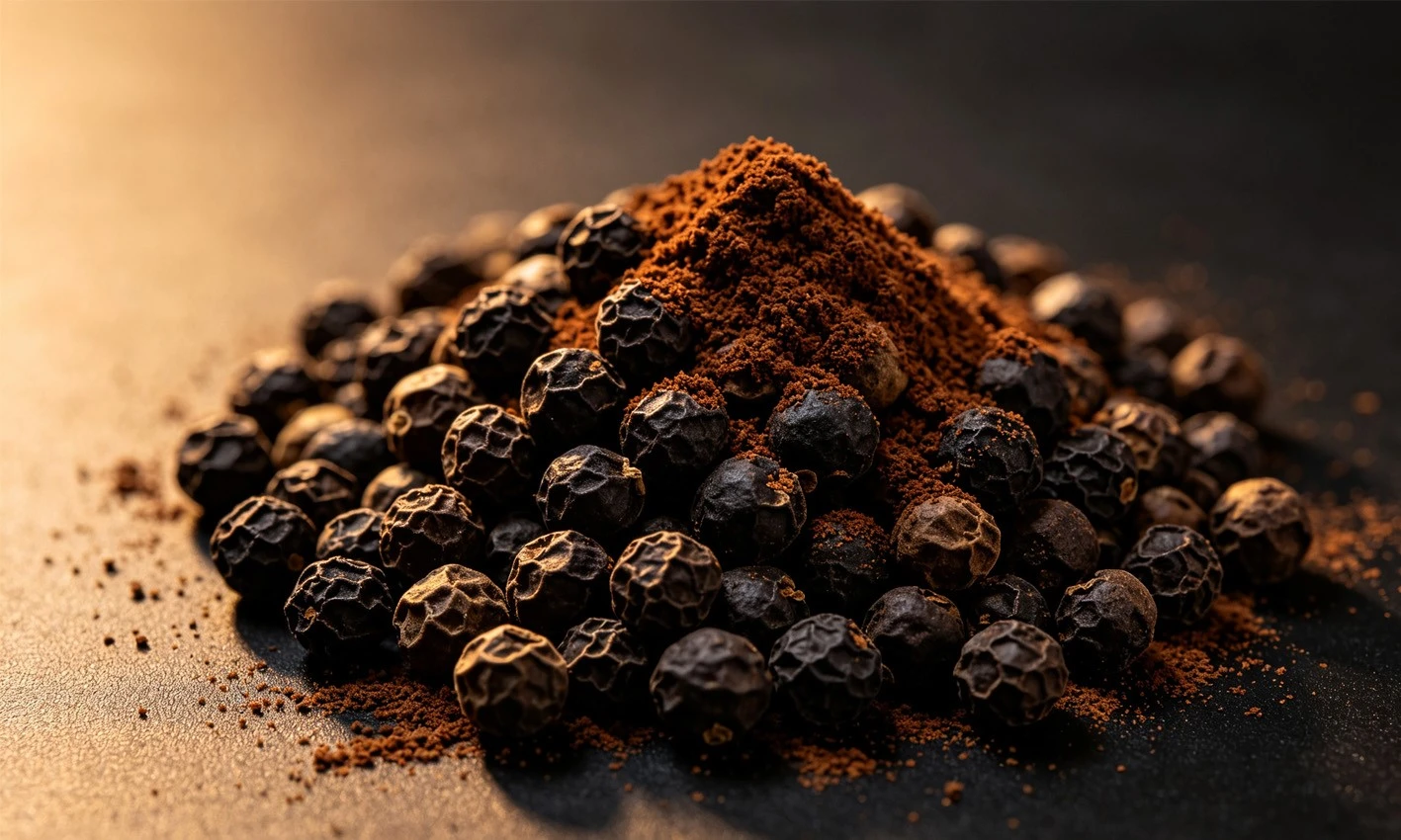
Piperine is the core active piperidine alkaloid found in black pepper, white pepper, and long pepper (all belonging to the Piperaceae family), and is the main source of the pungent flavor of pepper. As a natural plant active ingredient, pipeine, with its unique biological activity, is widely used in food additives, functional health products, pharmaceuticals, and daily chemicals. With the increasingly refined development of the natural extract industry, the market's requirements for the purity, activity retention, and green production of pipeine are continuously rising, driving the continuous iteration and upgrading of its functional mechanism research and extraction and purification processes. Currently, a diversified and mature process system has been formed, including traditional solvent extraction, physical-assisted extraction, and green supercritical extraction.
I. Basic Physicochemical Properties of Piperine
Pure pipeine is a white to pale yellow crystalline powder with a melting point of 130℃. It is physicochemically stable and does not easily decompose at room temperature. Piperine exhibits typical lipid-soluble characteristics, being almost insoluble in cold water. At 18°C, only 40 mg of piperine is soluble in 1 L of water. It is readily soluble in organic solvents such as ethanol, chloroform, acetone, and ether, and also soluble in reagents such as benzene and acetic acid. This characteristic is a core basis for the design of various extraction processes. In industrial production, the differences in piperine's solubility and thermal stability directly determine key process parameters such as solvent selection, extraction temperature, concentration, and purification.
II. Core Functions and Industrial Application Value of Piperine
Based on years of pharmacological research and industrial practice, the multiple biological activities of piperine have been recognized by the industry. Its functions cover multiple dimensions, including health regulation, pharmaceutical adjuvant therapy, and food improvement, making it a category of natural alkaloids with extremely high application value.
(I) Anti-inflammatory, Analgesic, and Antioxidant Functions
Piperine can effectively inhibit the release of inflammatory factors such as tumor necrosis factor and interleukins, blocking inflammatory signal transduction pathways in the body, and has a significant alleviating effect on inflammatory reactions such as arthritis and mucosal inflammation. Simultaneously, it can scavenge free radicals in the body, enhance the activity of antioxidant enzymes such as superoxide dismutase and glutathione peroxidase, reduce cellular oxidative damage, and protect liver cells and nerve cells. It is widely used in anti-inflammatory and repairing health products and daily chemical raw materials. Furthermore, piperine can regulate neurotransmitter release and block pain signal transmission, thus relieving both inflammatory and neuropathic pain.
(II) Metabolic Regulation and Lipid-Lowering and Vascular Protection Functions
Clinical and experimental studies have confirmed that piperine can inhibit intestinal cholesterol absorption, reduce total cholesterol and lipid accumulation in the body, regulate blood lipid metabolism, and improve lipid metabolism disorders. By regulating the expression of intestinal cholesterol transport proteins and reducing lipid micelle solubility, it reduces cholesterol intake from the source. Long-term use can help regulate blood lipids and protect the cardiovascular system, making it one of the core ingredients of lipid-lowering functional foods.
(III) Immunomodulatory and Anti-tumor Activity
Piperine can bidirectionally regulate the body's immune function, enhance the body's non-specific immunity, and strengthen the body's resistance to external stimuli. Meanwhile, multiple pharmacological studies have shown that piperine inhibits the proliferation and migration of various tumor cells, induces tumor cell apoptosis, and has no toxic side effects. It has become a key research raw material for natural anti-tumor adjuvant drugs. Furthermore, it possesses multiple pharmacological activities, including anticonvulsant, anti-ulcer, anti-fatigue, and antidepressant effects, indicating significant potential for pharmaceutical development.
(IV) Bioavailability Enhancement Function
This is a highly distinctive industrial function of piperine. Piperine can regulate the activity of human drug-metabolizing enzymes, reduce the metabolic rate of various active ingredients, and significantly improve the absorption and utilization rate of functional components such as vitamins, flavonoids, and polyphenols. In compound health products and compound pharmaceutical preparations, the addition of trace amounts of piperine can significantly improve the product efficacy conversion rate, making it a commonly used natural synergist in the industry.
III. Mainstream Piperine Extraction and Purification Processes
The core of piperine production processes revolves around four major goals: efficient dissolution, low-loss enrichment, high-purity purification, and environmental friendliness. Currently, large-scale production and laboratory refining in the industry are categorized into three main types: traditional solvent extraction processes, physically-assisted enhancement processes, and green supercritical processes. Each type of process is adapted to different production scenarios and quality requirements.
(I) Anti-inflammatory, Analgesic, and Antioxidant Functions
Piperine can effectively inhibit the release of inflammatory factors such as tumor necrosis factor and interleukins, blocking inflammatory signal transduction pathways in the body, and has a significant alleviating effect on inflammatory reactions such as arthritis and mucosal inflammation. Simultaneously, it can scavenge free radicals in the body, enhance the activity of antioxidant enzymes such as superoxide dismutase and glutathione peroxidase, reduce cellular oxidative damage, and protect liver cells and nerve cells. It is widely used in anti-inflammatory and repairing health products and daily chemical raw materials. Furthermore, piperine can regulate neurotransmitter release and block pain signal transmission, thus relieving both inflammatory and neuropathic pain.
(II) Physically Assisted Enhanced Extraction Processes
To address the low efficiency and low yield of traditional solvent-based processes, the industry is gradually adopting two physically enhanced extraction processes: ultrasound-assisted and microwave-assisted extraction. These processes use physical fields to disrupt plant cell walls, accelerating piperine dissolution and significantly improving extraction efficiency.
Ultrasound-assisted extraction relies on the cavitation effect of ultrasound to break down the cell structure of pepper plants, allowing the solvent to quickly penetrate into the cells and shortening the extraction time. This process can be operated at room temperature, avoiding the loss of piperine activity caused by high temperatures. Compared with the traditional reflux process, the extraction time is shortened by more than 60%, the raw material yield is increased by 10%~15%, and it is simple to operate and has low energy consumption, making it suitable for the production of mid-to-high-end raw materials. Meanwhile, the novel ultrasound-assisted water extraction process can replace harmful organic solvents, achieving green extraction and aligning with the industry's environmental protection development trend.
Microwave-assisted extraction utilizes electromagnetic fields to rapidly raise the temperature, uniformly breaking down cell walls, resulting in a faster extraction rate. A single extraction only takes tens of minutes, and the extraction is highly thorough. However, this process requires high precision in temperature control; high temperatures can easily cause degradation of a small amount of active ingredients. It is mostly used in batch standardized production and requires precise temperature control equipment to ensure product quality.
(III) Supercritical CO₂ Extraction Process
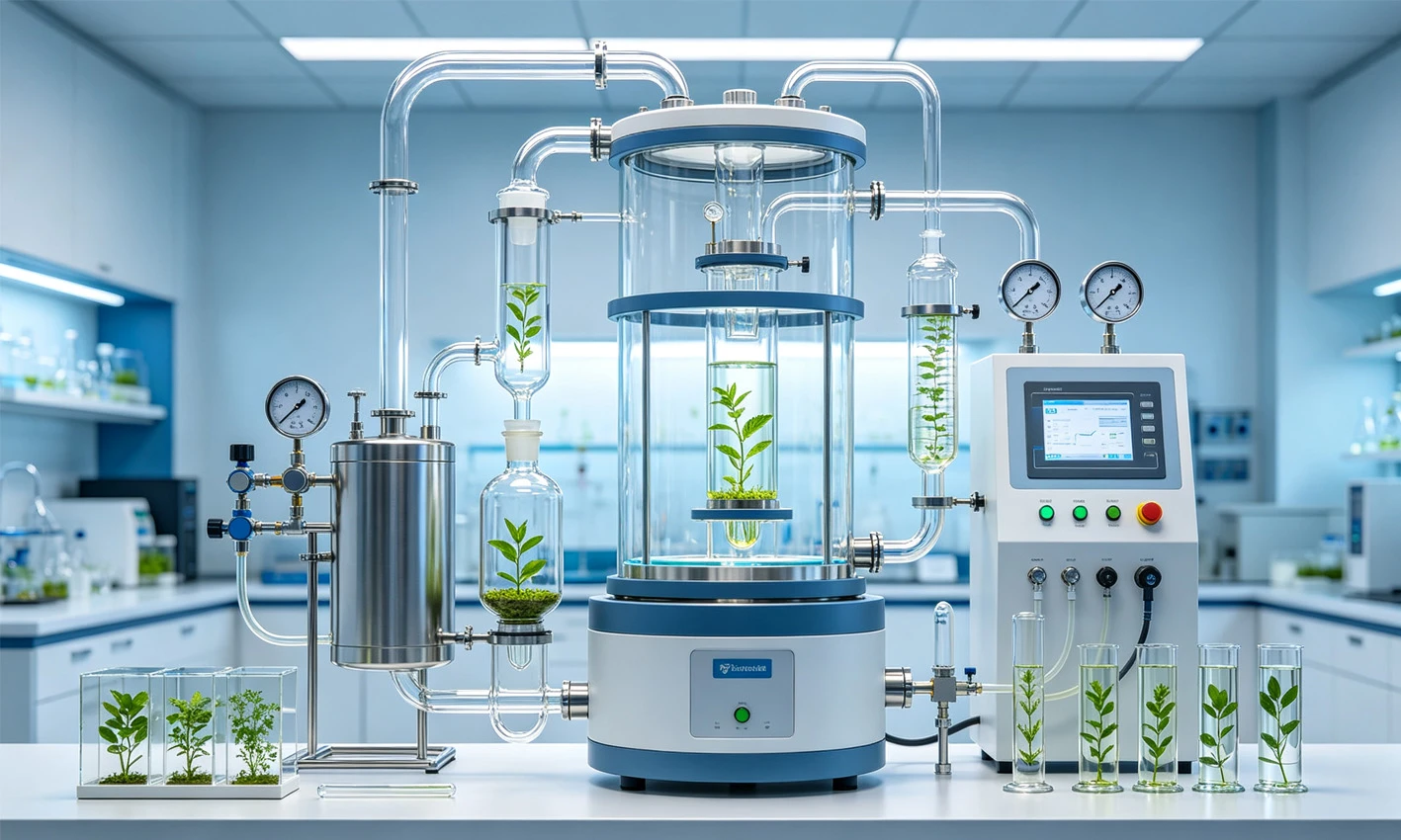
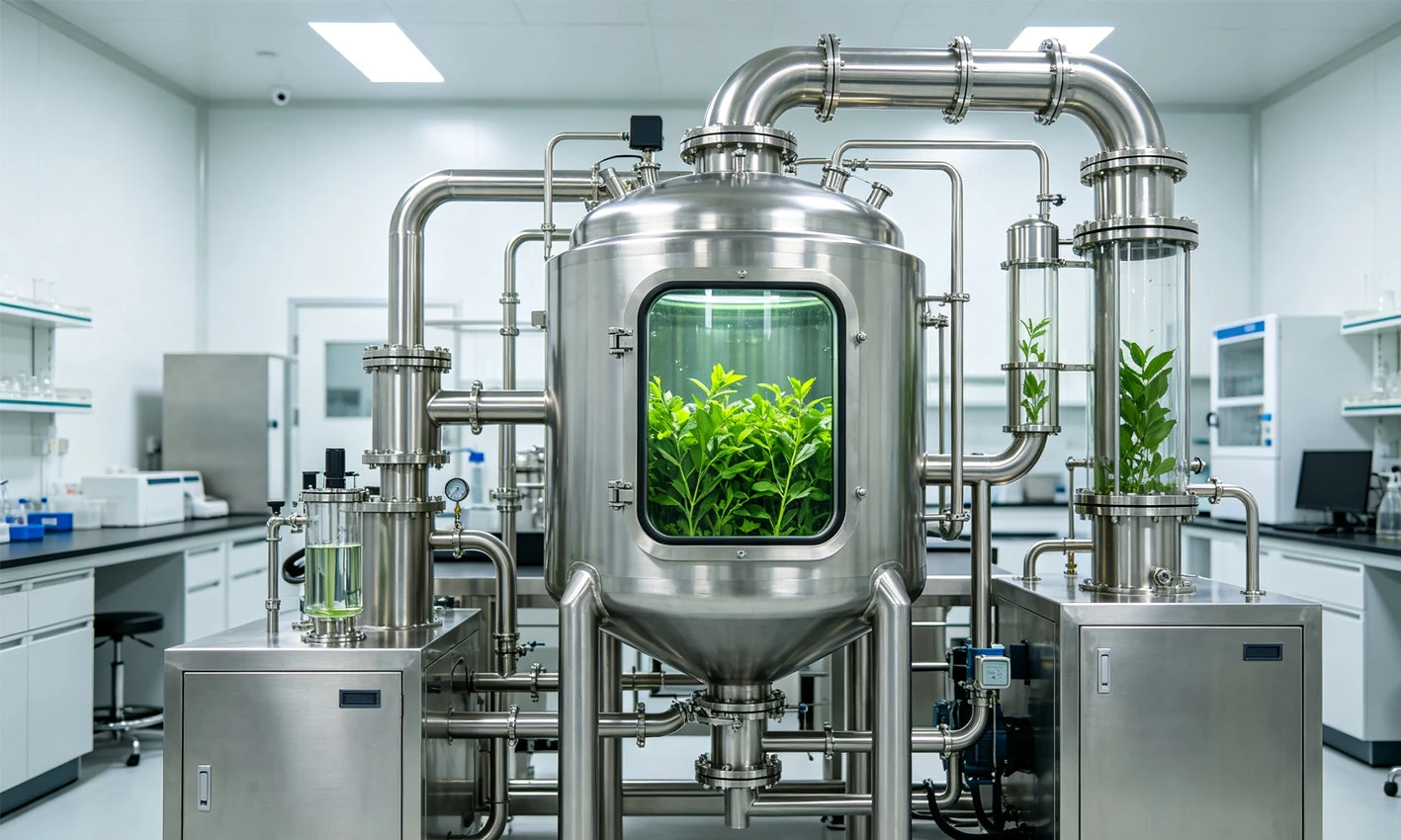
This process is currently the mainstream green process for the production of high-end piperine in the industry, suitable for the production of pharmaceutical-grade and high-purity health product raw materials. Using supercritical CO₂ as the extraction medium, piperine components are selectively extracted in a closed high-pressure device by adjusting parameters such as pressure, temperature, and CO₂ flow rate. The industry-optimal process parameters are: pressure 25 MPa, temperature 50℃, and CO₂ flow rate 20 L/h. Under these parameters, the piperine extraction yield remains stable at 88%~92%.
The core advantages of this process are: low temperature throughout, no organic solvents involved, no solvent residue, maximizing the preservation of piperine's bioactivity; strong extraction selectivity, effectively removing impurities, achieving a finished product purity of over 95%, eliminating the need for complex recrystallization and column chromatography purification steps, simplifying the production process. The only drawback is the high equipment investment cost and higher energy consumption than traditional processes, making it suitable only for high-end, high-value-added product production.
(IV) Deep Purification Process To meet the demand for pharmaceutical-grade ultra-high purity piperine (over 98%), the industry has developed refined purification processes in addition to extraction. First, column chromatography purification uses silica gel and alumina column chromatography technologies, employing gradient elution with eluents to precisely separate piperine from impurities, achieving a purity of over 98%. Second, multiple recrystallization purification further reduces impurity content by optimizing solvent ratios and cooling rates, repeatedly crystallizing to meet pharmacopoeia standards. IV. Comprehensive Comparison of Various Processes and Industry-Specific Application Scenarios
Traditional solvent reflux extraction offers the highest cost-effectiveness and uses universal equipment, making it suitable for mass production of low-end food flavorings and common extract raw materials. However, it suffers from low purity and the risk of solvent residue. Ultrasonic and microwave-assisted extraction processes balance efficiency, cost, and quality, offering the best overall cost-effectiveness and are currently the mainstream production process for mid-to-high-end functional food raw materials. Supercritical CO₂ extraction is green, safe, and offers the highest quality, making it suitable for pharmaceutical raw materials, high-end health products, and export-grade products. However, it requires significant equipment investment, limiting its large-scale adoption.
V. Industry Research and Process Development Trends
Currently, the domestic piperine industry is transitioning from "extensive extraction" to "refined, green, and high-value-added" processes. In terms of functional research, the industry is no longer limited to basic pharmacological validation but is focusing on the synergistic mechanisms, targeted therapeutic effects, and compound formulation applications of piperine, expanding its application scenarios in chronic disease management, adjuvant anti-tumor therapy, and drug synergy. In terms of process development, two major trends are becoming increasingly apparent: First, the iteration of green composite extraction processes, combining ultrasound-assisted technology with supercritical technology, balances extraction efficiency, product purity, and production costs, lowering the production threshold for high-end products; second, the standardization of process parameters, relying on automated control systems to fix core parameters such as extraction temperature, pressure, and solid-liquid ratio, achieving consistent batch-to-batch product stability and meeting the standardized production requirements of the pharmaceutical and food industries. Simultaneously, environmentally friendly processes such as solvent-free water extraction are continuously being optimized, gradually replacing traditional organic solvent processes and becoming a core direction for the industry's low-carbon development.
VI. Conclusion
Piperine, with its diverse and stable biological activities, possesses irreplaceable application value in the fields of health, food, and medicine. The iterative upgrading of its extraction process directly determines product quality, application scenarios, and market value. In the future, with the continuous maturation of green extraction and refined purification technologies, and the deepening research on functional mechanisms, high-purity, high-activity, and residue-free piperine products will become the market mainstream, and the boundaries of industrial applications will continue to expand.
Shaanxi Lvke Chunyuan Biotechnology Co., Ltd.
Our address
Huaxia Yue World, Weibin District, Baoji City, Shaanxi Province,china
Phone Number
86-13992760792( Grace liu Sales manager )