Which Hawthorn Extract Specification Is Right for Your Bulk Sourcing and Formulation
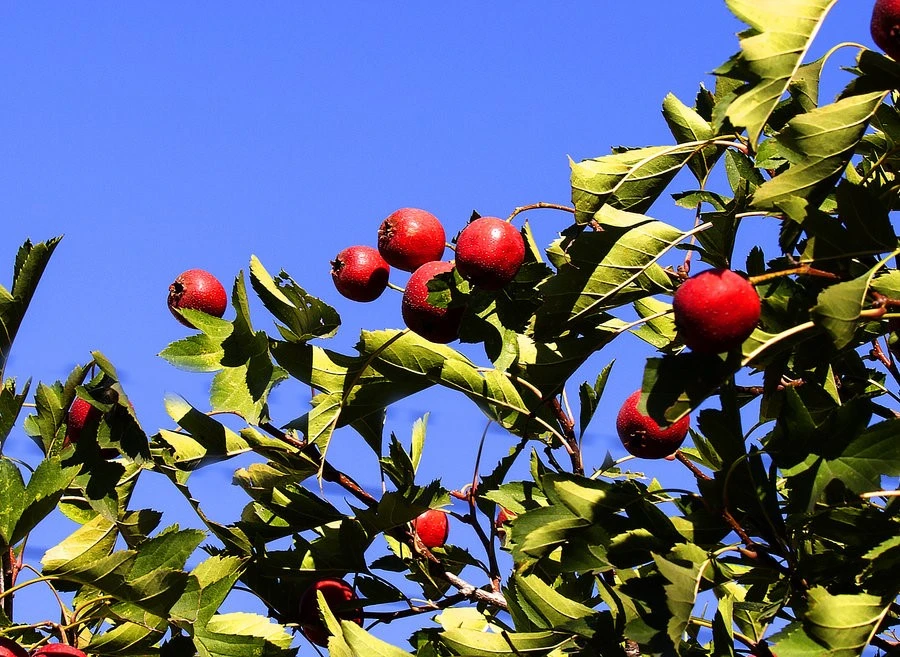
Hawthorn extract has become a steady-volume botanical ingredient across food and beverage, dietary supplements, and skincare. Yet sourcing it is rarely as simple as sending out an inquiry for "hawthorn extract." Buyers frequently mix up fruit extract, leaf extract, ratio extracts, and standardized flavonoids-and then run into problems after the sample arrives: poor solubility, batch-to-batch color drift, failed third-party testing, or missing regulatory documents.
A lot of buyers search for "hawthorn extract" without realizing that different specifications map to different formulation scenarios, test methods, price ranges, and compliance document packages. That gap stretches out sampling cycles and delays new product launches. This article looks at specification selection from the perspective of raw material procurement and formulation, and lays out a purchasing checklist plus supplier delivery standards, so you can narrow down the right spec faster and cut down on back-and-forth testing.
Fruit Extract or Leaf Extract: Which One Fits Your Product?
The market mainly offers two types of hawthorn extract-fruit extract and leaf extract. Their active profiles, applications, and cost ranges are completely different, and this is the first place buyers tend to stumble.
Hawthorn fruit extract comes from the ripe fruit of Crataegus pinnatifida. It's rich in organic acids, hawthorn polysaccharides, and total flavonoids. Common specs on the market include 10:1 and 20:1 ratio extracts, and 5% or 10% total flavonoids (UV method). It usually shows up as a yellowish-brown to brownish powder, dissolves well in water, and carries a distinct sweet-sour flavor. Buyers of fruit extract are typically working on functional solid beverages, pressed tablets, enzyme products, probiotic blends, and ready-to-drink beverages. Their core concerns are flavor compatibility, digestive-related claims, and controllable mouthfeel. For food applications, confirm these points: whether the material is sulfur-free, heavy metals (lead, arsenic, cadmium), pesticide residues, and microbiological limits (total plate count, yeast and mold, Salmonella, E. coli). Skipping these checks often leads to off-flavors, excessive sourness, or caking during storage.
Hawthorn leaf extract is made from dried hawthorn leaves. Its activity centers on flavonoid monomers such as vitexin and hyperoside, and total flavonoid content can be standardized to 20%, 30%, 40%, or even higher. The flavor is mild but noticeably bitter, and water solubility is weaker than fruit extract. It mainly goes into dietary supplement capsules and tablets, plus topical skincare ingredients, where the focus is on microcirculation and antioxidant formulations. It is not suitable for direct addition to flavored beverages. Many suppliers simply label their product "hawthorn extract," so the first question in any inquiry should be about the plant part-fruit or leaf. Otherwise, the sample may not match expectations at all.
A quick rule of thumb: for food and beverages where water solubility matters and a sweet-sour flavor is acceptable, go with fruit extract. For solid supplement formats with high flavonoid requirements where low water solubility is not an issue, go with leaf flavonoid extract.
Which Test Method Should You Lock In for Standardized Hawthorn Extract?
Two extracts both labeled 5% total flavonoids can produce incomparable results if the suppliers used different test methods. This is a key checkpoint when comparing quotes and benchmarking samples. The industry currently relies on two main methods: UV spectrophotometry and HPLC.
UV is the most common approach among domestic factories. It uses rutin as a reference standard to measure total flavonoids, comes with a lower price tag, and suits ordinary food and pressed tablet applications. The downside: it can't distinguish individual flavonoid monomers, so blending in other flavonoid-rich materials to inflate the measured value is possible. HPLC can lock onto characteristic markers such as vitexin and hyperoside content, offering stronger compliance. Export orders, supplement registrations, and European or American clients generally require an HPLC chromatogram, and the unit price is higher. Write these requirements into your inquiry from the start: test method, reference standard, and whether a chromatogram is required.
What Formulation Challenges Should You Expect?
A clean COA doesn't guarantee smooth formulation. Buyers and formulators should anticipate three common pain points with hawthorn extract: moisture absorption, solubility, and color stability.
First, moisture absorption. Hawthorn fruit extract contains substantial organic acids and polysaccharides, giving it a high hygroscopicity. Storage in 25 kg drums requires a cool, dry environment and sealed containers. In tablet formulations with high addition levels, tablets can soften or discolor, so the formula needs anti-humidity excipients. Ask the supplier for hygroscopicity reference data and flowability parameters.
Second, solubility differences. Fruit extract dissolves better than leaf extract, but high-flavonoid leaf extract can turn cloudy or precipitate. For clear beverages and oral liquids, request a cold-water-soluble sample in advance and test clarity across different pH systems. Some orders require modified water-soluble hawthorn extract, which pushes up the price and raises the MOQ.
Third, color fluctuation. Natural hawthorn raw material varies by harvest season and origin, so powder color varies batch to batch. Food clients tend to tolerate this better; skincare clients using it in serums and lotions are strict about color deviation. Agree on a color range with the supplier, require consistency within a batch, and ask for a benchmark sample before scheduling a new batch.
In the cosmetics space, hawthorn extract is positioned around antioxidant, microcirculation-improving, and redness-soothing claims. Addition levels are usually low, so prioritize low-color, low-flavor, low-irritation specs. Also check cosmetic ingredient filing information and preservative residues to avoid discoloration or odor issues after incorporation into the skincare system.
Which Supplier Service Items Reduce Bulk Order Risk?
B2B sourcing of hawthorn extract isn't just about comparing prices per kilogram. A supplier's delivery capabilities directly affect your launch timeline. Put these items on your supplier evaluation checklist:
Sample policy and sample specs: typically 10–20 g for formulation testing. Clarify whether high-content or organic samples are charged and what the dispatch lead time is. The sample COA must follow the same standard as bulk production.
MOQ and flexible scheduling: stock specs usually run 1–25 kg MOQ; custom HPLC-standardized, organic, or water-soluble-modified versions carry higher MOQs. Confirm lead times (3–7 days for stock, 15–25 days for custom enrichment).
Batch traceability: each batch should be traceable to hawthorn origin, harvest time, and extraction batch, with support for re-testing. Clarify restocking, return, and exchange terms if specifications deviate.
Customization: flavonoid content adjustment, powder mesh size (80/100/120 mesh), packaging options (1 kg foil bags, 25 kg fiber drums), neutral packaging, and OEM labels.
Technical support: can the supplier provide reference dosage, compatibility cautions, and storage guidelines, and help troubleshoot formulation issues?
Many buyers default to the lowest price and overlook batch consistency and document support. When the bulk shipment fails testing on arrival, the cost of returns and port delays far exceeds the raw material price difference. A good hawthorn extract supplier will proactively distinguish food-grade, supplement-grade, and cosmetic-grade internal standards rather than selling one product to every industry.
A Ready-to-Send Inquiry Checklist
Here's a checklist you can send directly to suppliers to standardize inquiries and cut down on back-and-forth:
Plant part: hawthorn fruit / hawthorn leaf
Specification: ratio extract or total flavonoid %, test method UV/HPLC
Application: solid beverage / pressed tablet / capsule / skincare / oral liquid
Target market: domestic / export (Europe, US, Southeast Asia-with the corresponding certificates)
Parameter limits: water solubility requirements, microbiology, heavy metals, pesticide residues, organic or not
Needs: samples, quote, MOQ, lead time, full document list (COA, MSDS, certifications)
FAQ
Q: Can fruit extract and leaf extract be used interchangeably?
A: Generally no. They differ in active profile, flavor, and solubility. Fruit extract suits food and beverage applications; leaf extract suits solid supplements and skincare. Substituting one for the other will usually affect both sensory properties and label claims.
Q: Is a higher total flavonoid percentage always better?
A: Not necessarily. What matters is whether the spec matches your formulation and claims. A 5% UV-measured fruit extract may be perfectly adequate for a solid beverage, while a 40% HPLC-standardized leaf extract suits a capsule with a content claim. Higher numbers also come with higher cost and often weaker solubility.
Q: Why do two suppliers quote very different prices for the same 5% total flavonoids?
A: Test method is often the reason. UV-based testing is cheaper than HPLC, and the two aren't directly comparable. Raw material origin, extraction process, document package, and batch consistency also affect price. Compare quotes only after aligning on test method and reference standard.
Q: How do I verify batch consistency before placing a bulk order?
A: Ask for COAs from at least three recent batches and compare flavonoid content, moisture, and microbiological data. Request a retained sample from a previous batch alongside the new sample for side-by-side comparison of color, solubility, and taste. For critical projects, consider a third-party pre-shipment test.
Contact us
Shaanxi Lvke Chunyuan Biotechnology Co., Ltd. relies on the abundant medicinal plant resources of the Qinling Mountain region and its pristine natural ecological environment. The company specializes in the research, development, production, and sales of plant extracts, health food ingredients, chemicals, cosmetic raw materials, food additives, and peptides, as well as the self-operated import and export of related products. We provide innovative products and services to customers in the pharmaceutical, nutraceutical, and other related industries.
Address:Huaxia Yue World, Weibin District, Baoji City, Shaanxi Province
whatsapp:86-13992760792 (Grace liu sales manager )
24-hour response
To deliver reliable support for your sourcing project, our sales manager provides 24-hour response service. Whether you have questions about product specifications, samples or pricing, we are ready to reply to you at any time.