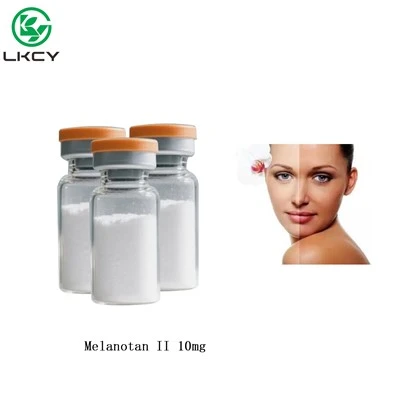
I. Core Conclusion (Industry Authoritative Consensus)
Currently, no large-scale epidemiological clinical trials have confirmed that a dose of 10mg of melanotane II (MT-II) can directly induce skin cancer, and a clear causal relationship between the drug and the disease cannot be established. However, global dermatological clinical cases and warnings from drug regulatory agencies in multiple countries indicate that this dose and routine usage regimen carry potential risks of skin lesions and melanoma. It is classified as a high-risk, non-compliant medical aesthetic peptide substance and is not recommended for self-use.
In short: This dose will not directly or necessarily cause skin cancer, but it will significantly increase the probability of abnormal skin lesions. Combined with external triggers, the risk of skin cancer will increase dramatically.

II. Mechanism of Action and Root Causes of Risk for Melanotan II 10mg
Melanotan II is a synthetic melanocortin receptor agonist. 10mg is a common single-dose dosage on the market. Its core function is to activate the human MC1R melanin receptor, stimulating melanocyte proliferation and accelerating melanin synthesis, achieving rapid tanning and color-fixing effects. This is also the core source of its risk.
Normally, the proliferation and pigmentation of melanocytes in the human body are precisely regulated. However, exogenous drug intervention at a dose of 10mg disrupts this natural regulatory mechanism: it continuously and forcibly activates melanocyte activity, leading to a long-term abnormal proliferation state. This persistent cell activation and disordered proliferation is the potential pathological basis for the transformation of benign skin lesions into malignant lesions.
III. Clinical Cases and Regulatory Risk Evidence
1. Clinical Case Records: Multiple clinical cases have been published in the *British Journal of Dermatology* and the *Australian Journal of Dermatology*, showing that several users who self-injected melanin II (at the standard 10mg dose) experienced rapid darkening, enlargement, and abnormal morphology of existing moles, with some being diagnosed with melanoma in situ or malignant skin lesions. A 2014 dermatological clinical case clearly documented that young women who used this drug in conjunction with sun exposure developed cutaneous melanoma.
2. Official Regulatory Warnings: The UK MHRA and Australian TGA have issued formal safety warnings for Melanotan II, explicitly stating the risk of melanoma development and prohibiting its use for cosmetic tanning. Currently, this substance has not received approval for human use from major drug regulatory agencies in China, the US, and Europe, and is considered a non-compliant pharmaceutical substance.
3. Industry Research Conclusions: Existing short-term studies cannot confirm absolute carcinogenicity, but all authoritative dermatological studies have ruled out the possibility of "absolute safety," and there is currently no long-term human trial data to prove that long-term, periodic use of a 10mg dose does not pose a risk of cancer.

IV. Specific Risks of the 10mg Dosage
1. Dosage Suitability Risk: 10mg is the standard single dose available on the market. For the average adult, this dose is considered a medium-to-high stimulating dose. A single dose can cause excessive activation of melanocytes, and frequent use will continuously accumulate skin damage, far exceeding the risks of low-dose micro-experience.
2. Risk of Insidious Lesions: After using 10mg of melanotane II, the entire body's skin and existing moles will darken uniformly, masking early signs of skin cancer. While the general population can detect early lesions through changes in the shape and color of moles, the user's abnormal pigmentation changes will be covered by the tanning effect of the drug, making early skin cancer difficult to detect, and often leading to diagnosis at an advanced stage.
V. High-Risk Groups (Groups Prohibited from Using 10mg)
The following groups have a significantly increased potential risk of skin cancer when using 10mg melanotane II, and its use is explicitly prohibited in the industry:
1. Individuals with a personal or family history of melanoma or skin cancer;
2. Individuals with fair skin, prone to sunburn, and unable to tan (Fitzpatrick type I or II skin);
3. Individuals with numerous atypical moles, irregular moles, or abnormal pigmentation;
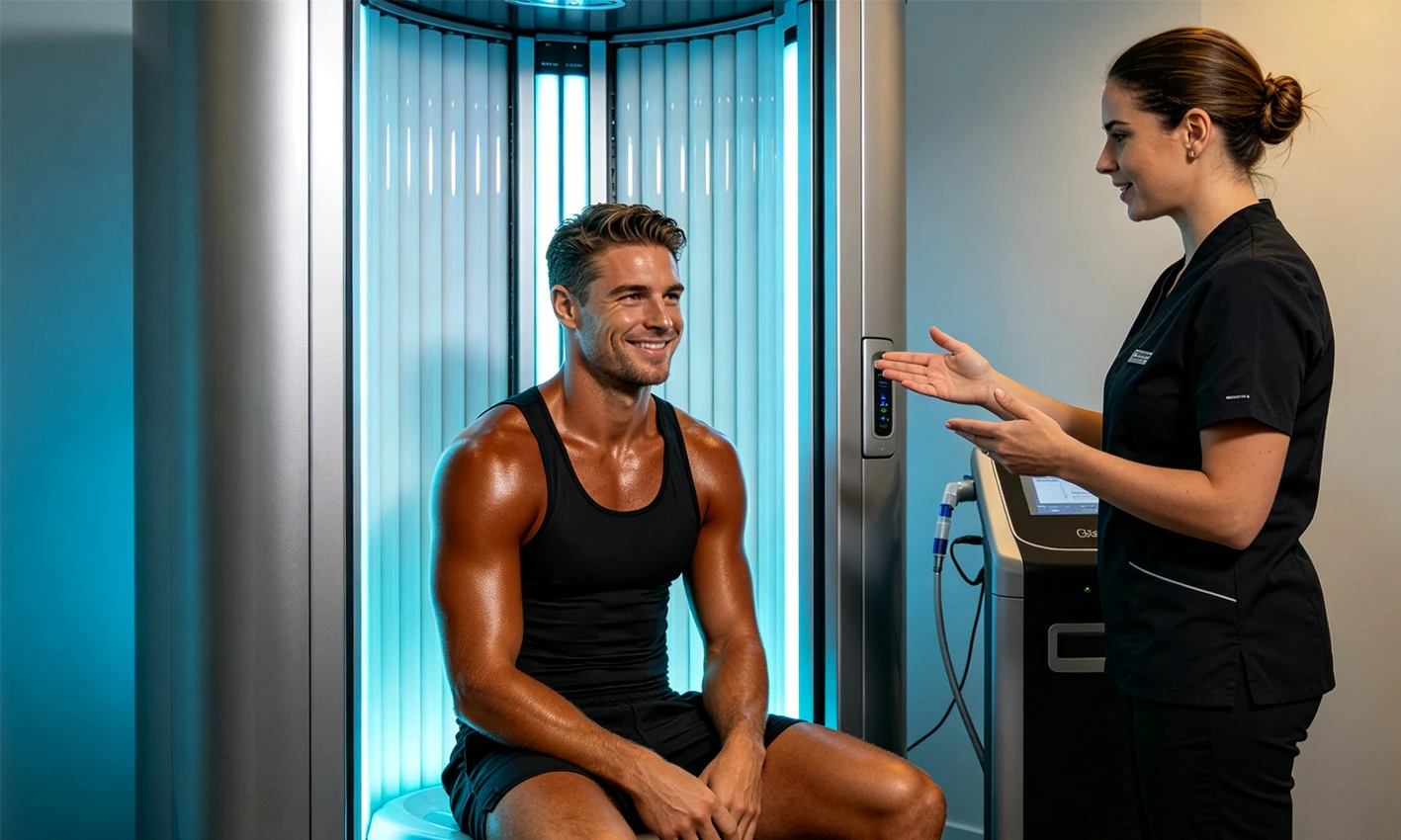
4. Individuals with prolonged exposure to ultraviolet radiation, frequent sun exposure, or use of tanning equipment.
VI. Industry-Standard Safety Guidelines
1. No Compliant Use Scenarios: Currently, no legitimate medical or cosmetic institutions worldwide are approved to use Melanotan II (10mg dose) for human treatment or cosmetic procedures. All products circulating in the market are non-compliant privately sold materials.
2. Prohibition of Blind Trial Use: Even if there are no obvious discomforts after short-term use, the risk of long-term accumulated melanocyte proliferation disorder is irreversible. There is no "safe usage frequency" or "safe usage period."
3. Mandatory User Screening: Individuals with a history of use should undergo a full-body dermoscopy examination every 3-6 months, focusing on screening for atypical nevi and abnormal pigmented patches. If any changes are found in the size, borders, color, or shape of a nevus, an immediate medical biopsy is required to screen for cancer.
VII. Correction of Common Misconceptions
1. Misconception: A 10mg dose is low and will not cause skin damage or cancer. Correction: This dose is the mainstream effective dose on the market and is sufficient to activate abnormal melanocyte proliferation. The core risk lies not in the dosage, but in the non-physiological effects of the drug itself and the long-term cumulative damage. 2. Myth: Drug-induced tanning can protect against ultraviolet rays and reduce the risk of skin cancer. Correction: Drug-induced artificial melanin lacks the skin's protective function of natural melanin and cannot resist ultraviolet DNA damage. On the contrary, the darkened skin may cause users to relax their sun protection efforts, increasing the probability of sun exposure and indirectly raising the risk of cancer.
Shaanxi Lv Ke Chun Yuan Biotechnology Co., Ltd
Our address
Huaxia Yue World, Weibin District, Baoji City, Shaanxi Province
Phone Number
+86-13571783771