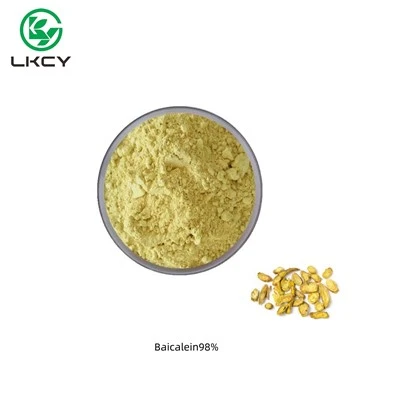
Chronic pruritus is a common and intractable skin condition, defined as itching lasting 6 weeks or more. It differs from transient acute pruritus, as its pathogenesis is complex, its recurrence rate is high, and conventional treatments have limited effectiveness. This symptom can occur independently or in conjunction with atopic dermatitis, allergic contact dermatitis, neuropathic skin diseases, and some systemic diseases. Long-term, recurrent itching can lead to skin damage, sleep disturbances, and even induce psychological problems such as anxiety and depression, severely reducing quality of life. Currently used clinical treatments such as antihistamines and corticosteroids have limited efficacy against nonhistamine-mediated chronic pruritus, and long-term use has drawbacks such as drug resistance, skin atrophy, and systemic adverse reactions. Therefore, finding safe and effective natural active therapeutic ingredients has become a hot topic in dermatological pharmacological research. Baicalein is the core flavonoid active monomer of the traditional Chinese medicine Scutellaria baicalensis, possessing multiple pharmacological activities including anti-inflammatory, antioxidant, neuromodulatory, and immunomodulatory effects. Recent basic experimental and mechanistic studies have confirmed its clear interventional and therapeutic effects on various types of chronic pruritus. Its mechanism of action covers multiple dimensions, including peripheral skin, sensory nerves, and central spinal cord regulation, demonstrating significant value for new drug development and clinical translation.

I. Core Pathogenesis and Pathological Mechanism of Chronic Pruritus
The pathogenesis of chronic pruritus is not mediated by a single pathway, but rather by the combined effects of skin immune dysregulation, abnormal activation of peripheral sensory neurons, and central nervous system sensitization. The non-histamine-dependent pruritus pathway is the main pathogenic core, which is also the key reason for the failure of traditional antihistamine treatment. At the peripheral level, keratinocytes, mast cells, and immune cells continuously release pruritus-related inflammatory factors such as IL-31, IL-4, and TNF-α, activating pruritus receptors on the skin surface and continuously transmitting pruritus signals. Simultaneously, the abnormally high expression of ion channel proteins by dorsal root ganglion sensory neurons amplifies the peripheral transmission efficiency of pruritus signals. From a central nervous system perspective, long-term chronic inflammation can induce abnormal activation of spinal cord dorsal horn astrocytes, activating downstream signaling cascades and leading to central pruritus sensitization. This creates a vicious cycle of "pruritus-scratching-inflammation exacerbation-persistent pruritus," which is the core pathological basis for the stubborn and difficult-to-cure nature of chronic pruritus.
II. Multidimensional Mechanisms of Action of Baicalin in Treating Chronic Pruritus
(I) Regulating Central Spinal Cord Pathways and Blocking Central Pruritus Sensitization Abnormal activation of spinal cord astrocytes is a key inducing factor for central sensitization of chronic pruritus. A series of animal experiments conducted by Wang Zhifei's team clearly demonstrated that baicalin can exert its anti-chronic pruritus effect by targeting and regulating the STAT3–LCN2 signaling pathway in spinal cord astrocytes. Using allergic contact dermatitis (ACD) mice as a chronic pruritus model, the experimental results showed that the model mice exhibited extensive activation of spinal cord dorsal horn astrocytes, significantly increased STAT3 protein phosphorylation levels, and abnormally high expression of downstream LCN2 protein, continuously driving chronic pruritus behavior. Intervention with baicalin showed a dose-dependent inhibition of astrocyte overactivation, reduced STAT3 phosphorylation levels, blocked the STAT3–LCN2 signaling cascade, effectively reversed spinal cord central pruritus sensitization, significantly reduced scratching behavior in mice, and improved skin lesions such as redness and breakage in model mice. This mechanism elucidates the core pathway by which baicalin blocks the progression of chronic pruritus at the central level, filling a gap in research on the mechanism of natural flavonoids intervening in the central pruritus pathway.
(II) Inhibition of peripheral sensory neuron activation and blocking of pruritus signal transduction. The voltage-gated sodium channel Nav1.7 is a core target for pruritus signal transduction mediated by peripheral sensory neurons. Its abnormally high expression significantly amplifies acute and chronic pruritus signals and is an important pathogenic target for non-histamine-dependent chronic pruritus. Multiple animal model experiments have confirmed that oral administration of baicalin can broadly intervene in multiple types of chronic pruritus, and has a clear inhibitory effect on diphenylcyclopropenone (DCP)-induced refractory chronic pruritus. From a molecular perspective, baicalin significantly downregulates the mRNA and protein expression levels of Nav1.7 in the dorsal root ganglion (DRG) at both transcriptional and translational levels, inhibiting abnormal excitability of peripheral sensory neurons and blocking the transmission of nonhistaminergic pruritus signals mediated by IL-31 and chloroquine to peripheral nerves. Simultaneously, it inhibits both acute histaminergic pruritus and neuropathic pruritus, achieving comprehensive regulation of peripheral pruritus transmission pathways. This mechanism explains the pharmacological basis for the effectiveness of baicalin in treating chronic pruritus induced by various factors.

(III) Regulating Skin Immune Inflammation and Improving the Skin Microenvironment Chronic inflammatory infiltration in the local skin is a significant trigger for recurrent chronic pruritus. Baicalin can inhibit skin inflammatory responses through multiple pathways, reshaping the normal skin microenvironment. At the skin cell level, baicalin acts on keratinocytes, downregulating the expression of pro-inflammatory factors such as TNF-α and IFN-γ, inhibiting the phosphorylation of inflammatory pathway proteins such as NF-κB and STAT1, and blocking the local inflammatory cascade response in the skin. Simultaneously, baicalin can reduce the secretion of pruritus-related cytokines such as IL-4 and CXCL1 in skin tissue, and reduce the infiltration of inflammatory cells such as neutrophils and mast cells at the site of skin lesions, thereby alleviating the continuous stimulation of pruritus receptors by inflammation at the source. Furthermore, molecular docking experiments have confirmed that baicalin can stably bind to core inflammatory targets such as TLR4 and HIF-1α, inhibiting the progression of skin inflammation by regulating the HIF-1α signaling pathway, thus achieving a dual effect of relieving itching and repairing skin lesions.
(IV) Antioxidant Damage Relief and Alleviation of Skin Barrier Dysfunction Patients with chronic pruritus commonly suffer from impaired skin barrier function and excessive activation of oxidative stress. The accumulation of reactive oxygen species continuously damages the stratum corneum, exacerbating inflammation and pruritus symptoms. The flavonoid structure of baicalin endows it with excellent antioxidant activity, effectively clearing excess reactive oxygen species in skin tissue and inhibiting the damage of oxidative stress to skin cells. Simultaneously, it can upregulate the expression of skin barrier-related proteins, repair damaged skin stratum corneum structure, reduce the invasion of external stimuli into the skin, break the vicious cycle of oxidative stress, skin barrier damage, and aggravated itching, and help improve the treatment effect of chronic itch and reduce the probability of recurrence.
III. Research Value and Clinical Application Prospects

Current clinical treatments for chronic itch suffer from problems such as single target, significant drug resistance, and prominent side effects. Baicalein, with its advantages of multiple targets, multiple pathways, and low toxicity, has become a high-quality natural candidate ingredient for the development of innovative drugs for chronic itch. Existing basic research has fully confirmed that baicalein can intervene in chronic itch through four core pathways: central sensitization regulation, peripheral signal blocking, skin inflammation inhibition, and barrier repair. It also has significant intervention effects on different types of chronic itch, including histamine-dependent, non-histamine-dependent, and neuropathic types, making it suitable for the complex pathogenesis of chronic itch in clinical practice.
Current clinical treatments for chronic itch suffer from problems such as single target, significant drug resistance, and prominent side effects. Baicalein, with its advantages of multiple targets, multiple pathways, and low toxicity, has become a high-quality natural candidate ingredient for the development of innovative drugs for chronic itch. Existing basic research has fully confirmed that baicalein can intervene in chronic itch through four core pathways: central sensitization regulation, peripheral signal blocking, skin inflammation inhibition, and barrier repair. It also has significant intervention effects on different types of chronic itch, including histamine-dependent, non-histamine-dependent, and neuropathic types, making it suitable for the complex pathogenesis of chronic itch in clinical practice.
From an industrial and clinical translation perspective, baicalin is naturally derived and highly safe. Compared to chemically synthesized antipruritic drugs, long-term intervention has no significant toxic side effects. It can be developed into oral formulations for the treatment of systemic chronic pruritus, or into topical skin preparations that act directly on skin lesions, adaptable to different clinical treatment scenarios. Currently, related mechanism research has been supported by several research projects, including the National Natural Science Foundation of China, with sufficient basic experimental data providing a solid theoretical foundation for subsequent new drug development, clinical dosage optimization, and the development of combination therapy regimens.
IV. Current Limitations and Future Directions
At present, research on baicalin for the treatment of chronic pruritus is still mainly based on basic animal and cell experiments, which has certain limitations. First, there is a lack of large-sample, multi-center clinical evidence-based studies; the effective dose, metabolic patterns, long-term efficacy, and safety of baicalin in humans still need further verification. Second, the cross-regulatory mechanisms of some signaling pathways are not yet fully understood, and the synergistic or antagonistic relationships between various pathways need further investigation. Third, the poor water solubility and low bioavailability of baicalin limit the clinical application of formulations.
Future research will focus on three core directions: first, advancing clinical translational research to clarify human dosage, treatment duration, and efficacy evaluation standards; second, deeply analyzing the molecular network regulatory mechanism of baicalin in treating chronic pruritus and exploring novel targets; and third, optimizing formulation processes to improve the bioavailability of baicalin through technologies such as nano-drug delivery and liposome encapsulation, laying the foundation for its large-scale clinical application.
V. Conclusion
The core advantage of baicalin in treating chronic pruritus lies in its multi-target, comprehensive intervention in the pathological process of the disease. Unlike the symptomatic treatment of traditional single antipruritic drugs, it can simultaneously achieve multiple effects, including central antipruritic effects, peripheral signal control, skin inflammation reduction, and barrier repair, precisely targeting the core pathological mechanism of the stubborn and difficult-to-treat chronic pruritus. With the continuous improvement of related pharmacological mechanism research and the continuous optimization of formulation technology, baicalin is expected to become a novel natural drug for the clinical treatment of intractable chronic pruritus, providing a new solution to the clinical challenges of chronic pruritus treatment and possessing broad prospects for pharmaceutical research and development and clinical application.
Shaanxi Lvke Chunyuan Biotechnology Co., Ltd.
Our address
Huaxia Yue World, Weibin District, Baoji City, Shaanxi Province,china
Phone Number
86-13992760792( Grace liu Sales manager )