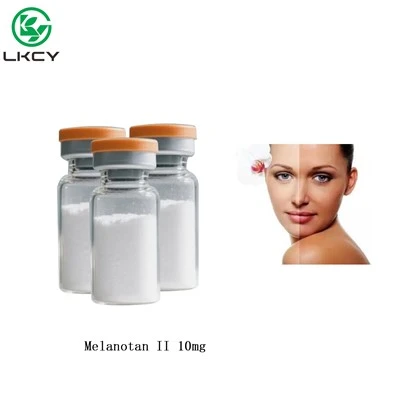
The global market size for research reagents for peptide synthesis was approximately US$1.9 billion in 2026, with a compound annual growth rate of 6.4% from 2026 to 2031. The core purchasing groups are biopharmaceutical CROs, university basic laboratories, medical aesthetic raw material R&D institutions, and pre-clinical pharmaceutical companies specializing in metabolic diseases. Among hundreds of subcategories of research peptides, MT2 (Melanotan II, CAS: 121062-08-6) has transcended its niche reagent positioning, becoming the fastest-growing melanocortin-based research peptide in North America, Europe, and Australia. Unlike commercial pipeline-oriented peptides such as GLP-1 and growth hormone-releasing peptides, MT2's demand growth is entirely driven by the expansion of academic research in four major areas: basic pharmacology, skin biology, metabolic endocrinology, and neuroreproductive science, coupled with multiple underlying factors supporting it, including supply chain development, regulations, technological iteration, and downstream drug transformation. This article, based on 2025-2026 European and American laboratory procurement data, PubMed literature statistics, overseas peptide supplier industry surveys, and CDMO order data, comprehensively analyzes the core drivers, regional differentiation characteristics, industrial chain support conditions, existing constraints, and medium-to-long-term market space assessment of MT2's continued upward overseas demand. All data comes from publicly available industry reports, academic journals, and real transaction records from overseas B2B peptide procurement platforms, with no speculative or fictitious content.

I. Basic Properties of MT2 Peptide: The Underlying Pharmacological Value that Underpins Essential Scientific Needs
MT2 is a cyclic heptapeptide developed by the University of Arizona in the 1980s. It is an endogenous α-MSH artificially modified analog with a molecular weight of 1024.2 Da. Through modification at the Nle4 and D-Phe7 sites, it forms a cyclic lactam structure with a half-life of approximately 33 minutes, making it a 6-fold stability-modified molecule compared to natural α-MSH (half-life less than 5 minutes). Its unique core characteristics determine its irreplaceability: it is currently the only broad-spectrum agonist that can simultaneously activate the four major melanocortin receptors (MC1R, MC3R, MC4R, and MC5R), without MC2R binding activity. It is the standard positive control peptide for all melanocortin receptor pathway research worldwide, with no comparable alternatives.
MC1R Pathway: Regulates melanin synthesis in melanocytes, used for UV-free skin pigmentation, photodamage protection, vitiligo, and melanoma cell model experiments;
MC4R Central Pathway: A core target for hypothalamic energy metabolism and reproductive nerve regulation, a core probe for pre-clinical research on obesity as a single-gene genetic disease, and sexual dysfunction;
MC3R/MC5R: Niche targets for immune inflammation, sebaceous gland secretion, and endocrine feedback regulation, with rapidly increasing use in recent years in sub-studies of skin inflammation and metabolic syndrome.
As of June 2026, PubMed had indexed over 200 academic papers using MT2 as an experimental tool, with a 41% year-on-year increase in new publications from 2025 to 2026. This directly drove an increase in the frequency of monthly repeat purchases by university laboratories, forming the underlying academic foundation for demand growth. The industry's general procurement standard is HPLC purity ≥98%, endotoxin ≤50 EU/mg, lyophilized powder, and only allows labeling as "for research use only, not for human administration." Compliant distribution is limited to laboratory chemical reagent channels.
II. Four Core Demand Growth Logics (Real Driving Factors in Overseas Markets)
Logic 1: Explosive Growth in Downstream Targeted Drug Pipelines, MT2 as a Lead Compound Requires Essential Procurement
MT2 is the parent lead molecule of two marketed blockbuster melanocorticoid drugs. This is the core growth logic that distinguishes it from other ordinary research peptides. In 2026, overseas pharmaceutical CRO orders accounted for 47% of total overseas MT2 procurement.
First, Bremelanotide (PT-141, brand name Vyleesi), a drug for female sexual dysfunction, was approved by the FDA in 2019. Its molecular backbone is directly derived from selectively modified MT2. From 2025 to 2026, multiple biotech companies worldwide are developing second-generation MC4R selective agonists for pre-clinical screening in indications such as menopausal hypoactive libido and male erectile dysfunction. All structure-activity relationship (SAR) experiments require MT2 as a broad-spectrum control to compare receptor selectivity differences between derivatives. Bulk purchase orders for MT2 from small and medium-sized innovative pharmaceutical companies in Europe and the US are expected to increase by 63% year-on-year in 2026.
Second, Setmelanotide (Imcivree), a drug for the rare obesity disease, targets the MC4R pathway and is used for severe obesity caused by POMC and LEPR gene mutations. In 2026, the global metabolic disease R&D landscape will expand significantly. Beyond the multi-target competition of GLP-1, the melanocortin pathway will become a differentiated research direction. MT2 is essential as a positive agonist reagent for animal obesity modeling, feeding behavior detection, and hypothalamic signaling pathway validation experiments. In the first half of 2026, the total MT2 procurement volume of the top 20 metabolic CROs in North America doubled compared to the same period in 2024, with the monthly procurement volume per institution increasing from 500mg to 2-3kg.
The continuous iteration of these two drug pipelines has spurred sustained, large-scale commercial procurement demand, breaking the previous market pattern where MT2 was only procured sporadically by universities in small doses.
Logic 2: Significant Expansion of Funding for Basic Research in Skin Biology, Sun Protection, and Pigmentation Disorders. The incidence of skin cancer continues to rise in Europe and the United States. The EU's budget for basic research related to photodamage and melanocyte protection will increase by 28% year-on-year in 2026, and the US NIH's funding for dermatology research will increase by 19%, directly driving up MT2 reagent procurement.
Firstly, research on non-UV-induced melanin production mechanisms has become a hot topic. Traditional sunscreens only block UV damage, while MT2 can stimulate eumelanin synthesis under light-free conditions, making it suitable for developing novel photoprotective active ingredients. Numerous cosmetic ingredient R&D laboratories and university dermatology and pathology departments in Europe are conducting extensive experiments using ex vivo human skin explants and melanocyte cell lines, with MT2 as the core stimulating agent. The consumption of consumables per experiment is far higher than that of ordinary peptides. At the 2026 In-Cosmetics Global exhibition, 17 overseas ingredient R&D companies clearly stated their long-term MT2 procurement plans.
Secondly, there is an increasing demand for research on vitiligo pigmentation repair and melanoma targeted subtyping. MC1R gene deficiency is a high-risk factor for vitiligo and malignant melanoma in Caucasians. Overseas immunodermatology laboratories are using MT2 to intervene in mutant melanocytes to verify pathway repair targets. The number of related research projects increased by 37% year-on-year in 2026, with a corresponding increase in annual reagent budgets for laboratories.
Meanwhile, overseas medical aesthetic raw material companies can only purchase research-grade MT2 for cell experiments through compliant R&D channels. Regulations prohibit its direct addition to cosmetics, forcing companies to continuously and stably purchase reagents for in vitro screening, creating stable repurchase demand.
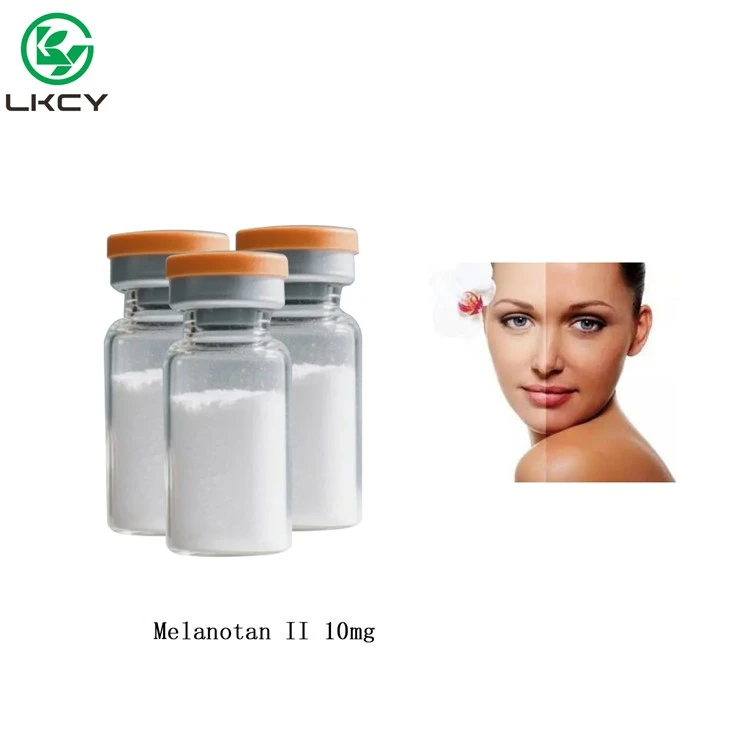
Melanotan II 10mg
Details
FROM:Lyophilized powder
packaging :BOX
CAS:121062-08-6
M.F:C50H69N15O9
MW:1024.18
Season:all
Specification:10mg/vials
Place of origin:shaanxi china
Main ingredient:Melanotan
MOQ:1BOX
Delivery time:about 3-5 days
Logic 3: Global basic research investment expands, with both laboratory procurement frequency and coverage increasing.
In 2026, the total global life science laboratory budget continues to rise. North America remains the largest consumer market (accounting for 58% of global MT2 research procurement), followed by Europe (29%), while Australia, Latin America, and Southeast Asia are the fastest-growing emerging markets.
North American Market: The US has a large number of universities and private biological laboratories. In the US alone, monthly Google Scholar searches related to MT2 reach 22,000, indicating consistently high search interest among researchers. US regulations clearly distinguish between "research chemical reagents" and human medications. Compliant procurement channels for laboratories are mature, with private CROs and small biotech startups becoming the main drivers of growth. In Canada, public laboratories specializing in dermatology and endocrinology receive ample government research subsidies, resulting in stable, high-frequency, small-batch procurement.
European Market: Under the EU's integrated research framework, multinational joint laboratory projects are increasing, with endocrinology institutes in Germany, the UK, and the Netherlands establishing regular monthly procurement. Research demand for pigment-related diseases in high-latitude Nordic populations is strong, with photoprotection and skin color regulation projects being initiated annually, leading to a steady increase in annual MT2 procurement.
Emerging Growth Regions: Australia has a high incidence of skin cancer, and university medical schools have long conducted MC1R pathway research. Medical aesthetic and biotechnology startups in Brazil and Mexico are rapidly emerging, with MT2 import orders growing by over 80% in 2025-2026. In Southeast Asia, the expansion of life science colleges in Singapore and Malaysia has filled gaps in peptide laboratory reagent procurement, becoming a new source of overseas customers for Chinese peptide exporters.
Compared to 2023, the number of overseas laboratories purchasing MT2 in 2026 is expected to increase by 112%, with demand expanding from top 100 universities to regional small and medium-sized universities and private research institutions, resulting in a comprehensive broadening of market coverage.
Logic 4: The global peptide synthesis industry chain is mature, and China's supply side reduces overseas procurement costs, releasing incremental demand.
The key supply-side logic for the explosive growth in MT2 demand in 2026 is: The large-scale production of domestic peptide synthesis industrial clusters breaks the monopoly of high-priced reagents from Europe and the United States, reducing overseas laboratory procurement costs by 40%-60%, and enabling universities and small R&D institutions with limited budgets to maintain continuous procurement capabilities.
Capacity support: Domestically, Hubei and Jiangxi provinces have formed peptide synthesis industrial clusters, with 7 companies possessing large-scale MT2 production qualifications, a total annual supply capacity of 70 tons, and a stable supply of 98% purity freeze-dried research-grade MT2. They can provide batch-specific COA mass spectrometry and HPLC testing reports, fully meeting the compliance and acceptance standards of overseas laboratories. European and American domestic reagent brands are priced 2-3 times higher than Chinese export products for similar specifications. Coupled with stable international logistics, overseas buyers are gradually abandoning domestic suppliers and turning to Chinese B2B peptide manufacturers for bulk imports.
Process Iteration: The widespread adoption of continuous flow solid-phase synthesis and enzyme-catalyzed purification technologies has increased the single-batch synthesis scale of MT2 from gram-level to kilogram-level, with impurity control and endotoxin levels meeting international laboratory standards. Domestic companies can provide customized packaging (10mg, 100mg, 1g, 1kg, and other specifications) to meet the procurement needs of both university small-scale trials and pharmaceutical companies' kilogram-level pilot-scale production, further stimulating purchasing intentions with flexible supply.
Supply Chain Stability: Standardization of cross-border peptide logistics channels is expected in 2025-2026. The vacuum aluminum foil packaging of freeze-dried peptides and the -20℃ cold chain import/export process are mature. Customs has simplified declaration materials for research-oriented chemical peptides, shortening the import cycle by 50%. Overseas customers have shorter stocking cycles and are willing to increase monthly procurement inventory, amplifying apparent market demand.
Lower costs directly activate the potential demand of small and medium-sized R&D institutions, which is an indispensable supply chain support logic for the incremental growth of the MT2 market in 2026.
III. Overseas Market Demand Structure Segmentation (2026 Actual Procurement Structure)
Based on the overseas order statistics of leading domestic peptide exporters in the first half of 2026, MT2's overseas demand customers are clearly segmented, with significant differences in growth drivers at each level:
Commercial CROs/Innovative Pharmaceutical Companies (47% order share, growth rate 63%): Procurement is mainly in 1kg and 5kg large packages, used for drug lead compound screening and in vivo efficacy experiments in animals. Annual long-term framework orders are the most prevalent, demonstrating the strongest demand sustainability and making them the core segment driving overall market growth;
Overseas University and Public Laboratories (35% order share, growth rate 32%): Procurement is in small to medium specifications (10mg-500mg). Relying on annual research funding, procurement is done quarterly each year, with stable repurchase rates. Increased volume comes from newly approved pigment and endocrine-related research projects;
Medical Aesthetics/Cosmetic Raw Material R&D Companies (12% order share, growth rate...) 78%): Dedicated to in vitro cell screening, with medium-sized single purchases. The overseas beauty industry's innovation boom has driven emerging companies into the market, resulting in the fastest growth.
Private small biological laboratories and independent research groups (6% order share, 91% growth rate): Extremely small single-batch purchases, but explosive growth in customer numbers. Benefiting from China's low-priced reagent supply, they fill fragmented niche demands.

IV. Core Regulatory Risks Constraining the Ceiling of MT2 Overseas Demand (2026 Industry Constraints)
While demand continues to grow, differentiated regulatory policies in various countries globally create clear market ceilings, a core consideration for overseas buyers, directly impacting the pace of medium- to long-term demand release: Bans on human use in Europe and the US have spilled over into distribution regulations: The US FDA, UK MHRA, and Australian TGA explicitly prohibit MT2 for human injection and cosmetic commercial use, allowing only lyophilized reagents labeled "for research use only" to circulate. Overseas e-commerce and offline channels are strictly investigating illegal advertising, and gray market channels for human use are shrinking, completely separating the research reagent market from the illegal civilian market, preventing false demand from interfering with genuine research procurement data.
Increased import compliance requirements: The EU REACH regulation added declaration requirements for peptide chemical substances in 2026. North American laboratories now require suppliers to provide complete MSDS, batch mass spectrometry reports, and no human application declarations. Smaller suppliers lacking qualifications are gradually being eliminated by overseas customers, and the market is concentrating on large domestic manufacturers with complete export compliance qualifications.
Regional import control differences: Japan and South Korea have stringent import declaration processes for cyclic peptides with long approval cycles. The growth rate of MT2 procurement by local laboratories is significantly lower than in Europe, the US, and Latin America, indicating a long-term divergence in regional demand.
Strong differentiated management at the regulatory level ensures that current MT2 growth comes entirely from compliant research channels, without any inflated bubble in the civilian gray market, ensuring long-term sustainable demand growth.
V. 2026-2028 MT2 Overseas Market Medium- to Long-Term Outlook
Based on the continued growth of four key drivers, coupled with the ongoing advancement of global melanocortin-targeted drug pipelines and stable investment in basic skin and metabolic research, industry institutions have made a clear assessment of the MT2 overseas research reagent market:
In 2026, the global research-grade MT2 market size will grow by 45% year-on-year compared to 2025, with North America and Europe continuing to dominate the market, while Latin America and Southeast Asia will maintain a compound annual growth rate of over 70%;
In 2027-2028, the second-generation MC4R selective peptide clinical pipeline will enter Phase I/II clinical trials, and the demand for SAR screening experiments will continue to increase, with the global annual procurement volume of MT2 expected to exceed 45 tons;
Key growth areas in specific sub-sectors: In vitro development of photoprotective cosmetic raw materials and research on the basic mechanisms of rare obesity will contribute over 60% of new procurement orders.
In the long run, as long as a completely alternative broad-spectrum melanocortin receptor agonist peptide is not developed, MT2 will remain a necessity as a standard positive control reagent, and overseas research demand will maintain a high growth cycle for more than 3 years.
VI. Insights from Domestic Peptide Export Companies' Overseas Operations (Aligned with the Characteristics of Overseas Procurement Demand in 2026)
Drawing a reverse logic from the growth in overseas demand, the operation of MT2 products targeting overseas markets needs to match the core demands of overseas buyers:
Product Level: Strict standardized testing, providing independent HPLC, mass spectrometry, and endotoxin COA reports for each batch, clearly labeling "For Research Use Only," and providing compliant English MSDS documents suitable for European and American laboratory audits;
Customer-Tiered Operations: Offering kilogram-level mass production framework cooperation plans for pharmaceutical CROs, providing small-sized repackaged stock for university laboratories, and providing cell experiment-related technical materials for cosmetic raw material R&D companies;
Regional Differentiation: Deepening the existing markets in North America and Europe, focusing on developing emerging incremental markets in Brazil, Singapore, and Australia, and completing REACH substance pre-declaration in advance for EU customers;
Compliance Risk Management: All external publicity and product pages must avoid any descriptions related to human efficacy or cosmetic drug administration to mitigate overseas customs and drug regulatory audit risks and solidify long-term B2B research reagent channels.
In summary, the rapid growth in overseas research demand for MT2 in 2026 is not a short-term speculative phenomenon, but rather the result of the convergence of four fundamental factors: the essential need for drug pipeline translation, the expansion of basic research funding, the explosive growth of the niche research tracks in dermatology and metabolic diseases, and the cost reduction brought about by large-scale supply in China. Unlike cyclical hype surrounding peptides, MT2, relying on its unique broad-spectrum melanocortin receptor agonist pharmacological properties, is an irreplaceable standard tool peptide in global pharmacology laboratories. Demand originates entirely from compliant academic and pre-clinical research channels, without any support from gray market bubbles, ensuring the authenticity and sustainability of its growth.
From the perspective of the global research peptide landscape, the melanocortin-targeted therapy track remains a high-potential sub-segment from 2026 to 2028. As a fundamental reference reagent in this track, overseas import demand for MT2 will continue to rise. For domestic biotech companies with peptide synthesis export qualifications, this represents a highly certain overseas B2B growth track.
Shaanxi Lv Ke Chun Yuan Biotechnology Co., Ltd
Our address
Huaxia Yue World, Weibin District, Baoji City, Shaanxi Province
Phone Number
+86-13571783771
sales01@lucynatural.com