The shelf-life of any product is a crucial aspect that both suppliers and consumers need to understand well. When it comes to Carotene Powder, this is no exception. As a supplier of high - quality Carotene Powder, I'm here to share in - depth knowledge about its shelf - life with you.
Understanding Carotene Powder
Carotene is a group of fat - soluble pigments found in plants, algae, and photosynthetic bacteria. Carotene Powder is a concentrated form of these pigments, which is widely used in the food, cosmetic, and pharmaceutical industries. In the food industry, it serves as a natural colorant, providing products with a pleasant orange - red hue. For the cosmetic sector, carotene is valued for its antioxidant properties, which can help protect the skin from damage caused by free radicals. And in the pharmaceutical field, it is an important nutritional supplement due to its role in maintaining good eyesight and a healthy immune system.
Factors Affecting the Shelf - Life of Carotene Powder
The shelf - life of Carotene Powder is not a fixed value but is influenced by various factors.
1. Storage Conditions
Storage conditions play a dominant role in determining the shelf - life of Carotene Powder. Carotene is sensitive to light, heat, and oxygen. Exposure to sunlight can cause photo - oxidation of carotene molecules, leading to a degradation of the pigment and a loss of its biological activity. High temperatures can also accelerate the oxidation process, breaking down the carotene structure. Additionally, oxygen in the air can react with carotene, resulting in the formation of free radicals and ultimately reducing the quality of the powder.
To preserve Carotene Powder effectively, it should be stored in a cool, dark, and dry place. A temperature range of 2 - 8°C is often recommended for long - term storage. The powder should be kept in air - tight containers to minimize oxygen exposure. For example, storing it in sealed aluminum foil bags or glass bottles can significantly extend its shelf - life.
2. Purity and Quality of the Initial Product
The quality of Carotene Powder at the time of production also has a significant impact on its shelf - life. Higher - purity Carotene Powder generally has better stability. If the powder contains impurities, these impurities can act as catalysts for chemical reactions, promoting the degradation of carotene. During the manufacturing process, strict quality control measures are necessary to ensure the high purity of the product. This includes using advanced extraction and purification techniques to remove unwanted substances.
3. Packaging
Proper packaging is essential for protecting Carotene Powder from external factors. As mentioned earlier, air - tight containers are a must. In addition, the packaging material itself can affect the shelf - life. For example, opaque packaging can prevent light from reaching the powder, while materials with good oxygen - barrier properties can reduce oxidation. Some suppliers use multi - layer packaging to provide an extra layer of protection.
Typical Shelf - Life of Carotene Powder
Under optimal storage conditions, the shelf - life of Carotene Powder is typically around 2 - 3 years. However, this is just an estimate, and the actual shelf - life may vary depending on the factors mentioned above. If the powder is stored at room temperature and exposed to light and air, its quality may start to deteriorate within a few months.
It's important to note that even within the estimated shelf - life, the quality of Carotene Powder may gradually decline. Over time, the color of the powder may fade, and its antioxidant activity may decrease. Therefore, it's advisable to use the powder as soon as possible after purchase, especially for applications where the highest quality is required.
Comparison with Other Plant Extracts
When considering the shelf - life of Carotene Powder, it's interesting to compare it with other popular plant extracts. For example, Artichoke Extract Cynarin is another well - known plant extract. Similar to Carotene Powder, it is sensitive to environmental factors. However, due to its different chemical composition, its shelf - life may vary. Under proper storage conditions, the shelf - life of Artichoke Extract Cynarin can also reach about 2 - 3 years.
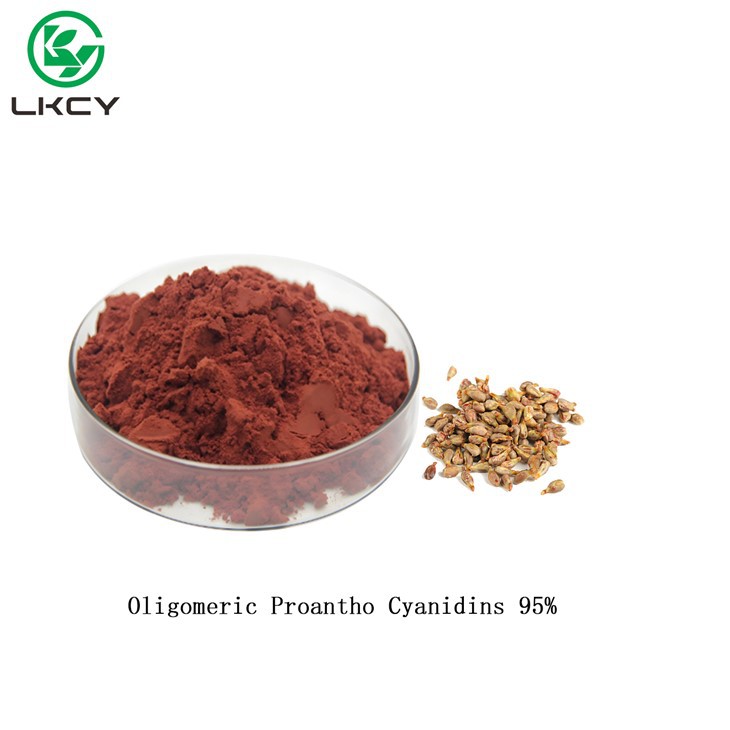

Oligomeric Proantho Cyanidins are antioxidants found in many plants, especially in grape seeds. They are relatively stable compared to Carotene Powder under certain conditions. Their unique chemical structure provides better resistance to oxidation, and with appropriate storage, they can have a shelf - life of up to 3 - 4 years.
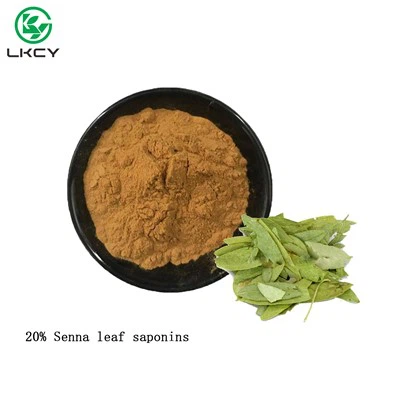
Senna Leaf Extract is commonly used for its laxative properties. This extract is also affected by storage conditions. Moisture can cause mold growth in Senna Leaf Extract, which can significantly shorten its shelf - life. If stored in a dry and cool environment, it usually has a shelf - life of about 2 years.
Importance of Knowing the Shelf - Life
As a supplier, understanding the shelf - life of Carotene Powder is crucial for several reasons. Firstly, it helps us manage our inventory effectively. By knowing how long the product can be stored without significant quality loss, we can optimize our production and supply chain. This ensures that we can provide our customers with fresh and high - quality products at all times.
For consumers, knowledge of the shelf - life is equally important. In the food and cosmetic industries, using expired Carotene Powder can lead to changes in product color, taste, and efficacy. In the pharmaceutical industry, the degradation of carotene can reduce the therapeutic value of the product. Therefore, consumers need to be aware of the expiration date and proper storage methods to ensure the best results.
Ensuring Quality and Extended Shelf - Life
As a responsible supplier, we take several measures to ensure the high quality and extended shelf - life of our Carotene Powder.
1. Quality Control in Production
We use state - of - the - art extraction and purification technologies to obtain high - purity Carotene Powder. During the production process, we conduct strict quality checks at every stage to ensure that the product meets the highest standards. This includes testing for purity, moisture content, and other key parameters.
2. Proper Packaging Solutions
We invest in high - quality packaging materials to protect the Carotene Powder from external factors. Our products are usually packed in sealed aluminum foil bags that provide excellent light and oxygen barrier properties. Some of our larger - volume products are also available in glass bottles for added protection.
3. Storage and Logistics
Our warehouses are equipped with temperature and humidity control systems to ensure that the Carotene Powder is stored under optimal conditions. During transportation, we also take precautions to maintain the integrity of the product. For example, we use insulated containers to protect the powder from temperature fluctuations.
Conclusion
In summary, the shelf - life of Carotene Powder is influenced by various factors such as storage conditions, purity, and packaging. Under optimal conditions, it can last for 2 - 3 years. As a supplier, we are committed to providing high - quality Carotene Powder with a long shelf - life. We use advanced production techniques, high - quality packaging materials, and strict quality control measures to ensure that our products meet the needs of our customers.
If you are interested in purchasing Carotene Powder or have any questions about its shelf - life or other aspects, please feel free to contact us for further discussion. We look forward to establishing a long - term business relationship with you.
References
- Britton, G., Liaaen - Jensen, S., & Pfander, H. (Eds.). (1995). Carotenoids: Volume 1A: Isolation and analysis. Birkhäuser.
- Packer, L., Tritschler, H. J., & Ütley, K. (1999). Alpha - lipoic acid as a biological antioxidant. Free Radical Biology and Medicine, 27(11 - 12), 1129 - 1150.
- Sun, X., & Leopold, A. C. (1993). Factors affecting the stability of soybean seed computed tomograms and respiration. Journal of Experimental Botany, 44(259), 1623 - 1629.