Common industry challenges-such as a tendency to precipitate and low bioavailability-are becoming increasingly prominent. While many active plant ingredients (including flavonoids, polyphenols, terpenoids, and pigments) offer significant benefits, their inherent hydrophobicity and crystalline structures result in poor solubility in water-based systems, severely limiting formulation compatibility and final product quality. Thanks to recent process innovations and scientific breakthroughs, various mature, mass-producible solubilization technologies have been successfully scaled up, offering a key solution to the pain points associated with plant extract applications.
Research data from the food and biomedicine sectors indicates that over 60% of natural active plant ingredients on the market are poorly soluble. Traditional methods-such as hot water extraction or simple solvent mixing-achieve only temporary dispersion; upon standing, these mixtures often suffer from phase separation, precipitation, or turbidity. To address this, the industry is focusing on four main approaches: physical modification, formulation-based encapsulation, process optimization, and synergistic compounding. These methods offer cost-effective, high-efficiency ways to enhance solubility, and all have been validated for mass production, making them adaptable to diverse manufacturing scenarios and raw material characteristics.
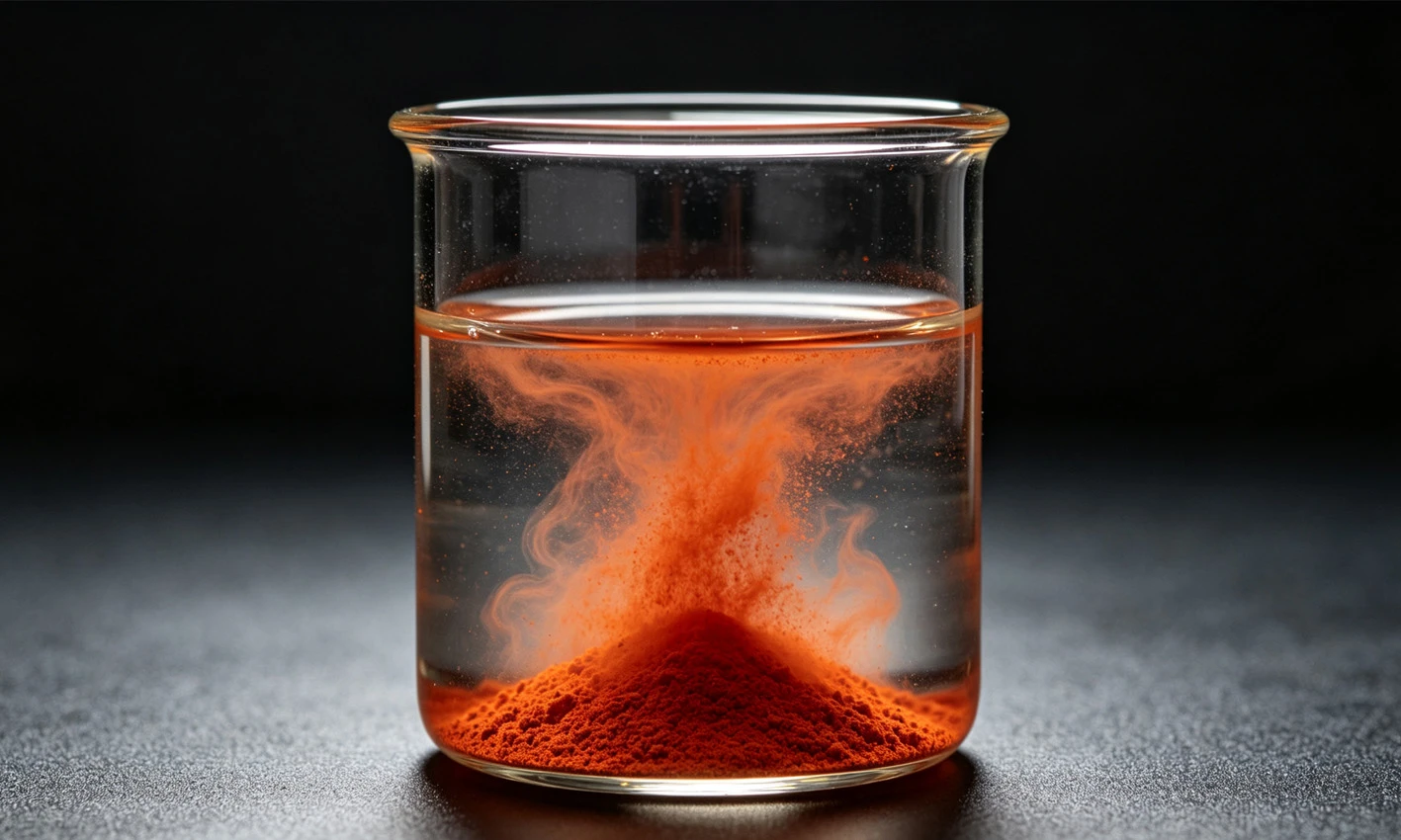
Physical modification is the most widely used and cost-effective solubilization method in industrial production. Its core principle involves altering the physical form of the extract to increase specific surface area, disrupt dense crystalline structures, and weaken intermolecular hydrophobic forces. Among these techniques, ultrafine grinding, high-pressure homogenization, and ultrasonic treatment are the most mature. Compared to conventional grinding, ultrafine grinding reduces particle size to the micron level, breaking down raw material cell walls and vastly increasing the contact area between active ingredients and the solvent. Meanwhile, dynamic ultra-high-pressure micro-jet technology utilizes high-pressure shear and impact forces to shatter crystalline particles, allowing poorly soluble components to disperse evenly within the aqueous phase.
Process engineers in the field note that ultrasound-assisted treatment has gained popularity among small and medium-sized enterprises in recent years. Applying ultrasonic treatment at an optimized power level of approximately 400W can effectively improve the water solubility of poorly soluble compounds like curcumin and puerarin; when combined synergistically with natural excipients such as *Lycium barbarum* (goji berry) polysaccharides, the solubilization effect can be increased several-fold. Furthermore, the microwave vacuum drying process preserves the loose, microporous structure of extracts by operating at low temperatures and negative pressure, preventing raw material compaction or clumping. The resulting product exhibits significantly improved rehydration properties-dissolving rapidly in water without leaving noticeable residue-making it ideal for manufacturing high-end products such as solid beverages and Traditional Chinese Medicine (TCM) formula granules.
Inclusion technology is a key high-end method for enhancing the solubility and stability of extracts, widely applied in the biopharmaceutical and premium skincare ingredient sectors; it primarily encompasses three mainstream approaches: cyclodextrin inclusion, solid dispersions, and nanostructured lipid carriers. Recent research published in the journal *Food Science* indicates that β-cyclodextrin-a safe and commonly used inclusion material in the industry-utilizes a molecular nesting structure to encapsulate hydrophobic plant-based active ingredients. This forms a stable inclusion complex that effectively resolves issues related to the precipitation of poorly soluble components without altering the raw material's inherent functional properties.
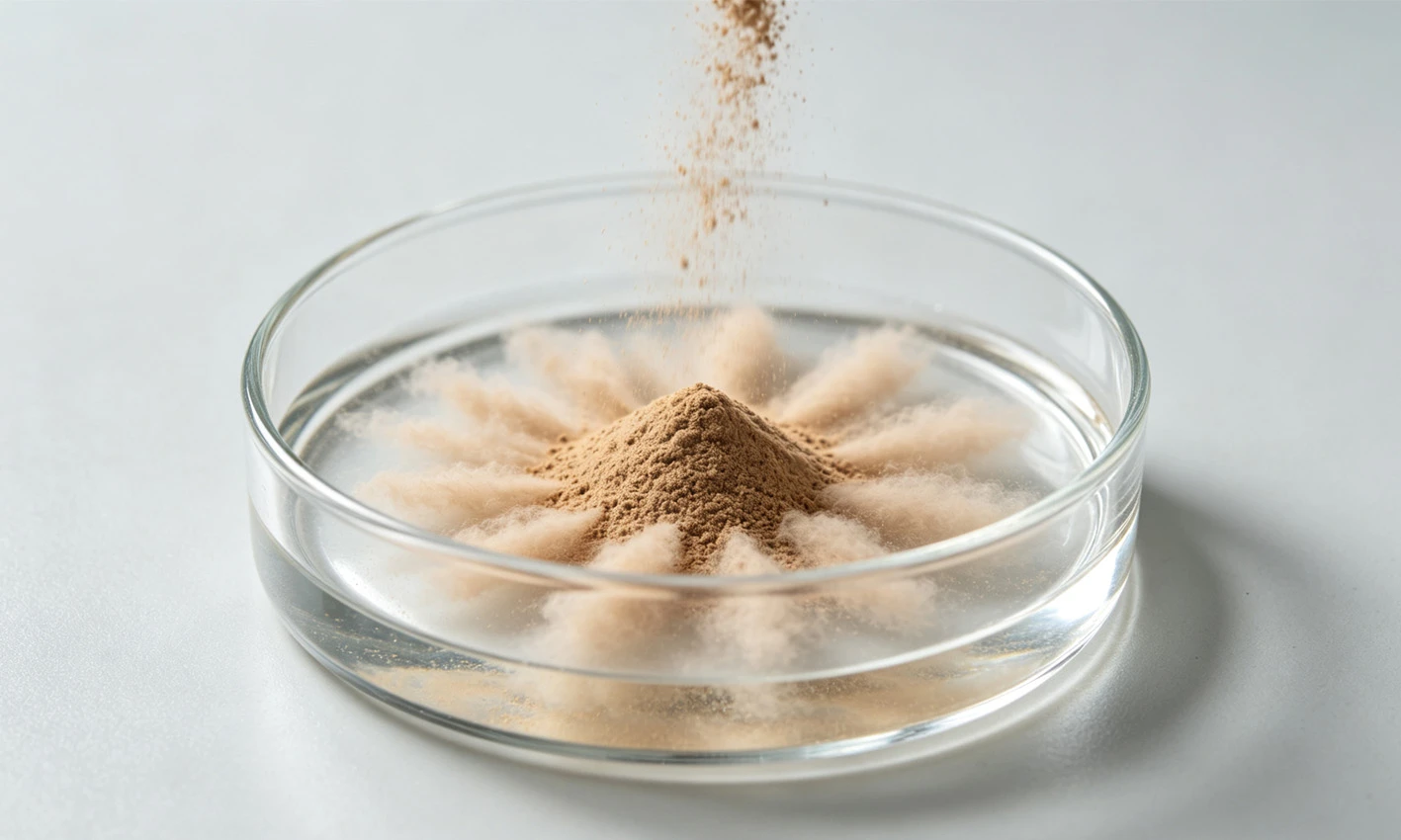
Solid dispersion technology employs processes such as melt methods and solvent methods to transform crystalline extracts into an amorphous state, thereby eliminating the dissolution limitations imposed by crystal structures. Studies show that this technique significantly accelerates the dissolution rates of poorly soluble extracts like curcumin, cannabidiol (CBD), and lutein. When combined with carriers such as hydroxypropyl methylcellulose (HPMC) or glucosyl stevioside, it creates a stable network structure that balances high solubility with long-term storage stability. Meanwhile, nanostructured lipid carrier technology encapsulates active ingredients within a solid-liquid lipid mixture, offering simultaneous benefits of solubilization, antioxidation, and resistance to degradation-making it well-suited for the solubilization and modification of heat-sensitive plant extracts.
Chemical modification and synergistic compounding technologies offer customized solubilization solutions for particularly recalcitrant plant extracts. For active ingredients characterized by extremely low polarity and resistance to modification, the industry employs mild salt formation and co-crystal preparation techniques; by adjusting molecular polarity and optimizing crystal configurations, water solubility is improved at the fundamental level. Notably, a research team successfully prepared a co-amorphous system of puerarin using nicotinamide as a ligand, effectively overcoming raw material lattice constraints and dramatically enhancing its water solubility. Meanwhile, compliant compounding technologies utilizing food-grade and cosmetic-grade surfactants can reduce water-oil interfacial tension at low dosage levels (1%–10%), achieving uniform dispersion of hydrophobic extracts while balancing solubilization efficacy with product safety.
Visits to various plant-based raw material manufacturers reveal that the industry has moved away from single-method solubilization processes, gradually adopting a combined process system characterized by "physical pretreatment, formulation modification, and precision compounding." Selection strategies are tailored to the specific characteristics of different raw materials: low-cost physical processes-such as ultrasonication and high-pressure homogenization-are prioritized for bulk food ingredients; cyclodextrin inclusion and solid dispersion technologies are employed for high-end pharmaceutical and skincare ingredients; and microwave low-temperature drying and nanolipid carrier technologies are utilized for heat-sensitive or oxidation-prone materials, ensuring solubility while maximizing the retention of the plant extracts' bioactive efficacy.
Industry analysts note that as consumer demand for natural and eco-friendly products continues to rise, highly soluble and stable plant extracts are poised to become the market mainstream. Moving forward, the industry will drive the evolution of solubilization technologies toward streamlined, cost-effective solutions-optimizing process parameters and lowering equipment barriers-while promoting the practical application of natural excipient compounding and green modification techniques. By reducing reliance on chemical additives, these advancements will better align plant extracts with the industrialization needs of sectors such as holistic health, beauty and cosmetics, and functional foods.
Shaanxi Lvke Chunyuan Biotechnology Co., Ltd.
Our address
Huaxia Yue World, Weibin District, Baoji City, Shaanxi Province,china
Phone Number
86-13992760792( Grace liu Sales manager )
sales04@lucynatural.com