Both cytisine and matrine are natural alkaloids extracted from plants in the Fabaceae (legume) family. Widely used in biopesticides and pharmaceutical research, they often coexist in medicinal plants such as *Sophora flavescens* (Kushen) and *Sophora tonkinensis* (Shandougen), leading many industry practitioners to confuse the two. In reality, however, these compounds differ fundamentally in chemical structure, mechanism of action, toxicity, application scope, and usage guidelines. This article provides a comprehensive breakdown of their key differences, drawing on industry standards and scientific research data.
I. Differences in Chemical Structure and Plant Sources
Although both are natural alkaloids, they differ significantly in structural classification and primary plant sources-differences that underpin the variations in their respective efficacies.
Powerful Solutions For Business Growth
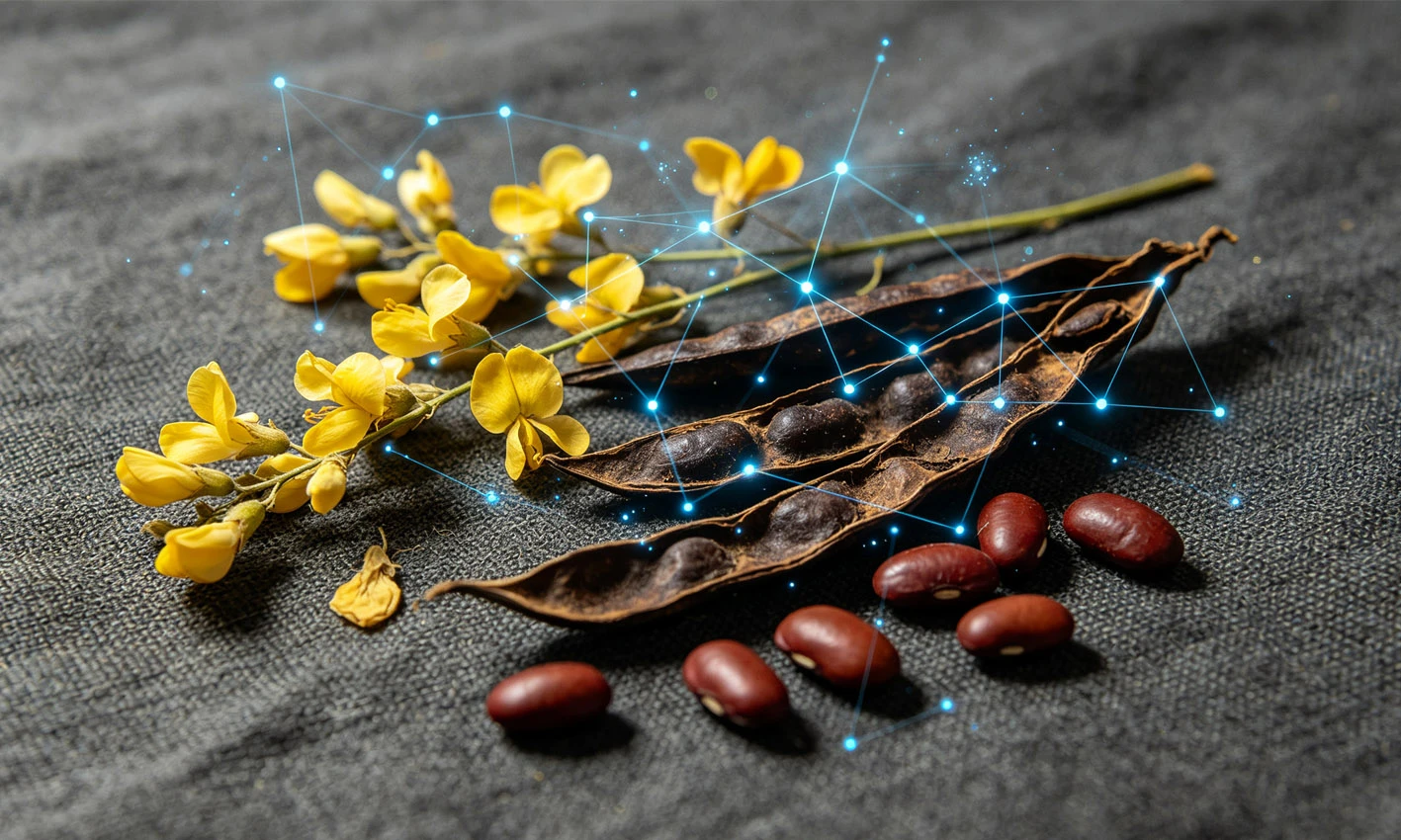
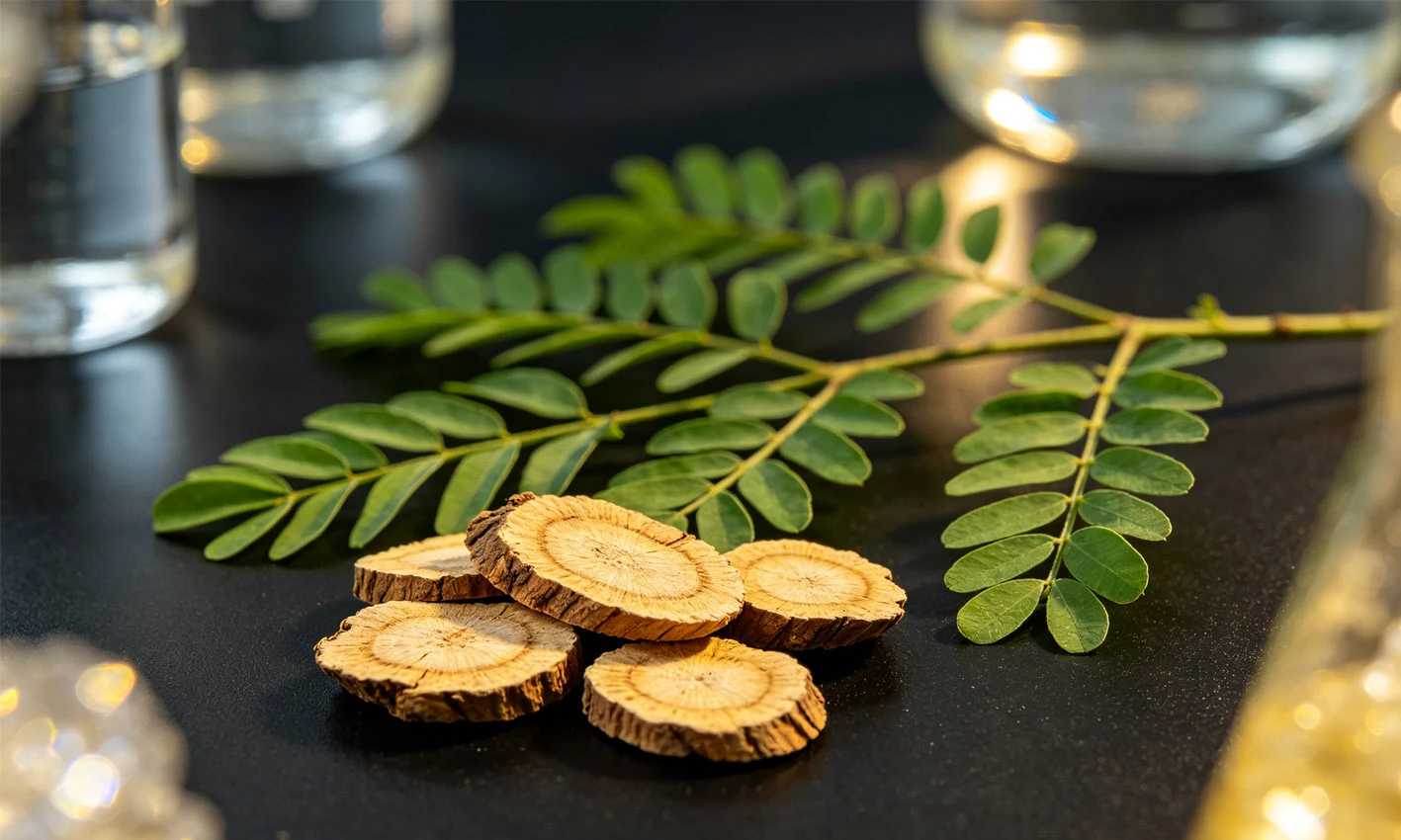
Matrine is a quinolizidine alkaloid; its core structure consists of two piperidine rings fused via a shared nitrogen atom. It is chemically stable and serves as a key characteristic active ingredient in *Sophora flavescens* and *Sophora tonkinensis*, where it is present in high concentrations; it is also the primary active component in commercial matrine-based biopesticides. Standard analytical data shows that the matrine content in *Sophora tonkinensis* is far higher than that of cytisine-approximately three times the amount.
Cytisine (also known as baptitoxine) is an indolizidine alkaloid. Its structure features a heterocyclic framework formed by the fusion of a pyrrolidine ring and a piperidine ring, making its skeletal structure completely different from that of matrine. It typically exists as a minor co-occurring compound in *Sophora flavescens* and *Sophora tonkinensis* (present in very low concentrations) but is abundant in plants such as *Cytisus scoparius* (Scotch broom) and *Thermopsis* species. It is not a signature active ingredient of *Sophora flavescens*, though derivatives such as N-methylcytisine are also commonly found.
II. Significant Differences in Biological Mechanisms of Action
In agricultural applications, both compounds exhibit insecticidal and antimicrobial properties; however, their target sites, modes of action, and suitable control scenarios differ vastly.
Matrine primarily targets the insect nervous, respiratory, and metabolic systems. Its core mechanism involves blocking sodium ion channels in nerve cells and inhibiting Na⁺/K⁺-ATPase activity, thereby disrupting nerve signal transmission. Simultaneously, it impedes the pest's respiratory metabolism, ultimately causing paralysis, asphyxiation, and death. It acts gently with a gradual onset, combining contact-killing activity with weak stomach-poisoning effects. It boasts a broad insecticidal spectrum, effective against pests such as aphids, spider mites, cabbage worms, and thrips, while also inhibiting certain fungal diseases.
Cytisine is a classic nicotinic acetylcholine receptor agonist. It primarily targets receptors at insect nerve synapses; by over-activating these receptors, it causes continuous neuronal excitation and spasms, ultimately leading to rapid death. Its speed of action is far superior to that of matrine, and it is more targeted, demonstrating an outstanding knockdown effect on pests with piercing-sucking mouthparts. However, it has a relatively narrow insecticidal spectrum and lacks significant antimicrobial activity, focusing exclusively on pest control.
III. Differences in Toxicity and Safety
Differences in toxicity among natural alkaloids are a key reference point for industrial application. Data from multiple toxicological studies clearly indicate a distinct gradient in toxicity between the two.
Matrine is classified as a low-toxicity alkaloid with a high safety profile for humans, livestock, birds, and aquatic organisms. When used at standard, compliant dosages, it leaves no residues and causes no phytotoxicity, meeting the standards for green agriculture and organic farming. It is currently the most widely registered and applied botanical pesticide ingredient in China, suitable for use throughout the growth cycles of various fruits, vegetables, and grain crops.
Cytisine is significantly more toxic than matrine; toxicological rankings show the order as Cytisine > Sophocarpine > Matrine > Oxymatrine, placing it in the category of moderately toxic alkaloids. This compound acts as an irritant to the mammalian nervous system; excessive ingestion can easily trigger adverse reactions such as dizziness and spasms. Consequently, its agricultural application is subject to stricter controls-dosage must not be arbitrarily increased-and it is unsuitable for use on leafy vegetables or melons and fruits nearing harvest. In the medical field, cytisine usage requires strict dosage control; it is primarily used as a smoking cessation aid and in neurological research, with abuse strictly prohibited.
IV. Differences in Agricultural Application and Product Registration
Currently, there is a vast disparity between the two regarding industrialization levels, product specifications, and application scenarios within the domestic biopesticide market. Matrine is a mainstream, commercially available botanical pesticide active ingredient with mature industrialization technology. It holds over a hundred domestic pesticide registrations and is available in various formulations-such as aqueous solutions, emulsifiable concentrates, and soluble powders-at concentrations of 0.3%, 0.5%, and 1%. Widely used on crops including vegetables, fruit trees, tea, and medicinal herbs, it controls insect pests and aids in managing fungal diseases, serving as a core agent in green pest control strategies.
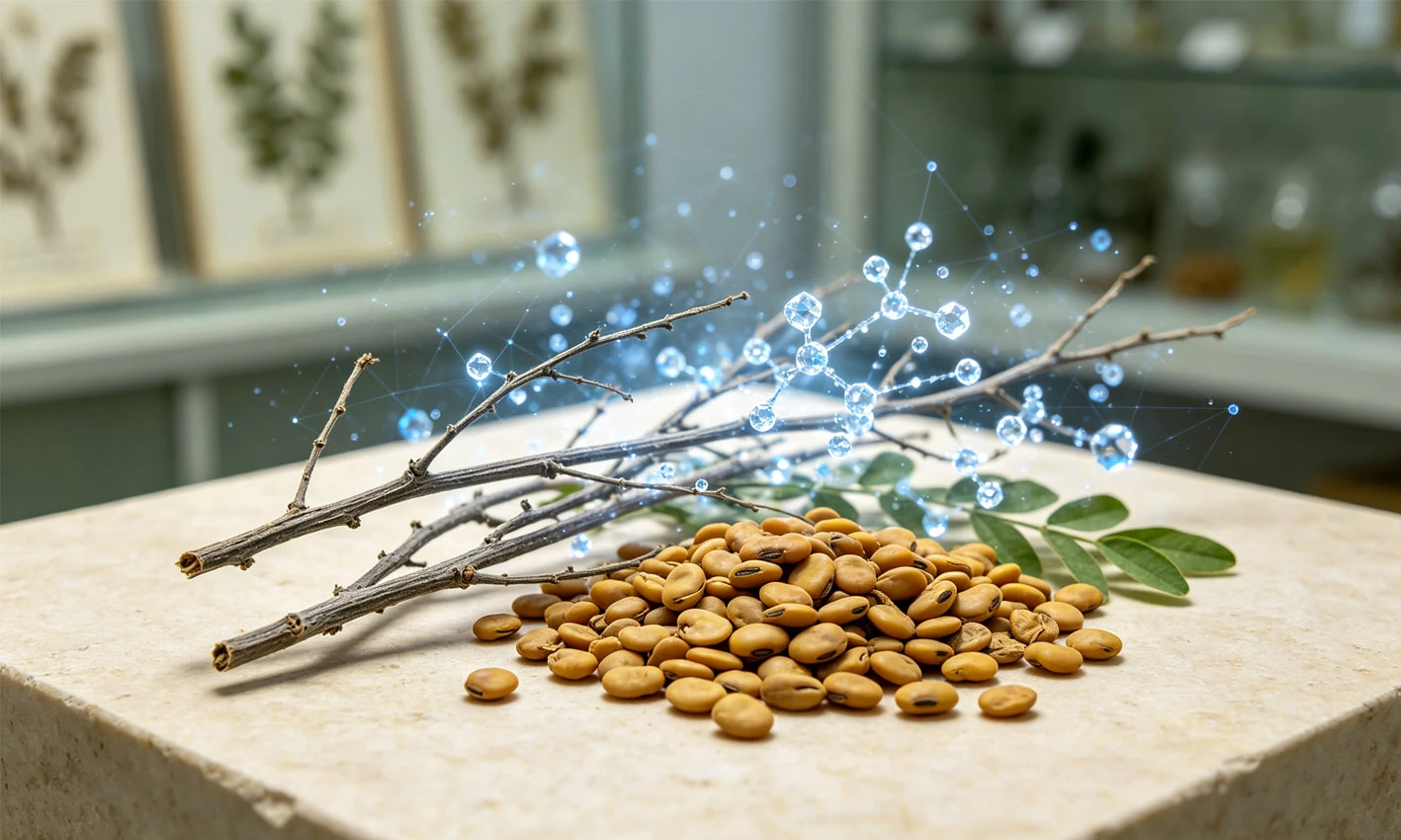
Cytisine sees very limited industrial application, with no mainstream, large-scale registered pesticide products currently available. Due to factors such as low natural content, high extraction costs, and strict toxicity regulations, it is used only in small quantities for scientific research and the development of niche crop protection formulas; it has not achieved market-wide adoption and is rarely used in isolation in routine agricultural production. Some commercial compound matrine formulations contain trace amounts of cytisine, but this is merely a naturally co-extracted component rather than an intentionally added active ingredient.
V. Summary of Key Differences
In short, matrine is a mainstream crop protection ingredient that is broad-spectrum, low-toxicity, compliant, and widely used; it offers both insecticidal and antimicrobial properties, high safety, and a broad application range. In contrast, cytisine is a highly active, highly toxic, and niche co-occurring alkaloid; while it offers rapid knockdown effects, it has a poor safety profile and limited applications, with no mainstream commercial pesticide products available.
When purchasing and using pesticides, farmers and industry professionals need not specifically seek out cytisine; for standard green cultivation and pest control, compliant matrine formulations are the preferred choice. Relying on matrine avoids the risks of improper application, crop phytotoxicity, or residue issues that could arise from confusing the two ingredients.
Shaanxi Lv Ke Chun Yuan Biotechnology Co., Ltd
Our address
Huaxia Yue World, Weibin District, Baoji City, Shaanxi Province
Phone Number
+86-13571783771