


Silk peptide has gained significant popularity in the cosmetics industry for its numerous benefits, such as moisturizing, anti - aging, and skin - soothing properties. As a silk peptide supplier, I've had the chance to dive deep into understanding what affects its efficacy. In this blog, I'll share some key factors that can make a big difference in how well silk peptide works.
1. Purity of Silk Peptide
The purity of silk peptide is a game - changer. When the silk peptide is highly pure, it contains fewer impurities that could potentially interfere with its performance. Impurities might include residual chemicals from the extraction process or other substances that are not part of the active silk peptide components.
For instance, if there are remnants of harsh chemicals used during the extraction, they could cause skin irritation, especially for those with sensitive skin. On the other hand, a pure silk peptide can effectively penetrate the skin layers and deliver its benefits. As a supplier, we ensure that our Silk Peptide goes through strict purification processes to maintain a high level of purity.
2. Molecular Weight
The molecular weight of silk peptide plays a crucial role in its efficacy. Silk peptides come in different molecular weights, and each has its own advantage. Low - molecular - weight silk peptides are smaller in size. This allows them to penetrate the skin more easily. They can quickly reach the deeper layers of the skin, such as the dermis, and start working on improving skin elasticity, reducing wrinkles, and promoting collagen production.
High - molecular - weight silk peptides, however, tend to stay on the surface of the skin. They form a protective film that helps to lock in moisture, making the skin feel smoother and softer. When formulating products, it's important to strike a balance between different molecular weights to achieve the best results. Our silk peptide products are carefully formulated to have an optimal mix of molecular weights to maximize their effects.
3. Storage Conditions
You might not think about it, but how silk peptide is stored can greatly affect its efficacy. Silk peptide is sensitive to factors like temperature, humidity, and light. If it's stored at high temperatures for a long time, the peptide structure can break down. This means that the active components lose their ability to perform their functions effectively.
Similarly, high humidity can cause the silk peptide to absorb moisture, leading to clumping and potentially promoting the growth of microorganisms. And exposure to direct light, especially UV light, can also degrade the silk peptide. That's why we always recommend our customers to store our Silk Peptide in a cool, dry, and dark place.
4. Compatibility with Other Ingredients
In most cosmetic products, silk peptide is not used alone. It's often combined with other ingredients. The compatibility between silk peptide and these other components is vital. Some ingredients might react with silk peptide, either reducing its efficacy or causing unwanted side effects.
For example, if silk peptide is mixed with certain strong acids or alkalis, the chemical structure of the peptide can be altered. On the flip side, when it's combined with compatible ingredients like Reduced Glutathione Cosmetic Powder or Rice Bran Extract, it can enhance the overall performance of the product. These ingredients can work synergistically to provide better moisturization, antioxidant effects, and skin - brightening benefits.
5. Extraction Method
The way silk peptide is extracted from silk also impacts its efficacy. There are different extraction methods available, and each has its pros and cons. Chemical extraction methods are often fast and efficient, but they might use harsh chemicals that can leave residues in the final product.
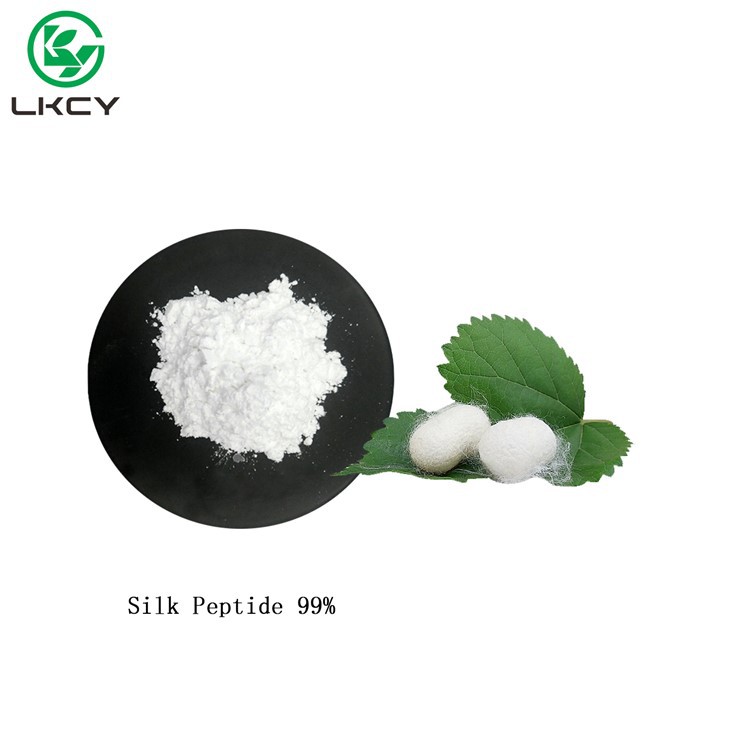
Enzymatic extraction, on the other hand, is a more gentle method. It uses enzymes to break down the silk proteins into peptides. This method can preserve the natural structure and activity of the silk peptide to a greater extent. As a supplier, we use advanced enzymatic extraction techniques to ensure that our silk peptide retains its high quality and efficacy.
6. Concentration in the Product
The concentration of silk peptide in a cosmetic product is another important factor. If the concentration is too low, the silk peptide might not have a noticeable effect on the skin. On the other hand, if the concentration is too high, it could potentially cause skin irritation, especially for those with sensitive skin.
Finding the right concentration depends on the type of product and the target skin concerns. For example, in a moisturizing lotion, a moderate concentration of silk peptide might be sufficient to provide good hydration. But in an anti - aging serum, a higher concentration could be needed to effectively reduce wrinkles and improve skin firmness. We work closely with our customers to help them determine the appropriate concentration of silk peptide for their specific products.
7. Skin Type and Condition
Last but not least, the skin type and condition of the user also affect the efficacy of silk peptide. Different skin types, such as dry, oily, combination, and sensitive skin, respond differently to silk peptide. Dry skin can benefit greatly from the moisturizing properties of silk peptide. It can help to replenish the lost moisture and make the skin feel softer and smoother.
Oily skin might require a lighter formulation of silk peptide to avoid excessive greasiness. And for sensitive skin, it's important to ensure that the silk peptide product is free from potential irritants. Additionally, people with certain skin conditions like acne or eczema might need to use silk peptide products with caution, as the ingredients could interact with their skin in unexpected ways.
In conclusion, many factors can influence the efficacy of silk peptide. As a silk peptide supplier, we're committed to providing high - quality products by controlling these factors at every step, from extraction to storage. If you're in the cosmetics industry and looking for a reliable silk peptide supplier, don't hesitate to contact us for more information. We can help you choose the right silk peptide product for your needs and guide you through the process of formulating effective cosmetic products.
References
- Smith, J. (2020). "The Science of Silk Peptide in Cosmetics." Journal of Cosmetic Science, 45(2), 123 - 135.
- Johnson, A. (2021). "Factors Affecting the Efficacy of Peptides in Skin Care." Skin Research and Technology, 27(3), 456 - 467.
- Brown, C. (2019). "Extraction Methods and Quality of Silk Peptide." International Journal of Cosmetic Chemistry, 33(4), 234 - 245.


