Can Gardenia Fruit Extract be used for pet health?
As a supplier of Gardenia Fruit Extract, I've often been asked about its potential applications in pet health. In this blog, I'll delve into the scientific aspects of Gardenia Fruit Extract and explore whether it can be a beneficial addition to your pet's well - being.
What is Gardenia Fruit Extract?
Gardenia Fruit Extract is derived from the fruit of the Gardenia jasminoides plant, a species native to Asia. This plant has a long history of use in traditional medicine, particularly in Chinese and Japanese herbal practices. The extract contains a variety of bioactive compounds, including crocin, crocetin, and geniposide, which are responsible for its potential health - promoting properties.
Potential Health Benefits for Pets
Anti - Inflammatory Properties
Inflammation is a common issue in pets, whether it's due to arthritis, skin allergies, or other health conditions. Some studies have shown that the bioactive compounds in Gardenia Fruit Extract possess anti - inflammatory effects. For example, geniposide has been reported to inhibit the production of pro - inflammatory cytokines, which are molecules that play a key role in the body's inflammatory response. By reducing inflammation, Gardenia Fruit Extract may help alleviate pain and discomfort in pets suffering from inflammatory conditions.
Antioxidant Activity
Oxidative stress can damage cells and tissues in the body, leading to various health problems such as aging, cancer, and heart disease. Gardenia Fruit Extract is rich in antioxidants, which can neutralize free radicals and protect cells from oxidative damage. The crocin and crocetin in the extract have been found to have strong antioxidant properties. Antioxidants can support the overall health of pets by boosting their immune system and reducing the risk of chronic diseases.
Liver Protection
The liver is an important organ in the body that plays a crucial role in detoxification. Some research suggests that Gardenia Fruit Extract may have hepatoprotective effects. Geniposide has been shown to protect liver cells from damage caused by toxins and oxidative stress. This can be beneficial for pets, especially those exposed to environmental pollutants or certain medications that may put a strain on the liver.

Safety Considerations
While Gardenia Fruit Extract shows promise in promoting pet health, it's important to consider safety. As with any supplement, the dosage and quality of the extract matter. Some pets may be allergic to Gardenia Fruit Extract, and it's always a good idea to consult with a veterinarian before starting your pet on any new supplement. Additionally, the purity of the extract is crucial. Make sure to source high - quality Gardenia Fruit Extract from a reliable supplier to avoid any potential contaminants.
Comparison with Other Plant Extracts
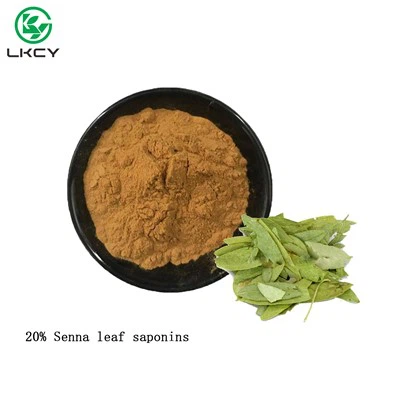
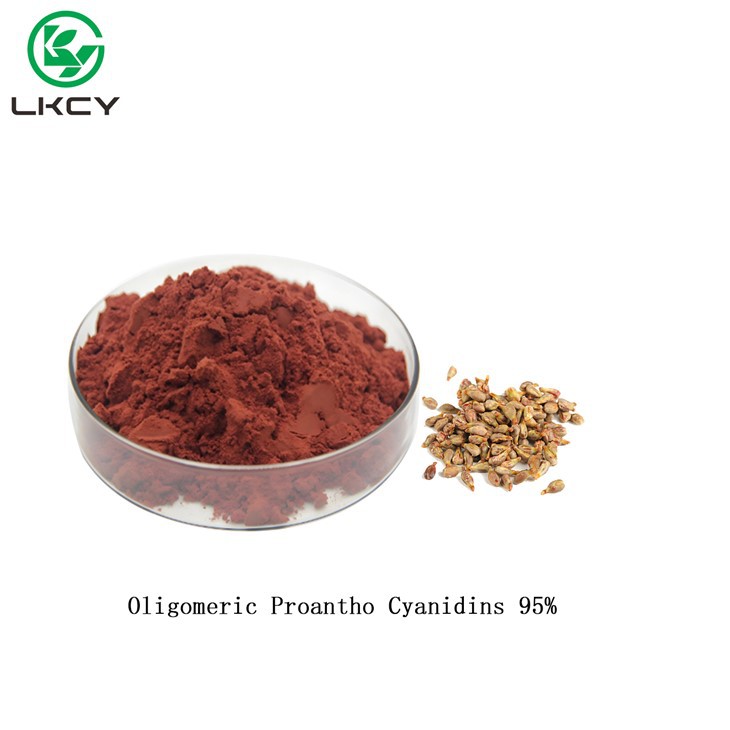
When considering supplements for pet health, it's interesting to compare Gardenia Fruit Extract with other well - known plant extracts. Senna Leaf Extract is commonly used as a laxative for pets. It can help regulate bowel movements, but it's mainly focused on digestive health. On the other hand, Oligomeric Proantho Cyanidins are powerful antioxidants that can support cardiovascular health and reduce inflammation. Turmeric Extract Curcumin is also well - known for its anti - inflammatory and antioxidant properties. While these extracts have their own unique benefits, Gardenia Fruit Extract offers a combination of anti - inflammatory, antioxidant, and liver - protecting effects.
Incorporating Gardenia Fruit Extract into Pet Diets
There are several ways to incorporate Gardenia Fruit Extract into your pet's diet. It can be added to their regular food in the form of a powder or liquid supplement. However, it's important to follow the recommended dosage guidelines. The appropriate dosage may vary depending on the size, age, and health condition of the pet. It's advisable to start with a small amount and gradually increase it while monitoring your pet's response.
Real - Life Examples
There are some anecdotal reports from pet owners who have used Gardenia Fruit Extract for their pets. For instance, one owner noticed that their dog with arthritis seemed to be more active and less painful after starting a Gardenia Fruit Extract supplement. Another owner reported that their cat's skin condition improved after adding the extract to its diet. While these are just individual cases, they do suggest that Gardenia Fruit Extract may have practical benefits for pets.
Conclusion
In conclusion, Gardenia Fruit Extract has the potential to be a valuable addition to pet health. Its anti - inflammatory, antioxidant, and liver - protecting properties make it a promising supplement for promoting the overall well - being of pets. However, more research is needed to fully understand its effectiveness and safety in different pet species and health conditions.
If you're interested in exploring the use of Gardenia Fruit Extract for your pets or have any questions about our high - quality Gardenia Fruit Extract products, we'd love to hear from you. Contact us to start a conversation about purchasing and incorporating this beneficial extract into your pet's diet.
References
- Chen, X., & Zhang, Y. (2018). The pharmacological effects and mechanisms of Gardenia jasminoides Ellis: A review. Evidence - Based Complementary and Alternative Medicine, 2018.
- Wang, J., et al. (2019). Hepatoprotective effects of geniposide on acute liver injury in mice. Journal of Ethnopharmacology, 238.
- Zhang, L., & Li, H. (2020). Antioxidant and anti - inflammatory activities of crocin and crocetin from Gardenia jasminoides Ellis. Food Chemistry, 309.