With the booming global demand for plant-based products, brown rice protein has gradually evolved from a niche raw material to a mainstream formula ingredient. It is a fast-growing product category in the plant protein sector, following soybean and pea protein.
1. Basic Knowledge of Brown Rice Protein
Brown rice protein is a grain protein derived from whole brown rice. It is produced by removing starch, fiber and other components through separation processes and concentrating the protein fraction, belonging to the grain protein category of plant proteins.
Based on protein purity and processing depth, commercial products are mainly divided into three types:
Brown Rice Protein Concentrate: With a protein content of 60%~80%, it retains natural dietary fiber and B vitamins. Featuring high cost performance, it is widely used for nutritional fortification of ordinary food products.
Brown Rice Protein Isolate: With a protein content of 80%~90%, it has fewer impurities and finer powder texture. It is the preferred specification for sports nutrition and high-end meal replacement products.
Hydrolyzed Brown Rice Protein: Macromolecular proteins are decomposed into small molecular peptides via enzymatic hydrolysis. It features faster absorption and ultra-low allergenicity, mainly applied in high-safety scenarios such as infant complementary food and special dietary products.
Nutritionally, brown rice protein is mainly composed of glutelin and prolamin, containing 18 amino acids including all 8 essential amino acids for the human body, with branched-chain amino acids (BCAAs) accounting for approximately 18%~20%. Lysine is its primary limiting amino acid. In practical applications, compounding it with pea protein can achieve amino acid complementation, making its overall amino acid score close to that of whey protein.
Our Products
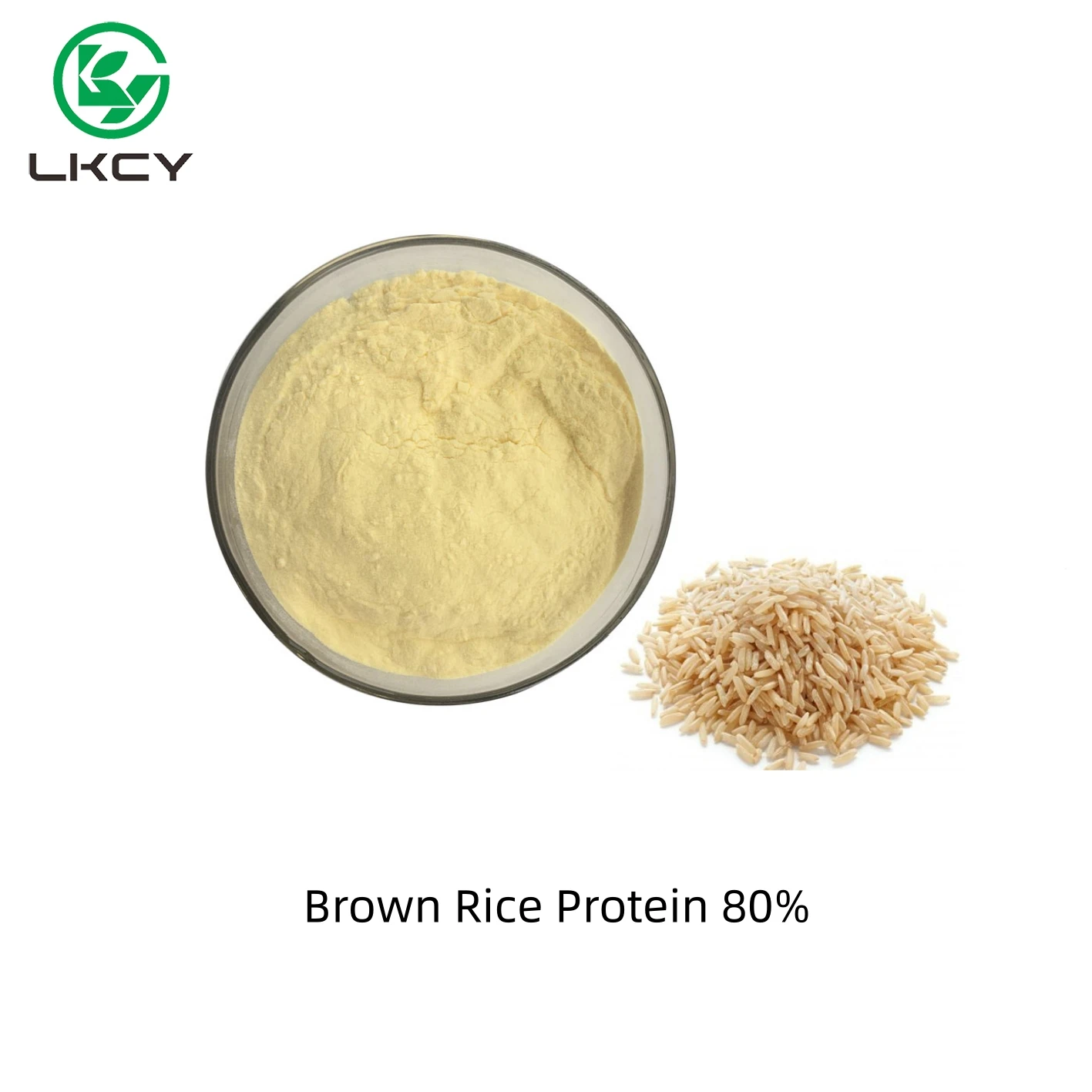
Form:Powder
Packaging :Drum, Aluminum Foil Bag
Part:All
Place of origin:Shaanxi China
Main ingredient:Brown Rice Protein
Specification:80%
2. Core Advantages
Compared with mainstream protein sources such as whey, soybean and pea protein, brown rice protein has distinct differentiated advantages, driving its rapid market penetration:
Ultra-low Allergenicity Brown rice protein is naturally free from the eight major common allergens (dairy, eggs, soybeans, wheat, nuts, peanuts, fish, crustaceans) and gluten. It is safe for people with lactose intolerance, soybean allergy and gluten sensitivity, as well as vulnerable groups such as infants and the elderly.
Easy Digestion with Low Gastrointestinal Burden The in vitro digestibility of brown rice protein exceeds 90%, and hydrolyzed versions offer higher absorption efficiency. Unlike some plant proteins, it rarely causes bloating or indigestion, enjoying high acceptance among people with weak gastrointestinal functions.
Compliant with Clean Label Trends Sourced from natural whole grains, it supports non-GMO and organic certifications. In line with global clean label consumption trends, it enables product claims such as vegan, plant-based and whole-grain sourced, adapting to market preferences in Europe, America, Southeast Asia and other mainstream regions.
Neutral Flavor & Strong Formula Compatibility It has a mild taste with subtle natural grain aroma, without the beany flavor of pea protein or unique milk taste of whey protein. It can be flexibly added to both sweet and savory food formulas without masking the original flavor of products, and reduces the cost pressure of flavor adjustment.
3. Main Application Scenarios
The food and beverage industry accounts for nearly half of the downstream demand for brown rice protein. Meanwhile, its applications have expanded to health supplements, special nutrition, daily chemicals, pet food and other fields:
Food & Beverage Industry: Widely used in plant milk, ready-to-drink protein beverages and meal replacement powder. It is also added to baked and snack foods such as protein bars, energy biscuits, high-protein bread and grain crisps. Additionally, it serves as a protein raw material for plant-based meat, plant yogurt, plant cheese and other plant-based products to enhance protein content and improve texture.
Sports & Nutritional Health Products: Often compounded with pea protein in sports protein powder and mass gainers to optimize amino acid profiles, targeting vegan fitness enthusiasts. It is also a key ingredient in weight management meal replacements and middle-aged and elderly nutritional supplements.
Special Dietary Industry: Hydrolyzed brown rice protein is the core protein source for infant complementary food, special medical formula food and postoperative nutritional supplements.
Daily Chemicals & Pet Food: In the daily chemical industry, brown rice protein peptide has moisturizing, antioxidant and skin-soothing effects, widely used in creams, essences, facial masks and other skincare products. In the pet food sector, it is applied to hypoallergenic pet food and functional snacks to meet the market demand for pet allergy relief.

4. Global Market Status & Trends
According to industry statistics, the global rice protein market size reached approximately USD 197 million in 2025. It is projected to grow at a CAGR of 7.81% from 2026 to 2034, exceeding USD 387 million by 2034, with brown rice protein contributing the majority of market growth.
Three prominent growth trends are observed in market segments: First, organic brown rice protein leads the growth. The global organic rice protein market size was USD 89.4 million in 2024, with an expected CAGR of 14.7% from 2025 to 2032, far higher than the industry average. Demand for organic and non-GMO certified products continues to rise in European and American markets. Second, hydrolyzed products enjoy significant premium margins. Accounting for only 20% of the total market share, hydrolyzed brown rice protein is priced 1.8 to 2.5 times higher than ordinary concentrated protein, with strong demand in medical nutrition and infant food sectors. Third, the Asia-Pacific region has become a new growth engine. In addition to mature markets in North America and Western Europe, plant-based consumption is booming in Southeast Asia, Japan and South Korea. Supported by local rice industry chains, the Asia-Pacific region has become the fastest-growing regional market.
Contact Us
Name:Yvonne Wang
WhatsApp:+86 135 7176 8635
E-mail:sales02@lucynatural.com