Carotene powder is a valuable and widely - used nutritional supplement known for its antioxidant properties and health benefits. As a supplier of carotene powder, I understand the importance of proper storage to maintain its quality and efficacy. In this blog, I will share some essential guidelines on how to store carotene powder correctly.
Understanding the Characteristics of Carotene Powder
Carotene is a fat - soluble pigment that is sensitive to several environmental factors. It can be easily oxidized when exposed to air, light, heat, and moisture. Oxidation not only reduces the potency of carotene but also may lead to the formation of harmful by - products. Therefore, the storage conditions should be carefully controlled to prevent these adverse effects.
Ideal Storage Temperature
Temperature plays a crucial role in the stability of carotene powder. Generally, carotene powder should be stored at a cool temperature. A temperature range of 2 - 8°C (36 - 46°F) is considered ideal. This low - temperature environment slows down the oxidation process and helps preserve the chemical structure of carotene.

If it is not possible to maintain such a low temperature, storing the powder at room temperature (around 20 - 25°C or 68 - 77°F) is acceptable, but it should be done in a well - ventilated area away from direct heat sources. Avoid placing the powder near radiators, stoves, or other heat - generating appliances, as excessive heat can accelerate the degradation of carotene.
Protection from Light
Light, especially ultraviolet (UV) light, can cause significant damage to carotene powder. UV rays can break down the chemical bonds in carotene, leading to a loss of its biological activity. To protect the powder from light, it should be stored in opaque containers. Dark - colored glass or plastic containers are excellent choices as they block out most of the light.
If the powder is stored in a clear container, it should be kept in a dark place, such as a cupboard or a storage room. Avoid leaving the powder in direct sunlight or under bright artificial light for extended periods.
Minimizing Exposure to Air
Air contains oxygen, which is a major factor in the oxidation of carotene. To minimize air exposure, the carotene powder should be stored in air - tight containers. Once the container is opened, make sure to seal it tightly after each use. You can also consider using containers with a desiccant pack to absorb any moisture and reduce the oxygen content inside the container.
If possible, store the powder in a nitrogen - filled environment. Nitrogen is an inert gas that can displace oxygen and prevent oxidation. Some high - end storage facilities use nitrogen flushing techniques to create an oxygen - free environment for storing sensitive substances like carotene powder.
Controlling Moisture
Moisture can cause carotene powder to clump and degrade. High humidity levels can also promote the growth of mold and bacteria, which can contaminate the powder. To keep the powder dry, it should be stored in a low - humidity environment. A relative humidity of less than 60% is recommended.
You can use moisture - absorbing materials, such as silica gel packets, inside the storage container to help control moisture. Additionally, avoid storing the powder in areas prone to high humidity, such as bathrooms or basements.
Compatibility with Other Substances
When storing carotene powder, it is important to consider its compatibility with other substances. Carotene powder should be stored separately from strong oxidizing agents, acids, and alkalis, as these substances can react with carotene and cause its degradation.
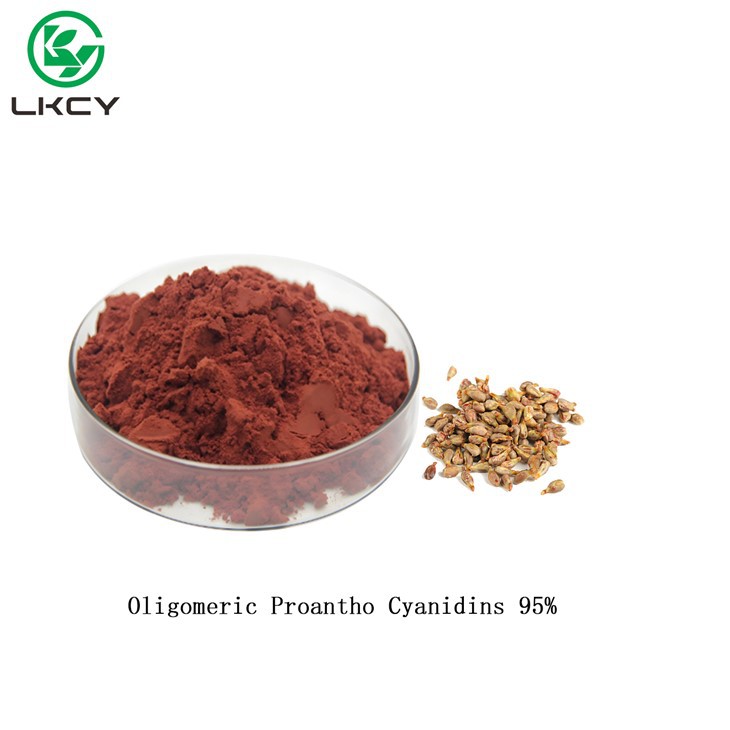
If you are storing multiple types of powders in the same storage area, make sure to keep them well - separated to prevent cross - contamination. For example, if you also supply Astragalus Polysaccharides, Haematococcus Pluvialis Extract Astaxanthin, or Oligomeric Proantho Cyanidins, each product should have its own dedicated storage space.
Labeling and Inventory Management
Proper labeling is essential for storing carotene powder. Each container should be clearly labeled with the product name, batch number, expiration date, and storage instructions. This helps in easy identification and ensures that the powder is used before its expiration date.
Maintaining an inventory management system is also important. Keep track of the quantity of carotene powder in stock, the date of receipt, and the date of use. This allows you to rotate the stock effectively and ensure that the oldest powder is used first.
Monitoring and Quality Control
Regularly monitor the storage conditions of carotene powder. Check the temperature, humidity, and light exposure in the storage area. Use temperature and humidity sensors to ensure that the conditions are within the recommended range.
Periodically test the quality of the carotene powder. Analyze its chemical composition, potency, and purity to ensure that it meets the required standards. If any signs of degradation are detected, such as a change in color, odor, or texture, take appropriate measures, such as discarding the affected powder.
Conclusion
Proper storage of carotene powder is essential to maintain its quality and efficacy. By controlling temperature, protecting from light, minimizing air exposure, and controlling moisture, you can ensure that the powder remains stable and effective. As a supplier, I am committed to providing high - quality carotene powder and can offer further guidance on storage and usage. If you are interested in purchasing carotene powder or have any questions about its storage or other products like Astragalus Polysaccharides, Haematococcus Pluvialis Extract Astaxanthin, or Oligomeric Proantho Cyanidins, please feel free to contact us for more information and to discuss your procurement needs.
References
- Smith, J. (2018). "Stability of Carotenoids in Nutritional Supplements." Journal of Nutritional Science, 12(3), 123 - 135.
- Brown, A. (2020). "Storage Conditions for Fat - Soluble Vitamins and Carotenoids." Food Chemistry, 250, 1234 - 1240.
- Green, C. (2019). "Effect of Light and Oxygen on the Degradation of Carotene." Journal of Agricultural and Food Chemistry, 67(15), 4234 - 4242.