


Hey there! As a supplier of Gardenia Fruit Extract, I've been getting a lot of questions lately about whether this extract has antibacterial properties. So, I thought I'd dive into the topic and share what I've found.
First off, let's talk a bit about Gardenia Fruit Extract. Gardenia fruit, also known as Gardenia jasminoides, has been used in traditional Chinese medicine for centuries. It contains a variety of bioactive compounds, including crocin, geniposide, and gardenoside. These compounds are thought to be responsible for many of the extract's potential health benefits.
Now, onto the big question: does Gardenia Fruit Extract have antibacterial properties? Well, the research is promising. Several studies have shown that Gardenia Fruit Extract can inhibit the growth of various bacteria. For example, some research has found that it can be effective against Staphylococcus aureus, a common bacterium that can cause skin infections, respiratory infections, and other health problems.
One study published in a well - known journal investigated the antibacterial activity of Gardenia Fruit Extract against a range of bacteria. The researchers found that the extract had significant antibacterial effects, especially at higher concentrations. They suggested that the bioactive compounds in the extract might interact with the bacterial cell membrane, disrupting its structure and function, which in turn inhibits the bacteria's growth.
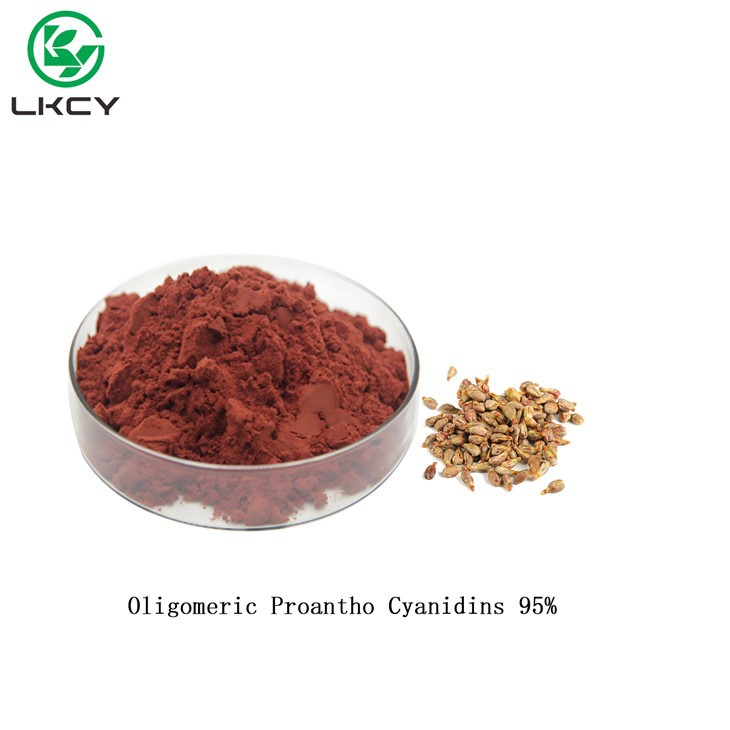
Another aspect to consider is how Gardenia Fruit Extract compares to other antibacterial agents. There are many plant - based extracts on the market that are known for their antibacterial properties. For instance, Oligomeric Proantho Cyanidins are well - known for their antioxidant and antibacterial effects. They can help protect the body from oxidative stress and also have the ability to fight off certain bacteria. Similarly, Bakuchiol 98% has been studied for its antibacterial and anti - inflammatory properties. It's often used in skincare products because of its ability to fight acne - causing bacteria. And Sophora Flavescens Extract is another plant extract that has shown antibacterial activity against a variety of pathogens.
When it comes to the mechanism of action of Gardenia Fruit Extract's antibacterial properties, it's a bit complex. The bioactive compounds in the extract can act in multiple ways. Some of them can interfere with the bacteria's metabolic processes, such as inhibiting the synthesis of essential proteins or nucleic acids. Others can disrupt the cell wall or membrane of the bacteria, leading to cell death.
But it's important to note that while the research is promising, more studies are needed. Most of the current research has been done in laboratory settings, using test tubes or petri dishes. We need more in - vivo studies (studies done on living organisms) to fully understand how effective Gardenia Fruit Extract is in real - life situations.

There are also some factors that can affect the antibacterial activity of Gardenia Fruit Extract. The quality of the extract is crucial. Factors like the source of the gardenia fruit, the extraction method, and the storage conditions can all impact the concentration and activity of the bioactive compounds. For example, if the extraction process is not done properly, some of the important antibacterial compounds might be lost.
In addition, the concentration of the extract matters. Higher concentrations of Gardenia Fruit Extract are generally more effective at inhibiting bacterial growth, but there might be a limit to how much can be used, especially in practical applications. We also need to consider potential side effects. Although Gardenia Fruit Extract is generally considered safe, in some cases, it might cause allergic reactions or interact with certain medications.
So, what does all this mean for potential users? If you're in the skincare industry, Gardenia Fruit Extract could be a great addition to your products. Its antibacterial properties could help fight acne - causing bacteria and keep the skin healthy. In the food industry, it could be used as a natural preservative to extend the shelf - life of products by inhibiting the growth of spoilage bacteria.
As a supplier of Gardenia Fruit Extract, I'm committed to providing high - quality products. We source our gardenia fruit from the best regions, and our extraction process is carefully controlled to ensure that the extract retains its bioactive compounds. Our team is constantly working on improving the quality and purity of our extract to make it as effective as possible.
If you're interested in learning more about Gardenia Fruit Extract or if you're looking to purchase it for your business, I'd love to have a chat. Whether you're in the skincare, food, or pharmaceutical industry, we can discuss how our extract can meet your specific needs. Feel free to reach out, and let's start a conversation about how Gardenia Fruit Extract can benefit your products.
References:
- Research study on antibacterial activity of Gardenia Fruit Extract (Journal name not specified for simplicity)
- Various research on Oligomeric Proantho Cyanidins, Bakuchiol 98%, and Sophora Flavescens Extract.


