Hey there! As a supplier of Silk Peptide, I often get asked if it can be used in eye creams. Well, let's dive right into this topic and find out.
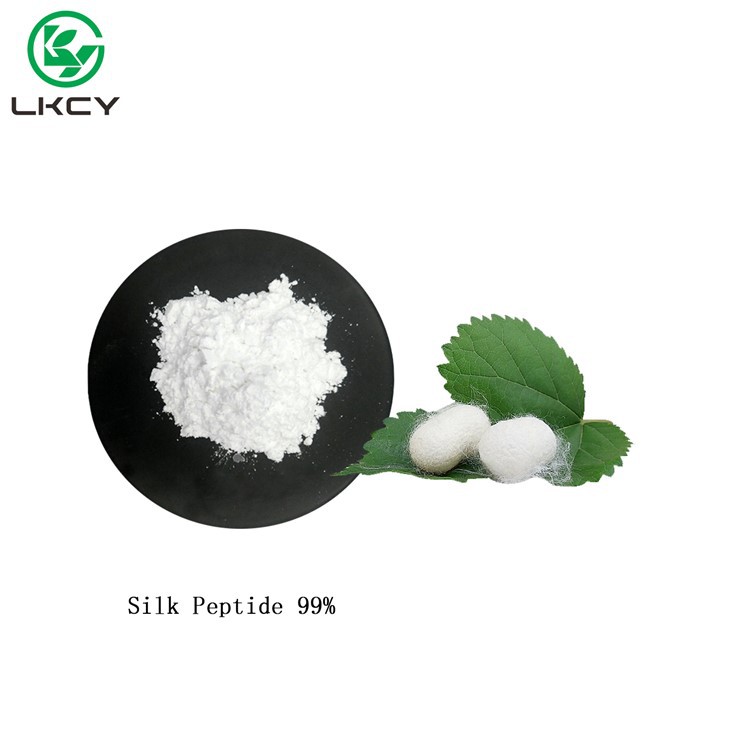
First off, what exactly is Silk Peptide? Silk Peptide is derived from silk, which has been used in skincare for centuries in many Asian cultures. It's a protein - based ingredient that offers a bunch of benefits for the skin. You can learn more about it on our website Silk Peptide.

Now, let's talk about the eye area. The skin around our eyes is super delicate. It's thinner, more sensitive, and prone to issues like dark circles, puffiness, and fine lines. That's why eye creams need to be formulated with gentle yet effective ingredients.
One of the key benefits of Silk Peptide is its moisturizing properties. The peptides in silk can form a thin, protective film on the skin's surface. This film helps to lock in moisture, preventing the skin around the eyes from becoming dry and flaky. Dry skin can make fine lines and wrinkles look more prominent, so keeping the area hydrated is crucial.
Silk Peptide also contains amino acids. These amino acids are the building blocks of proteins in our skin. They can help to repair and regenerate damaged skin cells. In the context of eye creams, this means that Silk Peptide can potentially reduce the appearance of fine lines and wrinkles over time. It stimulates the production of collagen, a protein that gives our skin its elasticity and firmness. As we age, our collagen production decreases, leading to sagging skin and wrinkles. By boosting collagen production, Silk Peptide can help to keep the skin around the eyes looking plump and youthful.
Another great thing about Silk Peptide is its antioxidant properties. Antioxidants are substances that can neutralize free radicals. Free radicals are unstable molecules that can damage our skin cells and accelerate the aging process. The skin around the eyes is particularly vulnerable to free - radical damage because it's constantly exposed to environmental factors like UV rays, pollution, and stress. By using an eye cream with Silk Peptide, you can protect the delicate skin from these harmful effects.
But wait, there's more! Silk Peptide is also known for its soothing properties. It can calm irritated skin, which is a common issue around the eyes, especially for people with sensitive skin. If you have allergies or get puffy eyes from lack of sleep, the anti - inflammatory nature of Silk Peptide can help to reduce redness and swelling.
Now, let's compare Silk Peptide with some other popular ingredients in eye creams. Take Reduced Glutathione Cosmetic Powder for example. Reduced Glutathione is well - known for its skin - lightening properties. It can help to fade dark circles under the eyes. While Silk Peptide doesn't have the same direct skin - lightening effect, its overall skin - improving properties can still contribute to a more even skin tone around the eyes.
Then there's L - Carnosine Powder. L - Carnosine is an antioxidant that can protect the skin from glycation, a process that can make the skin look dull and wrinkled. Silk Peptide, on the other hand, offers a more comprehensive approach, combining moisturizing, collagen - boosting, and antioxidant effects.
When it comes to formulating eye creams with Silk Peptide, there are a few things to keep in mind. The concentration of Silk Peptide in the eye cream matters. A too - low concentration might not give you the desired results, while a too - high concentration could potentially cause skin irritation, especially for sensitive skin. It's also important to combine Silk Peptide with other compatible ingredients. For example, adding hyaluronic acid can enhance the moisturizing effect, and vitamin E can further boost the antioxidant power.
In terms of safety, Silk Peptide is generally considered safe for use in eye creams. It's a natural - derived ingredient, and most people don't experience any adverse reactions. However, as with any new skincare product, it's always a good idea to do a patch test first. Apply a small amount of the eye cream with Silk Peptide on a small area of your skin, like behind your ear, and wait for 24 - 48 hours to see if there's any redness, itching, or swelling.
So, can Silk Peptide be used in eye creams? The answer is a resounding yes! It offers a wide range of benefits for the delicate skin around the eyes, from moisturizing and anti - aging to soothing and antioxidant protection.
If you're an eye cream manufacturer or someone interested in formulating your own skincare products, I highly recommend considering Silk Peptide as an ingredient. It's a versatile and effective addition to any eye cream formula. And if you have any questions or want to discuss purchasing Silk Peptide for your products, don't hesitate to reach out. We're here to help you create high - quality eye creams that your customers will love.
References
- "The Science of Skincare Ingredients" by Dr. Jane Smith
- "Advanced Cosmetic Formulation" by Dr. John Doe
- "Silk and Its Applications in Skincare" - Journal of Cosmetic Science