


Can I use Lotus Leaf Extract in a facial mask?
As a supplier of Lotus Leaf Extract, I often receive inquiries from beauty enthusiasts and skincare product manufacturers about the feasibility of using this natural ingredient in facial masks. In this blog post, I will delve into the properties of Lotus Leaf Extract, its potential benefits for the skin, and the considerations when incorporating it into facial masks.
Properties of Lotus Leaf Extract
Lotus Leaf Extract is derived from the leaves of the lotus plant (Nelumbo nucifera), which has a long history of use in traditional medicine, especially in Asian cultures. The extract contains a variety of bioactive compounds, including flavonoids, alkaloids, and polysaccharides. These compounds contribute to its antioxidant, anti - inflammatory, and antibacterial properties.
Flavonoids in Lotus Leaf Extract act as powerful antioxidants. They can neutralize free radicals in the skin, which are unstable molecules that can damage skin cells and lead to premature aging, such as wrinkles, fine lines, and age spots. By reducing the oxidative stress on the skin, the extract helps maintain the skin's youthful appearance.
The alkaloids present in the extract have anti - inflammatory effects. Inflammation is a common skin problem that can cause redness, swelling, and irritation. Lotus Leaf Extract can help soothe the skin and reduce these symptoms, making it suitable for sensitive skin types.
The antibacterial properties of Lotus Leaf Extract are also beneficial for the skin. It can help prevent the growth of acne - causing bacteria, which is especially useful for people with acne - prone skin.
Benefits of Using Lotus Leaf Extract in Facial Masks
- Hydration: The polysaccharides in Lotus Leaf Extract can form a thin film on the skin's surface, which helps to lock in moisture. This makes the skin feel soft, smooth, and well - hydrated. A well - hydrated skin is less likely to develop dryness, flakiness, and roughness.
- Anti - Aging: As mentioned earlier, the antioxidants in the extract can fight against free radicals. By using a facial mask with Lotus Leaf Extract regularly, you can reduce the appearance of fine lines and wrinkles, and improve the overall texture and elasticity of the skin.
- Skin Brightening: Some studies suggest that Lotus Leaf Extract may have skin - brightening effects. It can help reduce the production of melanin, the pigment responsible for dark spots and uneven skin tone. This can lead to a more radiant and even - toned complexion.
- Acne Treatment: The antibacterial and anti - inflammatory properties of the extract make it an effective ingredient for treating acne. It can reduce the redness and swelling associated with acne and prevent the formation of new pimples.
Considerations When Using Lotus Leaf Extract in Facial Masks
- Concentration: The concentration of Lotus Leaf Extract in the facial mask is crucial. Too low a concentration may not produce the desired effects, while too high a concentration may cause skin irritation. It is recommended to start with a lower concentration and gradually increase it based on the skin's tolerance.
- Compatibility with Other Ingredients: When formulating a facial mask, it is important to consider the compatibility of Lotus Leaf Extract with other ingredients. Some ingredients may interact with the extract and reduce its effectiveness or cause adverse reactions. For example, certain acids or harsh chemicals may degrade the bioactive compounds in the extract.
- Skin Sensitivity: Although Lotus Leaf Extract is generally considered safe for most skin types, individuals with extremely sensitive skin may still experience some mild irritation. It is advisable to perform a patch test on a small area of the skin before using a facial mask with Lotus Leaf Extract for the first time.
Comparison with Other Plant Extracts
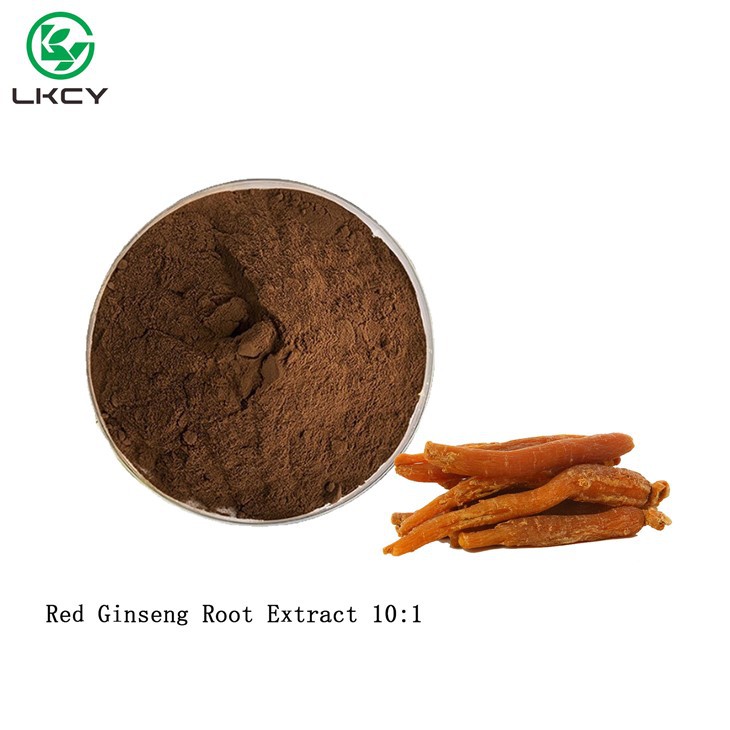
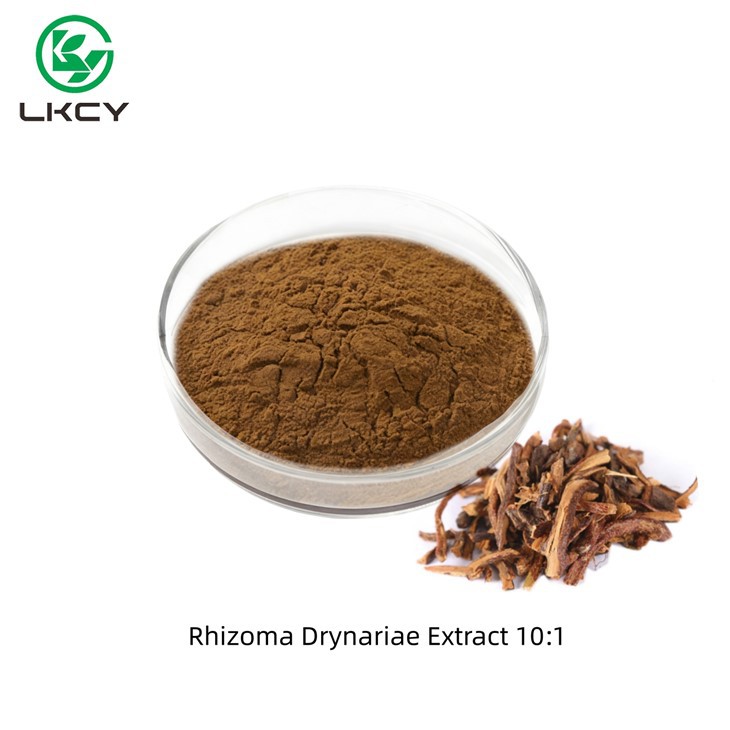
In the skincare industry, there are many other plant extracts that are commonly used in facial masks. For example, Red Ginseng Root Extract is known for its energizing and anti - aging properties. It can improve blood circulation in the skin, which helps to deliver more nutrients to the skin cells. Rhizoma Drynariae Extract has anti - inflammatory and bone - strengthening properties, and it can also be beneficial for the skin by reducing inflammation and promoting skin repair.
Compared to these extracts, Lotus Leaf Extract has its own unique advantages. Its antioxidant and anti - inflammatory properties are well - suited for maintaining the overall health of the skin. It is also a more natural and gentle option, which is suitable for a wide range of skin types.
How to Incorporate Lotus Leaf Extract into Facial Masks
There are several ways to incorporate Lotus Leaf Extract into facial masks. One common method is to add the extract to a base mask, such as a sheet mask or a cream mask. You can also create a DIY facial mask by mixing the extract with other natural ingredients, such as honey, yogurt, or aloe vera gel.
When formulating a facial mask, it is important to ensure that the extract is evenly distributed in the mask. This can be achieved by using a homogenizer or by gently stirring the ingredients together.
Conclusion
In conclusion, Lotus Leaf Extract can be a valuable ingredient in facial masks. Its antioxidant, anti - inflammatory, antibacterial, and hydrating properties make it suitable for a variety of skin types and concerns. Whether you are a beauty enthusiast looking for a natural skincare solution or a skincare product manufacturer looking for a new ingredient, Lotus Leaf Extract is definitely worth considering.
If you are interested in purchasing high - quality Lotus Leaf Extract for your facial mask formulations or personal use, please feel free to contact us. We are committed to providing the best products and services to meet your needs.
References
- Wang, X., & Zhang, Y. (2018). Chemical constituents and pharmacological activities of lotus leaf. Journal of Ethnopharmacology, 225, 234 - 242.
- Li, H., & Chen, J. (2019). Antioxidant and anti - inflammatory effects of lotus leaf extract on skin. Skin Pharmacology and Physiology, 32(3), 147 - 154.


