Curcumin is a yellow substance extracted from the rhizomes of plants such as turmeric (Zingiberaceae family). It is an acidic polyphenol with a main chain consisting of unsaturated aliphatic and aromatic groups. It is commonly used as a coloring agent for meat products and an acid-base indicator, and also possesses anti-inflammatory and antioxidant pharmacological effects.
Its main sources are the tuberous roots of turmeric (Zingiberaceae family); the rhizomes of turmeric; the rhizomes of turmeric; and the rhizomes of calamus (Acorus calamus family).

Pharmacologically, it has three main effects:
First, choleretic: This product or its sodium salt has a choleretic effect. Intravenous injection can reduce the content of solid components in dogs while increasing bile secretion. However, throughout the entire bile secretion cycle, the absolute total amount of bile salts, bilirubin, and cholesterol excreted increases, while the fatty acid composition remains constant.
Second, antibacterial: It has a strong antibacterial effect against Staphylococcus aureus.
Thirdly, oral administration: At a dosage of 5-20 mg per kilogram of body weight, it can inhibit gastric damage in guinea pigs induced by intramuscular injection of 20 mg/kg serotonin. It also has a protective effect against liver damage caused by acetaminophen.
Medically, curcumin can inhibit inflammatory responses, has antioxidant and anti-rheumatoid effects. It possesses antioxidant, anti-inflammatory, anticoagulant, lipid-lowering, anti-atherosclerotic, anti-aging, free radical scavenging, and tumor growth-inhibiting properties. It can also prevent joint swelling and arthritis, and is effective against cardiovascular diseases and cancer.
Traditional Chinese medicine turmeric is also a multi-pronged natural medicine for treating diabetes. Its anti-hyperglycemic properties can improve insulin sensitivity, reduce inflammation, help lower blood sugar, lower glycated hemoglobin levels, and inhibit enzymes related to diabetes. Furthermore, it helps lower cholesterol and triglycerides, which are associated with premature coronary heart disease and atherosclerosis in diabetic patients.
Curcumin not only breaks down amyloid protein in the brains of laboratory mice but also prevents the formation of this protein. Researchers point out that regularly consuming curry may produce similar effects in humans, thus helping to prevent Alzheimer's disease.
Studies have shown that the accumulation of amyloid protein in the brain is one of the main causes of Alzheimer's disease. Curcumin, a key component of curry, has the effect of preventing damage to brain nerve cells and improving their function. Researchers at Duke University in the United States genetically modified mice to produce a large amount of amyloid protein in their brains. The researchers then fed these mice a diet rich in curcumin, and found that the amyloid protein in the mice's brains was broken down. The same diet also prevented the formation of amyloid protein in the mice's brains in adulthood.
As a food additive, curcumin is used for coloring sausage products, canned goods, and braised products. Its usage depends on normal production needs.

Turmeric Extract Curcumin
Details
FROM:Powder
packaging :aluminum foil bags ,Drum
part:root
Season:all
Place of origin:shaanxi china
Main ingredient:Curcumin
MOQ:100G
Delivery time:about 3-5 days
In traditional medicine, turmeric is the main ingredient, a commonly used Chinese medicine. Turmeric contains approximately 3%–6% curcumin and turmeric volatile oil. The *Chinese Materia Medica* states that curcumin is "bitter and pungent in taste; warm in nature; and enters the spleen and liver meridians. It breaks up blood stasis, promotes qi circulation, unblocks menstruation, and relieves pain." The *Chinese Pharmacopoeia* states that it is "used for chest and rib pain, amenorrhea, abdominal masses, rheumatic shoulder and arm pain, and swelling and pain from falls." It also breaks up blood stasis, promotes qi circulation, unblocks menstruation, and relieves pain. It treats abdominal distension and pain, arm pain, abdominal masses, amenorrhea due to blood stasis in women, postpartum abdominal pain due to blood stasis, injuries from falls, and carbuncles.
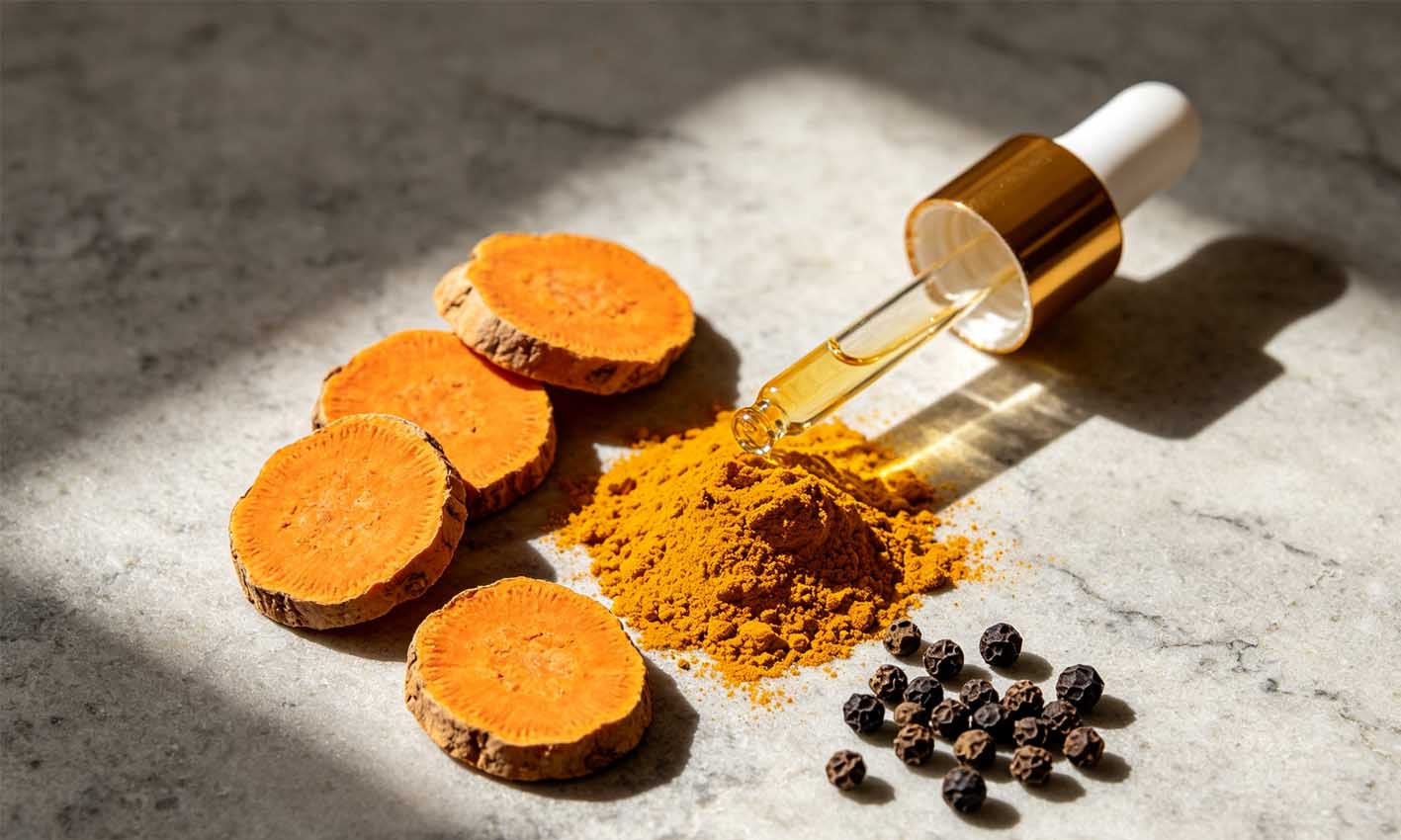
Currently, research on curcumin mainly focuses on its anti-cancer and anti-tumor activities, and its role in preventing and alleviating Alzheimer's disease. Some studies suggest that the effect is greatly enhanced when curcumin is used in combination with piperine.
In terms of consumption, moderate use of curcumin-containing seasonings such as curry and pepper can enhance the body's resistance. Foods such as ginger, mustard, and curry are also rich in curcumin, possessing medicinal and health benefits such as antioxidant, anti-tumor, antibacterial, choleretic, and hepatoprotective properties. However, as a natural plant pigment, curcumin is mainly isolated from traditional Chinese medicines such as turmeric, turmeric root, and turmeric rhizome. Carrots, tomatoes, peppers, and coffee also contain some curcumin.
There is an industrial product called turmeric powder, a seasoning; consuming about 2 grams daily can achieve health benefits.
Drinking a cup of coffee daily, or adding appropriate amounts of ginger, mustard, curry, or pepper when cooking, can all provide us with curcumin and other substances we need.
Shaanxi Lv Ke Chun Yuan Biotechnology Co., Ltd
Our address
Huaxia Yue World, Weibin District, Baoji City, Shaanxi Province
Phone Number
86-13992760792
sales04@lucynatural.com