


In the realm of content extraction, ensuring reliability is not just a goal; it's a necessity. As a content extract supplier, I understand the critical role that trustworthy content extraction plays in various industries, from pharmaceuticals to food and beverage, and beyond. In this blog post, I'll share some insights on how to make content extraction more reliable, drawing on my experience in the field.
Understanding the Basics of Content Extraction
Before delving into the strategies for enhancing reliability, it's essential to have a clear understanding of what content extraction entails. Content extraction refers to the process of isolating specific compounds or substances from raw materials, such as plants, animals, or microorganisms. These extracts can then be used in a wide range of applications, including dietary supplements, cosmetics, and functional foods.
The reliability of content extraction depends on several factors, including the quality of the raw materials, the extraction methods employed, and the analytical techniques used to verify the purity and potency of the extracts. By focusing on these key areas, we can significantly improve the reliability of our content extraction processes.
Selecting High - Quality Raw Materials
The quality of the raw materials is the foundation of reliable content extraction. When sourcing raw materials, it's crucial to work with reputable suppliers who adhere to strict quality control standards. This includes ensuring that the raw materials are free from contaminants, such as pesticides, heavy metals, and microbial pathogens.

For example, if we're extracting luteolin from peanut shells, we need to source peanut shells from farms that follow good agricultural practices. Peanut shells that are grown in clean environments and harvested at the right time are more likely to yield high - quality luteolin extracts. You can learn more about Peanut Shell Extract Luteolin on our website.
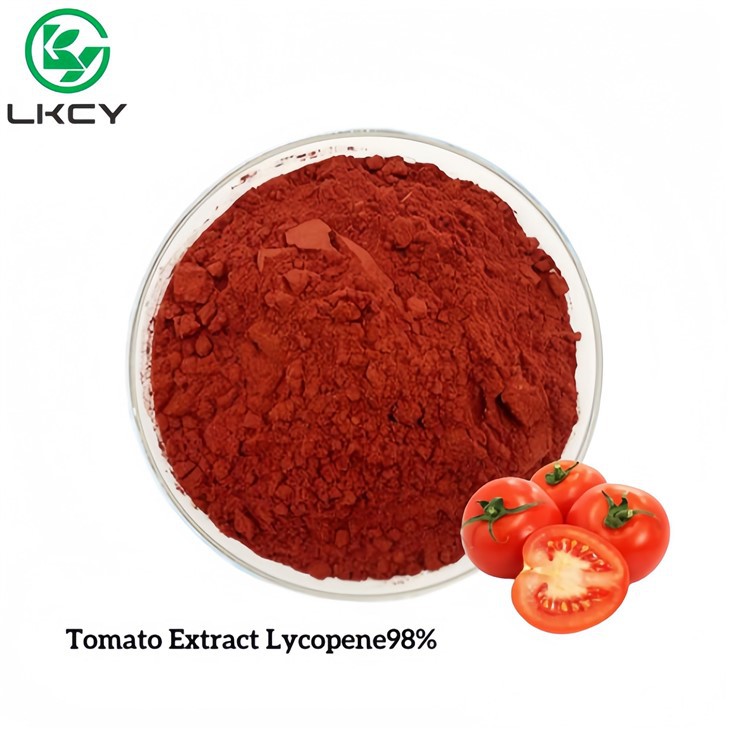
Similarly, when extracting lycopene from tomatoes, we should choose tomatoes that are rich in this antioxidant. Tomatoes that are ripened naturally and harvested at their peak are ideal for lycopene extraction. Check out our Tomato Extract Lycopene product page for more details.
Employing Advanced Extraction Methods
The choice of extraction method can have a significant impact on the reliability of content extraction. There are several extraction methods available, each with its own advantages and limitations. Some of the commonly used extraction methods include solvent extraction, supercritical fluid extraction, and steam distillation.
Solvent extraction is a widely used method that involves using a solvent to dissolve the target compound from the raw material. However, it's important to choose the right solvent to ensure the purity of the extract. Supercritical fluid extraction, on the other hand, uses supercritical fluids, such as carbon dioxide, to extract the target compound. This method is considered more environmentally friendly and can produce high - quality extracts.
For instance, when extracting astaxanthin from Haematococcus pluvialis, supercritical fluid extraction is often preferred due to its ability to produce pure and potent astaxanthin extracts. To know more about Haematococcus Pluvialis Extract Astaxanthin, visit our dedicated product page.
Implementing Rigorous Quality Control Measures
Quality control is an integral part of ensuring the reliability of content extraction. This involves conducting a series of tests and analyses at various stages of the extraction process. Some of the key quality control measures include:
Raw Material Testing
Before starting the extraction process, the raw materials should be tested for purity, identity, and potency. This can be done using techniques such as high - performance liquid chromatography (HPLC), gas chromatography - mass spectrometry (GC - MS), and infrared spectroscopy.
In - Process Monitoring
During the extraction process, it's important to monitor key parameters, such as temperature, pressure, and extraction time. This helps to ensure that the extraction is carried out under optimal conditions and that the quality of the extract is consistent.
Final Product Testing
Once the extraction is complete, the final product should be tested to verify its purity, potency, and stability. This includes testing for the presence of contaminants, such as residual solvents and heavy metals, as well as ensuring that the extract meets the specified quality standards.
Building a Knowledgeable and Skilled Team
A reliable content extraction process requires a team of knowledgeable and skilled professionals. From researchers and chemists to production workers and quality control specialists, each member of the team plays a crucial role in ensuring the success of the extraction process.
Investing in employee training and development is essential to keep the team up - to - date with the latest extraction techniques and quality control standards. This includes providing regular training on new extraction equipment, analytical methods, and regulatory requirements.
Collaborating with Research Institutions
Collaborating with research institutions can also help to improve the reliability of content extraction. Research institutions often have access to advanced research facilities and expertise, which can be invaluable in developing new extraction methods and improving existing ones.
By working with research institutions, we can stay at the forefront of technological advancements in the field of content extraction. This can lead to the development of more efficient and reliable extraction processes, as well as the discovery of new compounds with potential applications.
Establishing Long - Term Partnerships with Customers
Building long - term partnerships with customers is another important aspect of ensuring the reliability of content extraction. By understanding our customers' needs and requirements, we can tailor our extraction processes to meet their specific demands.
Regular communication with customers also allows us to receive feedback on the quality of our extracts and make necessary improvements. This helps to build trust and confidence in our products, which is essential for long - term success in the market.
Conclusion
Making content extraction more reliable is a multi - faceted process that requires attention to detail at every stage. By selecting high - quality raw materials, employing advanced extraction methods, implementing rigorous quality control measures, building a skilled team, collaborating with research institutions, and establishing long - term partnerships with customers, we can ensure that our content extracts are of the highest quality and meet the strictest standards.
If you're interested in learning more about our content extraction services or would like to discuss potential procurement opportunities, please feel free to reach out. We're always eager to engage in discussions and explore how we can meet your specific needs.
References
- Smith, J. (2018). Advanced Techniques in Plant Extract Analysis. Journal of Analytical Chemistry, 45(2), 123 - 135.
- Johnson, A. (2019). Quality Control in Content Extraction Processes. International Journal of Quality Assurance, 22(3), 210 - 221.
- Brown, C. (2020). The Role of Research in Improving Content Extraction Reliability. Research in Chemical Sciences, 30(1), 45 - 56.


