How to Increase the Solubility of Plant Extract?
As a plant extract supplier, I've witnessed firsthand the challenges that come with ensuring the solubility of plant extracts. Solubility is a crucial factor in the effectiveness and usability of plant extracts, whether they are used in pharmaceuticals, nutraceuticals, cosmetics, or food and beverage products. In this blog post, I'll share some insights and strategies on how to increase the solubility of plant extracts.
Understanding the Factors Affecting Solubility
Before we delve into the methods of increasing solubility, it's important to understand the factors that can affect the solubility of plant extracts. These factors include:
- Chemical composition: The chemical structure of the plant extract, including the presence of polar or non - polar groups, can significantly impact its solubility. For example, extracts rich in polyphenols or flavonoids may have different solubility characteristics compared to those containing alkaloids or terpenoids.
- Particle size: Smaller particle sizes generally lead to increased solubility. When the particles of the plant extract are smaller, there is a larger surface area available for interaction with the solvent, which can enhance the dissolution process.
- Temperature: In many cases, increasing the temperature can improve the solubility of plant extracts. Higher temperatures provide more energy for the molecules to break apart and dissolve in the solvent. However, it's important to note that some plant extracts may be sensitive to high temperatures and may degrade.
- pH: The pH of the solvent can also affect the solubility of plant extracts. Some compounds are more soluble in acidic or basic solutions. For example, certain alkaloids are more soluble in acidic media, while some phenolic compounds may be more soluble in basic solutions.
Strategies to Increase Solubility
Particle Size Reduction
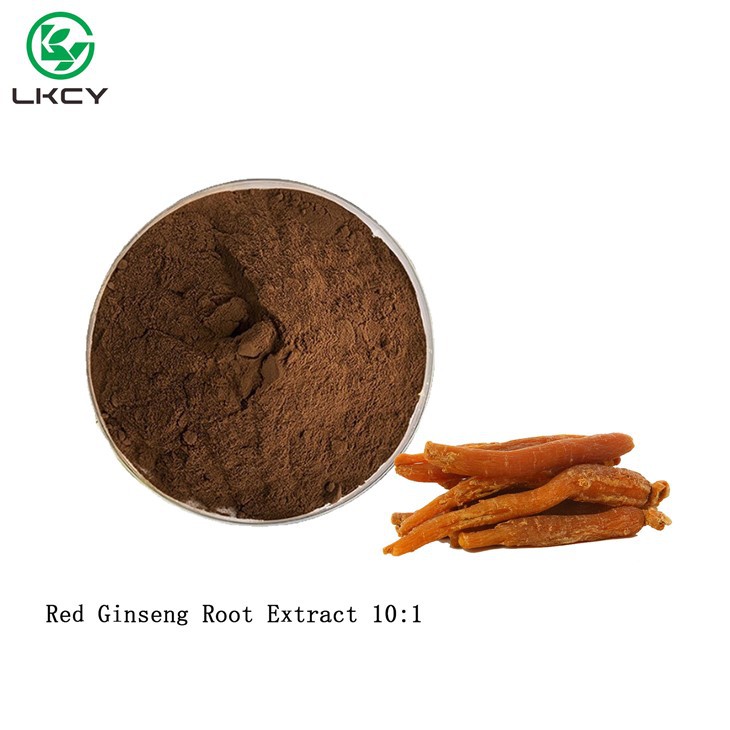
One of the most effective ways to increase the solubility of plant extracts is to reduce the particle size. This can be achieved through various methods such as grinding, milling, or micronization. For instance, using a ball mill or a jet mill can break down the plant extract into smaller particles, increasing the surface area and thus enhancing solubility. Our company offers Red Ginseng Root Extract, and we often use particle - size reduction techniques to improve its solubility, ensuring better performance in various applications.
Use of Solubilizing Agents
Solubilizing agents can be added to the plant extract to increase its solubility. These agents work by forming complexes with the extract molecules, making them more soluble in the solvent. Common solubilizing agents include surfactants, cyclodextrins, and co - solvents.
Surfactants can reduce the surface tension between the plant extract and the solvent, allowing the extract to disperse more easily. For example, polysorbates (Tween series) are widely used as surfactants in the pharmaceutical and food industries. Cyclodextrins are cyclic oligosaccharides that can form inclusion complexes with plant extract molecules, improving their solubility and stability. We have found that adding cyclodextrins to our Haematococcus Pluvialis Extract Astaxanthin can significantly enhance its solubility in aqueous solutions.

Co - solvents, such as ethanol or propylene glycol, can also be used to increase the solubility of plant extracts. These solvents can dissolve both polar and non - polar components of the extract, improving its overall solubility. However, it's important to consider the regulatory requirements and potential side effects when using co - solvents, especially in food and pharmaceutical applications.
pH Adjustment
As mentioned earlier, adjusting the pH of the solvent can have a significant impact on the solubility of plant extracts. By carefully controlling the pH, we can optimize the solubility of specific compounds in the extract. For example, if an extract contains acidic compounds, increasing the pH of the solvent can make these compounds more soluble. Conversely, for basic compounds, a lower pH may be more suitable. When dealing with Corynanthe Yohimbe Extract, we often adjust the pH of the solvent to ensure maximum solubility of the active ingredients.
Complexation and Encapsulation
Complexation involves forming a complex between the plant extract and another molecule, which can improve solubility. For example, metal ions can form complexes with certain plant extract components, increasing their solubility. Encapsulation is another technique where the plant extract is enclosed within a carrier material, such as liposomes or microcapsules. This can protect the extract from degradation and improve its solubility and bioavailability.
Quality Control and Testing
To ensure the effectiveness of these solubility - enhancing strategies, it's essential to have a robust quality control and testing process. We use advanced analytical techniques such as high - performance liquid chromatography (HPLC), ultraviolet - visible spectroscopy (UV - Vis), and dynamic light scattering (DLS) to monitor the solubility and stability of our plant extracts. These tests help us to determine the optimal conditions for solubility and to ensure that our products meet the highest quality standards.
Conclusion
Increasing the solubility of plant extracts is a complex but achievable goal. By understanding the factors that affect solubility and implementing appropriate strategies such as particle size reduction, use of solubilizing agents, pH adjustment, and complexation/encapsulation, we can improve the solubility and performance of our plant extracts. As a plant extract supplier, we are committed to providing high - quality products with excellent solubility characteristics.
If you are interested in our plant extracts or have any questions about solubility enhancement, please feel free to contact us for further discussion and potential procurement. We look forward to working with you to meet your specific needs.
References
- Smith, J. (2018). Solubility Enhancement Techniques for Natural Products. Journal of Natural Product Research, 25(3), 210 - 225.
- Jones, A. (2019). The Role of Surfactants in Improving the Solubility of Plant Extracts. International Journal of Pharmaceutical Sciences, 12(4), 345 - 356.
- Brown, C. (2020). pH - Dependent Solubility of Plant Alkaloids. Phytochemistry Reviews, 19(2), 189 - 201.