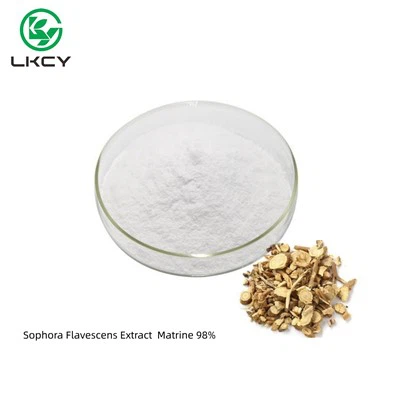
As a plant extract supplier, ensuring the stability of our products is of utmost importance. The stability of plant extracts directly impacts their quality, efficacy, and shelf - life. In this blog, I will share several strategies on how to improve the stability of plant extracts, drawing from our experiences in the industry.
Understanding the Factors Affecting Plant Extract Stability
Before discussing the improvement methods, it's essential to understand the factors that can influence the stability of plant extracts. These factors can be broadly categorized into physical, chemical, and biological aspects.
Physical Factors
- Temperature: High temperatures can accelerate chemical reactions and cause the degradation of active components in plant extracts. For example, heat can lead to the oxidation of phenolic compounds, which are common in many plant extracts. On the other hand, extremely low temperatures may cause precipitation or phase separation of certain components.
- Light: Exposure to light, especially ultraviolet (UV) light, can trigger photochemical reactions in plant extracts. This can result in the breakdown of sensitive compounds, such as flavonoids and alkaloids, leading to a loss of their biological activity.
- Humidity: Moisture can promote the growth of microorganisms and cause hydrolysis of some chemical bonds in plant extracts. High humidity levels can also lead to the caking of extract powders, reducing their flowability and stability.
Chemical Factors
- Oxidation: Oxidation is one of the most common causes of degradation in plant extracts. Oxygen in the air can react with unsaturated fatty acids, polyphenols, and other active ingredients, leading to the formation of peroxides and other oxidation products. This not only affects the color and odor of the extract but also reduces its bioactivity.
- pH: The pH value of the extract solution can significantly influence the stability of plant extracts. Some compounds are more stable under acidic conditions, while others are more stable under alkaline conditions. Deviations from the optimal pH range can cause chemical reactions such as hydrolysis and isomerization.
- Metal Ions: Metal ions, such as iron, copper, and zinc, can act as catalysts for oxidation reactions in plant extracts. They can accelerate the breakdown of active components and cause discoloration and precipitation.
Biological Factors
- Microbial Contamination: Microorganisms, such as bacteria, fungi, and yeasts, can grow in plant extracts if the storage conditions are not properly controlled. Microbial growth can lead to the production of toxins, the degradation of active ingredients, and the spoilage of the extract.
Strategies to Improve Plant Extract Stability
Raw Material Selection and Quality Control
- Source Selection: Choose high - quality plant materials from reliable sources. The quality of the raw material directly affects the quality and stability of the final extract. For example, plants grown in clean environments with proper cultivation practices are less likely to be contaminated with pesticides, heavy metals, and other pollutants.
- Harvesting Time: The harvesting time of plants can also impact the stability of the extract. Different plant parts may have different optimal harvesting times to ensure the highest content of active ingredients. For example, some plants are best harvested at a specific growth stage when the concentration of bioactive compounds is at its peak.
- Raw Material Storage: Proper storage of raw materials is crucial to maintain their quality. Store plant materials in a cool, dry, and dark place to prevent moisture absorption, mold growth, and oxidation.
Extraction Process Optimization
- Solvent Selection: The choice of extraction solvent can affect the stability of the extract. Different solvents have different polarities and solubilities, which can influence the extraction efficiency and the stability of the extracted compounds. For example, ethanol is a commonly used solvent for plant extraction because it can dissolve a wide range of compounds and has relatively low toxicity.
- Extraction Conditions: Optimize the extraction conditions, such as temperature, time, and pressure, to minimize the degradation of active ingredients. For example, using low - temperature extraction methods can reduce the thermal degradation of heat - sensitive compounds.
- Purification and Concentration: After extraction, purify the extract to remove impurities and unwanted substances. This can improve the stability of the extract by reducing the potential for chemical reactions and microbial growth. Concentration of the extract can also increase the stability by reducing the water content and the volume of the extract.
Packaging and Storage
- Packaging Material: Choose appropriate packaging materials to protect the plant extract from light, oxygen, and moisture. For example, use opaque and air - tight containers to prevent light and oxygen from reaching the extract. Glass containers are often preferred for their inertness and ability to provide a good barrier against external factors.
- Storage Conditions: Store the plant extract in a cool, dry, and dark place. The recommended storage temperature for most plant extracts is between 2 - 8°C. Avoid storing the extract in areas with high humidity or temperature fluctuations.
Additives and Stabilizers
- Antioxidants: Add antioxidants to the plant extract to prevent oxidation. Common antioxidants include ascorbic acid, tocopherol, and gallic acid. These antioxidants can scavenge free radicals and inhibit the oxidation of active ingredients.
- Preservatives: Use preservatives to prevent microbial growth in the plant extract. Preservatives such as benzoic acid, sorbic acid, and parabens can be added in appropriate concentrations to ensure the microbiological stability of the extract.
- Chelating Agents: Chelating agents, such as ethylenediaminetetraacetic acid (EDTA), can be added to the extract to bind metal ions and prevent them from catalyzing oxidation reactions.
Case Studies
Let's take a look at some of our products and how we apply these strategies to improve their stability.
- Platycladus Orientalis Leaf Extract: Platycladus Orientalis Leaf Extract contains various bioactive compounds, such as flavonoids and terpenoids. To ensure its stability, we carefully select the leaves from healthy Platycladus Orientalis trees. During the extraction process, we use a low - temperature ethanol extraction method to preserve the active ingredients. The extract is then purified and concentrated, and antioxidants are added to prevent oxidation. Finally, it is packaged in opaque glass bottles and stored at a low temperature.
- Reishi Mushroom Extract: Reishi Mushroom Extract is rich in polysaccharides and triterpenoids. We source high - quality Reishi mushrooms and use a water - based extraction method to extract the active components. To improve its stability, we adjust the pH of the extract to the optimal range and add preservatives to prevent microbial growth. The extract is then freeze - dried to reduce the water content and increase its shelf - life.
- Bulk Centella Asiatica Extract Powder: Bulk Centella Asiatica Extract Powder contains asiaticoside and other active compounds. We carefully control the harvesting time of Centella Asiatica to ensure the highest content of active ingredients. The extract is purified and spray - dried to obtain a fine powder. To improve its stability, we add anti - caking agents and store the powder in air - tight containers.
Conclusion
Improving the stability of plant extracts is a complex process that requires careful consideration of various factors. By selecting high - quality raw materials, optimizing the extraction process, choosing appropriate packaging and storage methods, and using additives and stabilizers, we can significantly improve the stability of plant extracts. As a plant extract supplier, we are committed to providing our customers with high - quality and stable plant extracts.


If you are interested in our plant extract products or have any questions about improving the stability of plant extracts, please feel free to contact us for further discussion and procurement. We look forward to working with you to meet your specific needs.
References
- Smith, J. (2018). Stability of Plant Extracts: A Review. Journal of Herbal Medicine, 12, 1 - 10.
- Johnson, R. (2019). Factors Affecting the Stability of Plant - Based Bioactive Compounds. Food Chemistry, 270, 245 - 252.
- Brown, A. (2020). Strategies for Improving the Stability of Plant Extracts in Cosmetics. Cosmetics and Toiletries, 135(5), 32 - 38.