


Hey there! As a supplier of Crocus Sativus Extract, I'm super excited to share with you how this amazing stuff works. Crocus Sativus, commonly known as saffron, has been used for centuries in traditional medicine and cooking. Its extract is packed with all sorts of beneficial compounds that can do wonders for our health.
First off, let's talk about the key components of Crocus Sativus Extract. The main bioactive compounds are crocin, crocetin, and safranal. These little guys are responsible for the extract's vibrant color, distinct flavor, and, most importantly, its health benefits.
Crocin is a carotenoid that gives saffron its bright red color. It has powerful antioxidant properties, which means it can help protect our cells from damage caused by free radicals. Free radicals are unstable molecules that can cause oxidative stress in the body, leading to various health problems like aging, inflammation, and even chronic diseases. By neutralizing these free radicals, crocin helps keep our cells healthy and functioning properly.
Crocetin, on the other hand, is a metabolite of crocin. It has been shown to have anti - inflammatory effects. Inflammation is the body's natural response to injury or infection, but chronic inflammation can be harmful. Crocetin can help reduce inflammation by inhibiting the production of certain inflammatory cytokines in the body. This can be particularly beneficial for people with conditions like arthritis, where inflammation plays a major role in pain and joint damage.
Safranal is the compound that gives saffron its characteristic aroma. It also has some pretty cool effects on our body. It has been found to have antidepressant and anxiolytic properties. In today's fast - paced world, stress and anxiety are common problems. Safranal can help regulate neurotransmitters in the brain, such as serotonin and dopamine. Serotonin is often referred to as the "happy hormone" because it helps regulate mood, sleep, and appetite. By increasing serotonin levels, safranal can help improve our mood and reduce feelings of anxiety and depression.
Now, let's look at how Crocus Sativus Extract works in different areas of our health.
1. Mood and Mental Health
As I mentioned earlier, the safranal in Crocus Sativus Extract can have a positive impact on our mood. Several studies have shown that taking saffron extract can be as effective as some antidepressant medications in treating mild to moderate depression. It works by interacting with the brain's neurotransmitter systems. When we're feeling down, the balance of neurotransmitters in our brain can be disrupted. Crocus Sativus Extract helps restore this balance, making us feel better both mentally and emotionally.
If you're someone who often experiences stress or anxiety, adding Crocus Sativus Extract to your daily routine could be a great natural alternative to prescription drugs. It's a gentle way to support your mental well - being without the side effects that some medications may have.
2. Eye Health
The antioxidant properties of crocin in Crocus Sativus Extract are also beneficial for our eyes. Our eyes are constantly exposed to oxidative stress from factors like sunlight, pollution, and blue light from electronic devices. Over time, this oxidative stress can damage the cells in our eyes and lead to conditions like age - related macular degeneration (AMD).
Crocin helps protect the cells in the retina from oxidative damage. It can also improve blood circulation in the eyes, ensuring that the cells get enough oxygen and nutrients. By doing so, it helps maintain good vision and reduces the risk of developing eye problems as we age.
3. Heart Health
Crocetin in Crocus Sativus Extract can play a role in maintaining a healthy heart. It helps lower cholesterol levels in the blood. High cholesterol is a major risk factor for heart disease. By reducing the levels of LDL (bad cholesterol) and increasing HDL (good cholesterol), Crocetin helps prevent the buildup of plaque in the arteries.
In addition, the anti - inflammatory properties of Crocus Sativus Extract can also reduce inflammation in the blood vessels. Inflammation in the blood vessels can lead to atherosclerosis, which is the hardening and narrowing of the arteries. By reducing inflammation, the extract helps keep the blood vessels healthy and flexible, reducing the risk of heart attacks and strokes.
4. Digestive Health
Crocus Sativus Extract can also have a positive impact on our digestive system. It can stimulate the production of digestive enzymes, which helps break down food more efficiently. This can improve digestion and prevent problems like indigestion, bloating, and constipation.

It also has antibacterial properties, which can help protect the gut from harmful bacteria. A healthy gut microbiome is essential for overall health, and Crocus Sativus Extract can contribute to maintaining a balanced gut flora.
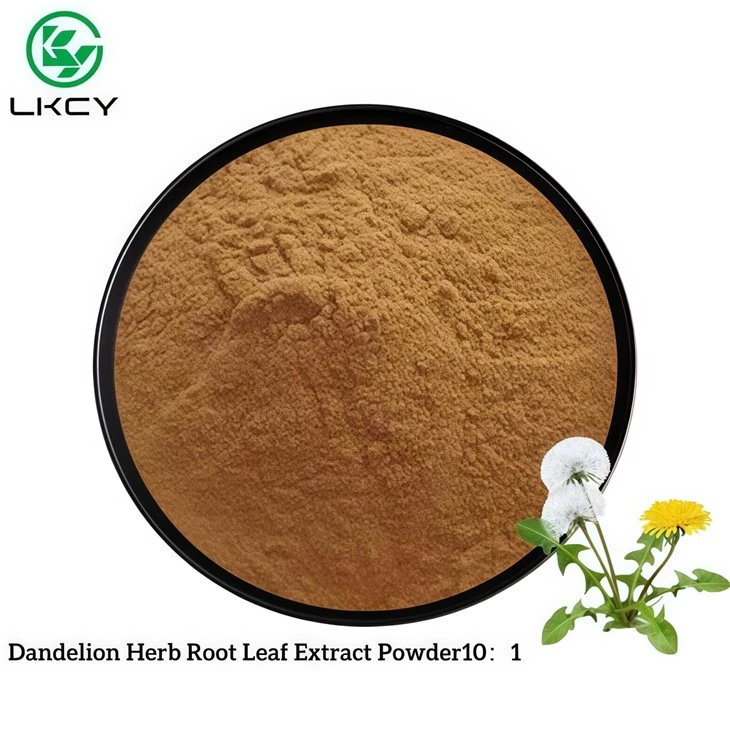
Now, if you're interested in other plant extracts, we also offer some great products like Dandelion Herb Root Leaf Extract Powder, Mulberry Fruit Extract, and Polygonatum Extract. These extracts also have their own unique health benefits and can be a great addition to your health regimen.
If you're a manufacturer looking to incorporate Crocus Sativus Extract into your products, or an individual interested in using it for personal health, I'd love to have a chat with you. We can discuss your specific needs, the quality of our products, and pricing. Don't hesitate to reach out and start a conversation about how we can work together to bring the benefits of Crocus Sativus Extract to you or your customers.
References
- Abolhasani, M., Asgary, S., & Rahimi, R. (2013). Saffron in the treatment of mild to moderate depression: A meta - analysis of randomized clinical trials. Phytotherapy Research, 27(7), 970 - 974.
- Sadeghi - Ahangar, F., Hosseinzadeh, H., & Shabani, M. (2010). Effect of Crocus sativus L. (saffron) on spatial memory in rats. Pharmacological Reports, 62(6), 1067 - 1072.
- Serafini, M., Peluso, I., & D'Archivio, M. (2010). The antioxidant properties of saffron and its phytochemicals. Food Chemistry, 121(4), 971 - 976.


