


Products Description
1-(1-Adamantylcarbonyl) Proline is a high-value-added chiral amino acid derivative fine chemical raw material. Its standard molecular formula is C₁₆H₂₃NO₃, with a molecular weight of 277.36. It belongs to an artificial synthetic high-end fine chemical intermediate. Its appearance is uniform white crystalline powder, with fine and dry powder, no agglomeration, no colored black spots, uniform particle size, and overall no any irritating chemical odor, almost odorless, without rancidity, pungent or other undesirable odors. It will not interfere with the experimental environment or the synthesis formula system with any flavor or impurity. 1-(1-Adamantylcarbonyl) Proline is easily soluble in common research solvents such as anhydrous ethanol, methanol, acetone, DMSO, and DMF. The dispersion speed is fast and the dissolution is thorough; it is slightly soluble in pure water system, belonging to the normal physical and chemical properties of this category. 1-(1-Adamantylcarbonyl) Proline can be stably compatible with the vast majority of alcohols and ketone organic solvents, suitable for various chiral synthesis, catalytic reaction systems; it can be normally compounded with conventional amino acid derivatives, chemical intermediates, and research auxiliary materials, and the compounded system is stable, not prone to stratification, color change, or failure.

Specification
|
Product name |
1-(1-Adamantylcarbonyl) proline |
|
CAS No. |
35084-48-1 |
|
Purity |
99% |
|
Appearance |
White powder |
|
Application |
Chemical |
|
Package |
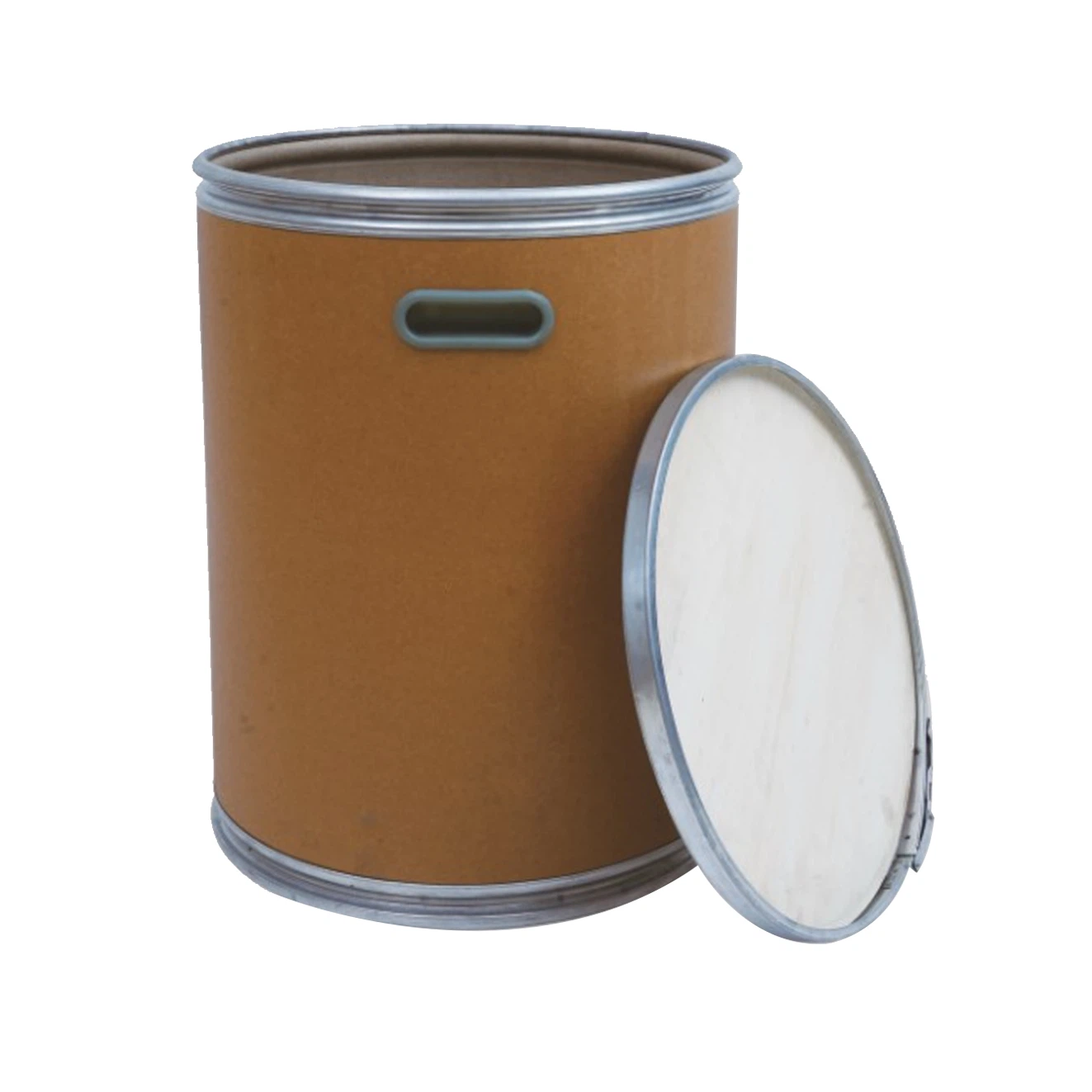
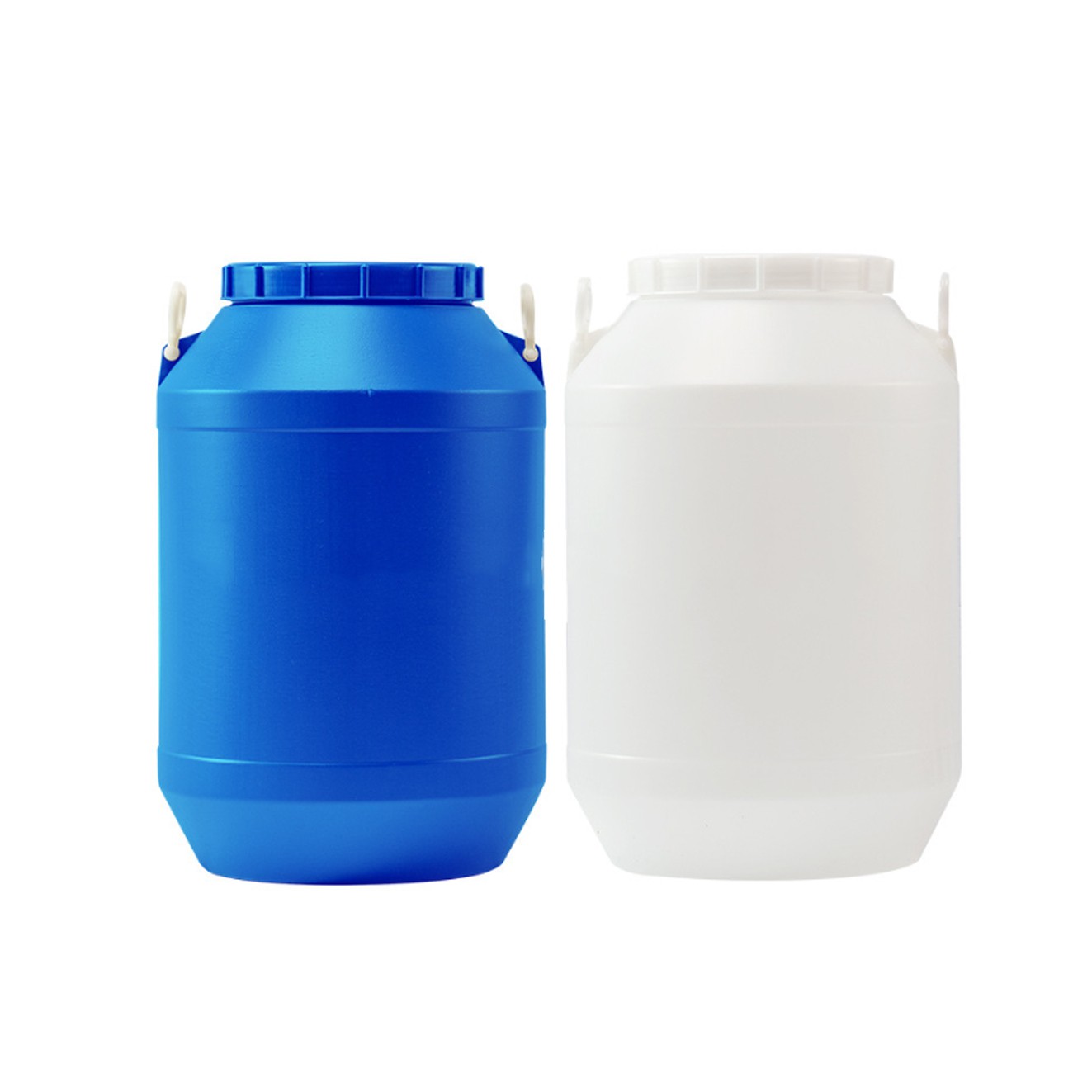
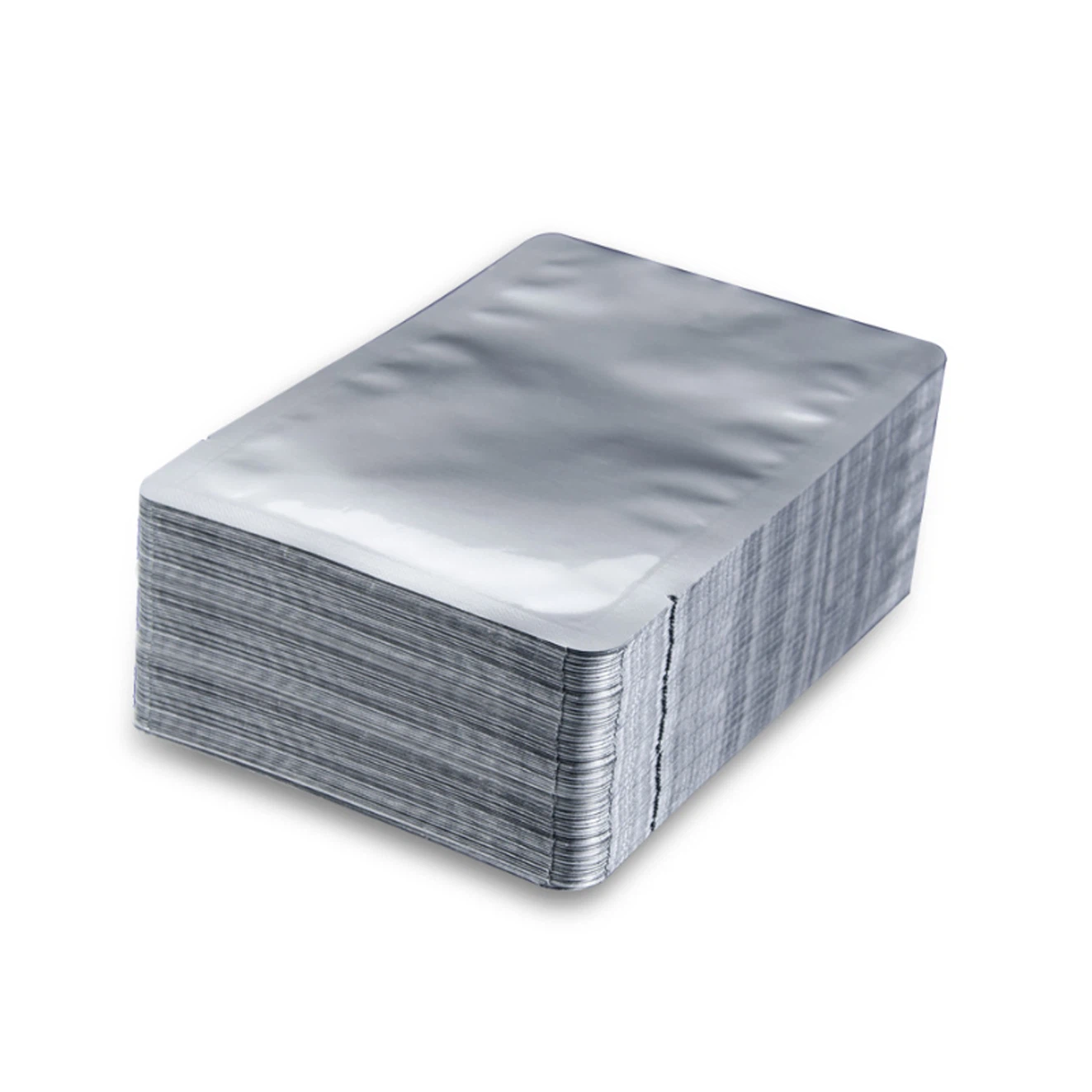
Aluminum Bag or Drum |
|
Storage |
Store in a closed container in a cool and dry place, below 5ºC. |
|
Retest Date |
2 years |
COA
|
Product Name |
1-(1-Adamantylcarbonyl) proline |
CAS No.: 35084-48-1 |
|
Items |
Standard |
Results |
|
Identification |
specific optical rotation |
Qualified |
|
IR |
||
|
Gives reaction of chlorides |
||
|
Solution S |
Meets the requirements |
Qualified |
|
pH:3.0~4.5 |
4.1 |
|
|
-121°~-128° |
-121° |
|
|
Loss on drying |
≤0.5% |
0.1% |
|
Residue on ignition: |
≤0.1% |
0.03% |
|
Related substances |
Each of impurities A,B,C,D ≤0.2% |
A: 0.02%, B: 0.01%, |
|
≤0.1% |
0.01% |
|
|
≤0.3% |
0.10% |
|
|
Heavy metals |
≤0.002% |
<0.002% |
|
Microbial limit |
Bacteria ≤1000 per gram |
Qualified |
|
Mold&yeast ≤100 per gram |
||
|
Escherichia Coli : no |
||
|
Assay |
98% |
98.1% |
|
Storage |
Should be protected from light |
Protected from light |
Function
Its most significant advantage lies in its outstanding chiral induction and catalytic capabilities. In various asymmetric catalytic reactions, it can precisely control the stereospecificity of the reaction, significantly increase the conversion rate and purity of the products, and effectively reduce the probability of generating experimental by-products. Thanks to its special molecular structure, its chemical tolerance is much higher than that of ordinary amino acid derivatives. It has strong antioxidant and anti-decomposition capabilities, and its structure is not easily damaged or inactivated during the reaction process, maintaining stable catalytic activity throughout. At the same time, this raw material has extremely strong compatibility, and the compound formulation is stable. It will not easily experience problems such as stratification, color change, or failure, and can be adapted to various complex organic solvents and auxiliary material systems. The overall performance is stable, the experimental repeatability is high, and it can effectively reduce research errors and significantly increase the experimental success rate of organic synthesis and the development of drug intermediates.
Application
As a high-purity research-grade fine chemical intermediate, it is only applicable for industrial formula development and laboratory research scenarios. It is widely supplied to global university laboratories, biopharmaceutical research enterprises, and fine chemical synthesis factories.
In organic chemical research, it is mainly used for asymmetric catalytic reactions, chiral synthesis, and the construction of fine intermediates. It is often used for the preparation and optimization of various complex chiral compounds and is a commonly used core material in chiral chemistry research.
In the field of biopharmaceutical research, ACA is often used in the synthesis of new drug intermediates, the preliminary research and development trials of neuroactive drugs, and anti-inflammatory drugs. With its stable catalytic performance, it helps pharmaceutical companies optimize synthesis processes and improve product purity.
Shipment



Payment


Package
Hot Tags: 1-(1-adamantylcarbonyl) proline, China 1-(1-adamantylcarbonyl) proline manufacturers, suppliers, factory


